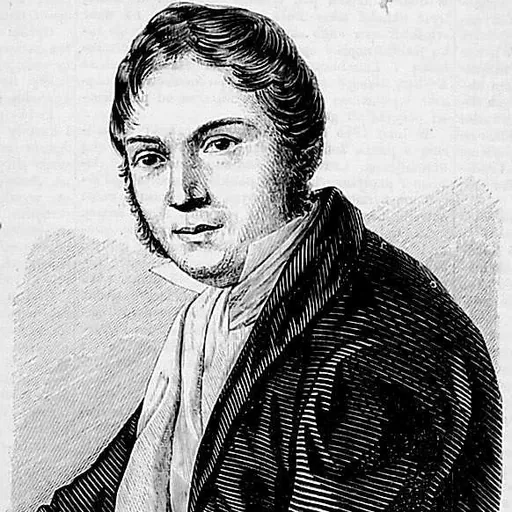
About Karol Kurpiński
Lived 1785 – 1857 (aged 72). Karol Kurpiński was a Polish composer, conductor, musicologist, music educator, violinist and chapelmaster.
Karol Kazimierz Kurpiński (March 5, 1785 – September 18, 1857) was a Polish composer, conductor and pedagogue. He was a representative of late classicism and early romanticism as well as being a member of the Warsaw Society of Friends of Learning (Polish: Towarzystwo Warszawskie Przyjaciół Nauk, TWPN). He is also known for having composed the music to the 1831 patriotic song La Varsovienne with lyrics by Casimir Delavigne. He was also a mentor and an influence on young Chopin.
Early life Karol Kurpiński was born in Włoszakowice, Greater Poland, shortly before his baptism on 6 March 1785, probably 4 or 5 March. He was the sixth child Marcin Kurpiński (né Kurp), organist at the Church of the Holy Trinity in Włoszakowice, and Franciszka née Wańska, the daughter of the village sołtys and member of a prominent musical family in Poland. Marcin changed his ethnic family name Kurp to the noble-sounding Kurpiński around 1768.
In 1800, Karol's maternal uncles Roch and Jan Wański—a professional cellist and a popular composer, respectively—arranged for him to travel to Moszków (now Huta, Ukraine), where Roch held a position in an orchestra under the supervision of starost Feliks Polanowski. The young Kurpiński played second violin in the orchestra and remained there until 1808 to continue his musical education. Roch Wański, though only five years Karol's senior, became a father figure for him during these years, and Polanowski often took him to opera productions in Lviv, about 90 kilometers to the north.
In 1829, together with Józef Elsner he was ordered by the authorities to write music for the coronation of Nicolas I of Russia for King of Poland. For this occasion Kurpiński composed Te deum. The work wasn't performed again until 2011.
Kurpiński was a romanticist and one of the most revered Polish composers before Chopin, whom he met in 1828. He helped to lay the foundations of a national style and prepared the ground for Polish music of the Romantic period, particularly Chopin. He contributed to the development of Polish opera, introducing new musical devices and achieving a novel mode of expression.
He died on September 18, 1857, in Warsaw, aged 72.
Works, editions and recordings
Stage works Pygmalion, opera (c. 1800–08) (lost) The Palace of Lucifer, opera in 4 acts (1811) Mistress Marcin of the Harem, comic opera in 3 acts (1812) The Charlatan, or The Raising of the Dead, opera in 2 acts (1814) Jadwiga, Queen of Poland, opera in 3 acts (1814) The Reward, or the Revival of the Polish Kingdom, melodrama in 2 acts (1815) Superstition, or Krakovians and Mountaineers, or The new Krakovians, opera in 3 acts (1816) Jan Kochanowski at Czarny Las, opera comique in 2 acts (1817) Czaromysl the Slav Prince, opera in 1 act (1818) Terpsichore's New Colony on the Vistula, ballet (1818) The Castle of Czorsztyn, or Bojomir and Wanda, opera in 2 acts (1819) Libretto: Józef Wawrzyniec Krasiński z Radziejowic (recording by Polska Orkiestra Sinfonia Iuventus – conducted Michał Niedziałek, with soloists Aleksandra Orłowska-Jabłońska, Hubert Stolarski, Jadwiga Niebelska, Tomasz Raff, Witold Żołądkiewicz Dux Records) Kalmora, or The Paternal Right of the Americans, melodrama in 2 acts (1820) libretto by Kazimierz Brodziński Mars and Flora, ballet in 1 act (1820) The Foresters of Kozienice, opera in 1 act (1821) The Three Graces, ballet (1822) Cecylia Piaseczynska, opera in 2 acts (1829)
Orchestral works Grand Symphony Imagining a Battle, or The Battle of Mozhaysk Op. 15. Grand Fugue on the Song "Poland has not perished yet", arranged for piano (1821) Potpourri, or Variations on National Themes, for piano and orchestra (1822) Clarinet Concerto in B-flat major, arranged for clarinet and piano (1950)
Chamber music Fantaisie en quatuor Trio, for clarinet, violin and cello Reverie over Wanda's tomb, for violin and piano (1820) Nocturne, for horn, bassoon and viola, Op. 16 (1823) Paysage Musical, for horn and bassoon, Op. 18 (1823) Cavatina, for trumpet or trombone and piano (1953)
Piano music A Dreadful Dream (1820) Le reveil de J.J. Rousseau au printemps (1821) Nine variations (1821) Fantaisie for alto (1821) Fantaisie, Op. 10 (1823) Six Variations (1823)
Vocal works
Sacred Six Masses, including "Country Mass" (1821) Oratorio, for 4 voices, 2 trumpets, 2 trombones, double bass, timpani and organ, Te deum laudamus (1829).
Cantata Cantata on the Anniversary of Napoleon's Coronation (1810) Elegy on the Death of Tadeusz Kosciuszko (1819) Cantata on the Unveiling of the Copernicus Monument (1830)
Songs The Song of Warsaw (1831) The Song of the Lithuanian Legionaries (1831)
Don’t just read it —
keep it.
Full-length biographies made to live with: read them, listen on the way to work, watch them tonight.
- E-book
- Audio
- Video
Instant download · yours to keep · every purchase keeps this site free
Important facts
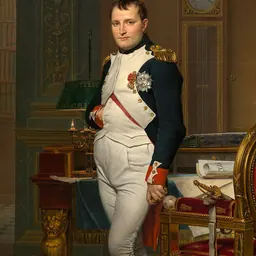
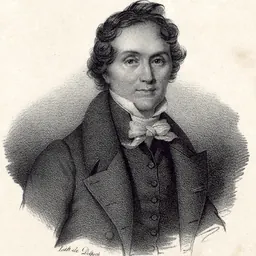
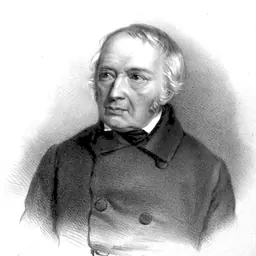
People in Karol Kurpiński's life
Named in this biography and alive at the same time
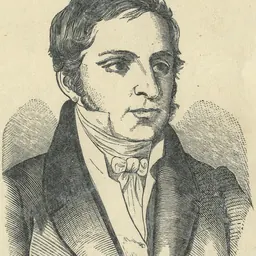
Related people
Same field, nearest in time



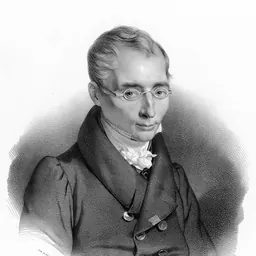

Contemporaries
People whose lives overlapped Karol Kurpiński's
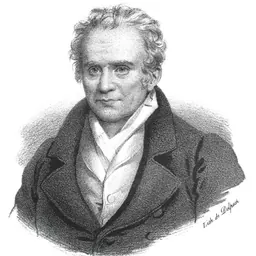
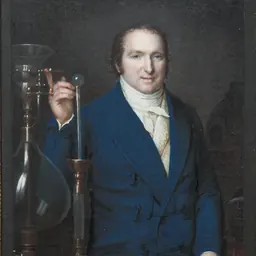
Frequently asked questions
Who was Karol Kurpiński?
Polish composer and conductor (1785-1857)
When was Karol Kurpiński born?
Karol Kurpiński was born on 6 March 1785 in Włoszakowice.
When did Karol Kurpiński die?
Karol Kurpiński died on 18 September 1857 in Warsaw.
What was Karol Kurpiński's occupation?
Karol Kurpiński was a composer, conductor, musicologist, music educator, violinist and chapelmaster.
What nationality was Karol Kurpiński?
Karol Kurpiński was Polish.
Sources & further reading
Cite this page
APA: Biography.guide. (2026). Karol Kurpiński. https://biography.guide/karol-kurpinski/
MLA: "Karol Kurpiński." Biography.guide, https://biography.guide/karol-kurpinski/.
Chicago: "Karol Kurpiński." Biography.guide. https://biography.guide/karol-kurpinski/.
Data last updated: 2026-09-22 · Spot an error? Report a correction.
Portrait: Wikimedia Commons · author & licence
Page generated 2026-09-27 05:03 UTC