
About Kamal Bose
Lived 1915 – 1995 (aged 79). Kamal Bose was a cinematographer and director of photography.
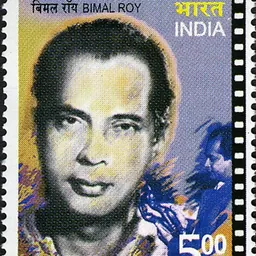
Kamal Bose (1915–1995) was an Indian cinematographer, who shot most of Bimal Roy classics, including Parineeta, Do Bigha Zamin (1953), Bandini (1963), Devdas (1955) and Sujata (1960). He successfully transitioned into the coloured film era, and shot Qurbani (1980), Janbaaz (1986) and Dayavan (1988).
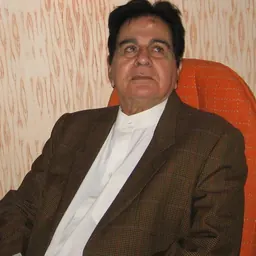
During his career, he won the Filmfare Award for Best Cinematographer record five times, Thereafter Bose collaborated with Roy in all his subsequent films, Parineeta (1953, The Fiancee), adaptation of Sharat Chandra Chattopadhyay novel by the same name, in same year came the neo-realism classic, Do Bigha Zamin (1953), which not only won the Filmfare Best Movie Award but also became the first Indian film to win the International Prize at the Cannes Film Festival. Their association continued with Naukri (1954), Baap Beti (1954), Devdas (1955), Amaanat (1955), Sujata (1960), Parakh (1960) and Bandini (1963), which won Bose his first Filmfare Award was especially noted for his masterly use of black and white, to bring "texture and form in simplicity mixed with richness", especially in the way he captured the starkness and gloom of the prison environment, while depicting women at work. Previously, his lighting in film, Devdas (1955) was also noted as it enhanced the emotional torment of the tight-lipped protagonist, played by Dilip Kumar.
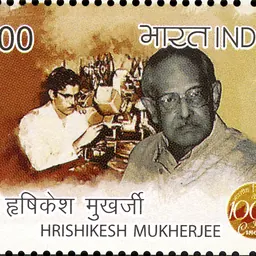
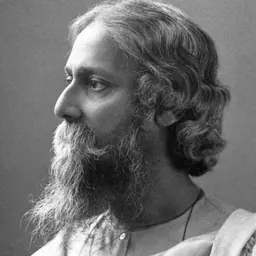
Meanwhile, he also shot, Musafir (1957, Traveller), directorial debut of Bimal Roy's editor and assistant Hrishikesh Mukherjee, the film is still remembered for its panoramic shots; and Kabuliwala (1961) Hemen Gupta's adaptation of Rabindranath Tagore story, by the same name, starring Balraj Sahni, and produced by Bimal Roy.
Roy died in 1966, thereafter Bose started working with Asit Sen, and went on to receive critical acclaim for his B & W cinematography in Apradhi Kaun? (1957), his one-night tragedy, Anokhi Raat (1968, Strange Night) and the psychiatric ward tragedy, Khamoshi (1969, Silence), starring Rajesh Khanna and Waheeda Rehman, and Safar (1970, Journey) marked his transition in to colour films. The first two films, also won him his second and third Filmfare Awards. Though Bose continued to work with Sen for another decade, none of the films achieved the commercial success of those early films.
His next important collaboration was with actor-director Feroze Khan, which began with latter's debut the action-thriller Apradh (1972), thereafter he shot all of Khan's subsequent directorial ventures, including his next Dharmatma (1975). Shot in Afghanistan, the film was noted for its scenes featuring Buzkashi, a Central Asian sport on horses, including the aerial shots, which in turn won him another Filmfare award. In the 1980s, he shot, the highly glamorous, Qurbani (1980),
He died on 9 October 1995, at the age of 80. His son, Palash Bose is a commercial photographer based in Mumbai.
Filmography Anjangarh (1948) Mantramugdha (1949) Parineeta (1953) Pardesi (1953) Naukri (1954) Baap Beti (1954) Do Bigha Zamin (1953) Devdas (1955) Amaanat (1955) Musafir (1957) Apradhi Kaun? (1957) Sujata (1960) Parakh (1960) Kabuliwala (1961) Bandini (1963) Ezhu Rathrikal (1968, Malayalam) Anokhi Raat (1968) Khamoshi (1969) Safar (1970) My Love (1970) Dastak (1970) Apradh (1972) Annadata (1972) Dharmatma (1975) Bairaag (1976) Qurbani (1980) Vakil Babu (1982) Janbaaz (1986) Dayavan (1988) Chauraha (1994)
Awards
Filmfare Award Best Cinematographer 1964: Bandini (B&W) 1970: Anokhi Raat (B&W) 1971: Khamoshi (B&W) 1972: Dastak (B&W) 1976: Dharmatma
Don’t just read it —
keep it.
Full-length biographies made to live with: read them, listen on the way to work, watch them tonight.
- E-book
- Audio
- Video
Instant download · yours to keep · every purchase keeps this site free
Important facts
People in Kamal Bose's life
Named in this biography and alive at the same time


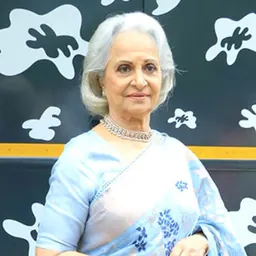

Related people
Same field, nearest in time




Contemporaries
People whose lives overlapped Kamal Bose's

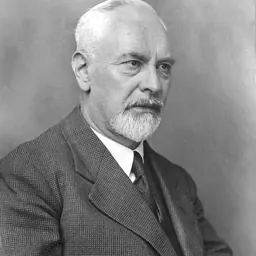


Frequently asked questions
Who was Kamal Bose?
Indian cinematographer
When was Kamal Bose born?
Kamal Bose was born on 11 November 1915 in Kolkata.
When did Kamal Bose die?
Kamal Bose died on 9 October 1995.
What was Kamal Bose's occupation?
Kamal Bose was a cinematographer and director of photography.
Sources & further reading
Cite this page
APA: Biography.guide. (2026). Kamal Bose. https://biography.guide/kamal-bose/
MLA: "Kamal Bose." Biography.guide, https://biography.guide/kamal-bose/.
Chicago: "Kamal Bose." Biography.guide. https://biography.guide/kamal-bose/.
Data last updated: 2026-09-22 · Spot an error? Report a correction.
Page generated 2026-09-27 05:32 UTC