
Władysław Witwicki
Polish psychologist, philosopher, translator historian (of philosophy and art), and artist
About Władysław Witwicki
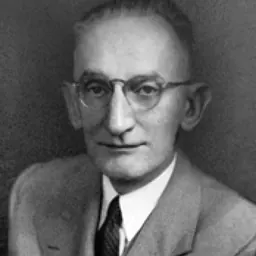
Lived 1878 – 1948 (aged 69–70). Władysław Witwicki was a Polish psychologist, translator, philosopher, artist and art historian.
Władysław Witwicki (; 30 April 1878, Lubaczów – 21 December 1948, Konstancin) was a Polish psychologist, philosopher, translator (mainly of Plato's works into Polish), historian (of philosophy and art) and artist. He is seen as one of the fathers of psychology in Poland.
Witwicki was also the creator of the theory of , theory of feelings, and he dealt with the issues of the psychology of religion, and the creation of secular ethics. He was one of the initiators and co-founders of Polish Philosophical Society. He is one of the thinkers associated with the Lwów–Warsaw school.
Background Władysław Witwicki was the fifth child of Urszula Witwicka, born Woińska (niece of the Metropolitan Archbishop of the Roman Catholic Archdiocese of Lviv, Łukasz Baraniecki), and Ludwik–Filip Wasylkowicz Witwicki, as well as father of Janusz Witwicki, the creators of the Plastic Panorama of Old Lviv.
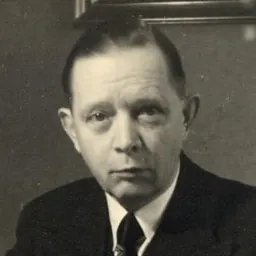
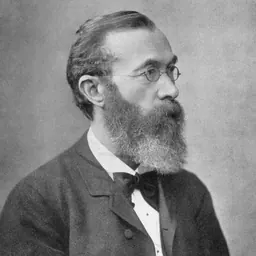
He graduated from the University of Lviv (1900), was a student of Kazimierz Twardowski. In 1901–1902 he studied at the University of Vienna (under the direction of Alois Höfler) and at the Leipzig University (under the direction of Wilhelm Wundt). Then Witwicki taught in Lviv gymnasiums (1902–1918), lectured at the University of Lviv (1907–1918), and became a professor at the University of Warsaw (1919–1948).
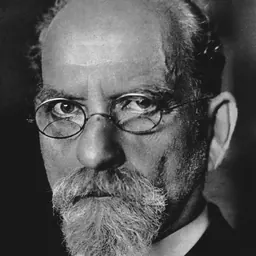
Works Witwicki is the author of the first Polish textbooks on psychology. He also collaborated with other philosophers. For instance, he worked with Bronisław Bandrowski to develop a model of psychology based on Franz Brentano's theory on phenomenology. It included an analysis of Edmund Husserl's Theory of Content and the Phenomenon of Thinking.
In the comments to his own translation of the Gospels of Matthew and Mark – Dobra Nowina według Mateusza i Marka – Witwicki challenges the mental health of Jesus. He attributed to Jesus subjectivism, increased sense of his own power and superiority over others, egocentrism and the tendency to subjugate other people, as well as difficulties communicating with the outside world and multiple personality disorder, which made him a schizothymic or even schizophrenic type (according to the Ernst Kretschmer's typology).
Artistic activities
Witwicki illustrated books (including his own translations), created watercolors, etchings, woodcuts, bookplates. He designed magazine covers, cast plaster busts, sculpted, reviewed exhibitions, presented artists' profiles. He helped his son Janusz create the Plastic Panorama of Old Lviv. He lectured and wrote articles about art, and authored textbooks for visual artists: Wiadomości o stylach (About Styles); O widzeniu przedmiotów: Zasady perspektywy (Seeing Objects: Principles of Perspective); Anatomia plastyczna (Plastic Anatomy).
Selected publications Translations of Plato's dialogues Psychologia do użytku słuchaczów wyższych szkół naukowych, vol. 1–2 (1925–1927) Wiadomości o stylach (1934) Wiara oświeconych, 1959 (fr.: La foi des éclairés, 1939) Przechadzki ateńskie (a series of radio programs, 1939, issued in 1947) Translations of the Gospel of Matthew and the Gospel of Mark with psychological analysis: Dobra Nowina według Mateusza i Marka (The Good News according to Matthew and Mark); written in 1942, issued in 1958
Don’t just read it —
keep it.
Full-length biographies made to live with: read them, listen on the way to work, watch them tonight.
- E-book
- Audio
- Video
Instant download · yours to keep · every purchase keeps this site free
Important facts
People in Władysław Witwicki's life
Named in this biography and alive at the same time





Related people
Same field, nearest in time


Contemporaries
People whose lives overlapped Władysław Witwicki's


Frequently asked questions
Who was Władysław Witwicki?
Polish psychologist, philosopher, translator historian (of philosophy and art), and artist
When was Władysław Witwicki born?
Władysław Witwicki was born in 1878 in Lubaczów.
When did Władysław Witwicki die?
Władysław Witwicki died in 1948 in Konstancin-Jeziorna.
What was Władysław Witwicki's occupation?
Władysław Witwicki was a psychologist, translator, philosopher, artist and art historian.
What nationality was Władysław Witwicki?
Władysław Witwicki was Polish.
Sources & further reading
· Wikipedia: Władysław Witwicki
Cite this page
APA: Biography.guide. (2026). Władysław Witwicki. https://biography.guide/wladyslaw-witwicki/
MLA: "Władysław Witwicki." Biography.guide, https://biography.guide/wladyslaw-witwicki/.
Chicago: "Władysław Witwicki." Biography.guide. https://biography.guide/wladyslaw-witwicki/.
Data last updated: 2026-09-20 · Spot an error? Report a correction.
Page generated 2026-09-27 05:32 UTC