
About Syama Sastri
Lived 1762 – 1827 (aged 64–65). Syama Sastri was a composer, poet and musician.
Syama Sastri (Tamil: ஷ்யாமா சாஸ்திரி; ; 26 April 1762 – 1827) or Shyama Shastri was a musician and composer of Carnatic music. He was the oldest among the Trinity of Carnatic music, Tyagaraja and Muthuswami Dikshitar being the other two.
Early life and career Syama Sastri, whose birth name was Venkata Subrahmanya Iyer, was born on 26 April 1762 in a Tamil speaking Smartha Vadama Brahmin family to Visvanatha Iyer and Vengalakshmi. He was also known as one of the trinity of carnatic music. To later generations, he is better known by his adopted name Syama Sastri or by his musical mudra (signature) Syama Krishna. He was born in Tiruvarur, in what is now the state of Tamil Nadu. He received his instruction in the vedas, astrology, and other traditional subjects early on and learned music from his maternal uncle. He was later trained in music by Adiappayya, a noted durbar musician of Thanjavur.
Although Śyāma Śastri did not compose as many kritis as his two prolific contemporaries, his compositions are still well known due to the literary, melodic and rhythmic proficiency observed in them. It is said that he composed about three hundred pieces in all.
He did not have many disciples to propagate his compositions, nor was the printing press widely accessible during his time. More importantly, the scholarly nature of his compositions made them more appealing to the learned than to the lay. Additionally, they feature a more formal form of Telugu which borrows heavily from Sanskrit. In contrast, Tyagaraja composes in generally more colloquial dialect of Telugu.
There are also a number of krithis in Tamil attributed to him. Most of his compositions propitiate the Goddess Kamakshi.
He composed kritis, varṇa(s) and svarajati(s) with the ankita or mudra (signature) Śyāma Krishna. He was probably the first to compose in a new form of the svarajati musical genre, where the compositions could be rendered solely in a singing or instrumental manner. Prior to this, the svarajati was primarily a dance form, and was close in structure to the dance Varṇaṃ (padavarṇaṃ).
His set of three famous svarajati(s) are intended to be sung in concert rather than danced, and are sometimes referred to as "Ratnatrayam" (Three jewels). They are Kāmākṣhī Anudinamu, Kāmākṣhī Padayugamē, and Rāvē himagiri kumāri, composed in the ragas Bhairavi, Yadukula kambhoji and Todi respectively. The former two are set to Miśra Cāpu Tāḷa, while the third is set to Ādi Tāḷa.
He is known for his ability to compose in the most complex of tāḷas.
Legacy
Sastri had a number of disciples who excelled at the art. Alasur Krishna Iyer became a musician at the royal durbar in Mysore. Porambur Krishna Iyer popularised many of his guru's works. Another disciple, Tarangambadi Panchanada Iyer also made his mark as a composer. Another disciple named Dasari gained fame as a noted nāgaswaram player. His son, named Subbaraya Sastri, was also a notable composer.
Compositions
Some of his better known compositions are listed below.
Svara Jati Composition Raga Tāḷa Language Description Kāmākṣhī anudinamu maruvakanē కామాక్షీ అనుదినము మరువకనే Bhairavi Miśra Cāpu Telugu Kāmākṣhī nī padayugame sthiramaninē Yadukulakamboji Miśra Cāpu Telugu Rāvē himagiri kumāri రావే హిమగిరి కుమారీ Todi Ādi Telugu
Kriti Composition Raga Tāḷa Language Description Śaṅkari Śaṃkuru candra mukhī Sanskrit: शङ्करि शंकुरु चन्द्र मुखी Telugu Script: శఙ్కరి శంకురు చన్ద్ర ముఖీ Sāvēri Ādi – Tiśra Gati Sanskrit pAlayAshu mAM paradEvatE Arabhi Triputa Sanskrit kanaka śaila vihāriṇī Sanskrit: कनक शैल विहारिणी Telugu Script: కనక శైల విహారిణీ Punnāga Varāḷi Ādi Sanskrit Birāna varālicci brōvaveబిరాన వరాలిచ్చి బ్రోవవె Kaḷyāṇi Ādi – Tiśra Gati Telugu Dēvī brōva samayamide దేవీ బ్రోవ సమయము Cintāmaṇi Adi Telugu kAmAkSi lOka sAkSiNi madhyamAvati Triputa Sanskrit Himādri sutē pāhimāṃ హిమాద్రి సుతే పాహిమాం Kaḷyāṇi Ādi Sanskrit Māyammā yani nē pilacite మాయమ్మా యని నే పిలచితె Ahiri Ādi Telugu Mari vērē gati evvarammā మరి వేరే గతి ఎవరమ్మా Anandabhairavi Miśra Cāpu Telugu Nannu brōvu lalitā నన్ను బ్రోవు లలితా Lalita Miśra Cāpu Telugu O jagadambā nannu ఓ జగదమ్బా నన్ను Anandabhairavi Ādi Telugu Pārvati ninu nē nera nammiti పార్వతీ నిను నే నెర నమ్మితి kalkaḍa Tishra Adi Telugu Sarōja daḷa nētri himagiri putrī సరోజ దళ నేత్రి హిమగిరి పుత్రీ śaṃkarābharaṇaṃ Ādi Telugu Tallī ninnu nera namminānu vinavē తల్లీ నిన్ను నెర నమ్మినాను వినవే Kaḷyāṇi Miśra Cāpu Telugu Pāhi Srī Girirājasutē Karuṇākalitē Anandabhairavī Rūpakaṃ Telugu-Sanskrit Devī Mīna Nētrī Brōva Shankarabharanam Adi Telugu Ennēramum un Nāmam என்னேரமும் உன் நாமம் Pūrvikalyāni Misra caapu Tamil Kamakshi Bangaru కామాక్షి బంగారు Varali Misra caapu Telugu Ennēramum un Pāda Kamalam என்னேரமும் உன் பாத கமலம் Punnāgavarāḷi Miśra Cāpu Tamil Sari Evaramma Bhairavi Khanda Jhampa Telugu Parvathi Janani-Geetham Bhairavi Khanda Matya Telugu Tarunam Idamma Gowlipantu Adi Tamil Ninu vina marigalada Reeti Gowlai Rupakam Telugu
Don’t just read it —
keep it.
Full-length biographies made to live with: read them, listen on the way to work, watch them tonight.
- E-book
- Audio
- Video
Instant download · yours to keep · every purchase keeps this site free
Important facts
People in Syama Sastri's life
Named in this biography and alive at the same time
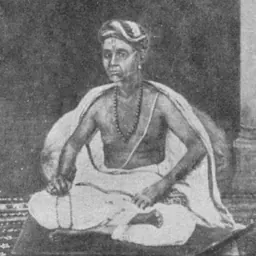
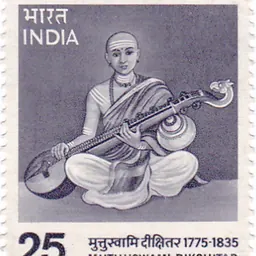

Related people
Same field, nearest in time

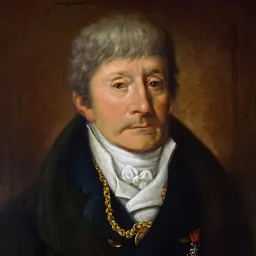


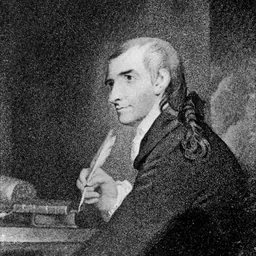
Contemporaries
People whose lives overlapped Syama Sastri's





Frequently asked questions
Who was Syama Sastri?
Indian musician
When was Syama Sastri born?
Syama Sastri was born in 1762 in Thiruvarur.
When did Syama Sastri die?
Syama Sastri died in 1827.
What was Syama Sastri's occupation?
Syama Sastri was a composer, poet and musician.
Sources & further reading
Cite this page
APA: Biography.guide. (2026). Syama Sastri. https://biography.guide/syama-sastri/
MLA: "Syama Sastri." Biography.guide, https://biography.guide/syama-sastri/.
Chicago: "Syama Sastri." Biography.guide. https://biography.guide/syama-sastri/.
Data last updated: 2026-09-20 · Spot an error? Report a correction.
Page generated 2026-09-27 05:25 UTC