
About Maxine Singer
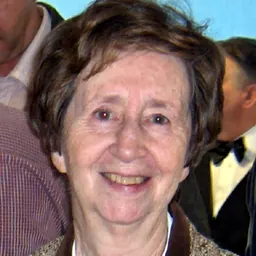
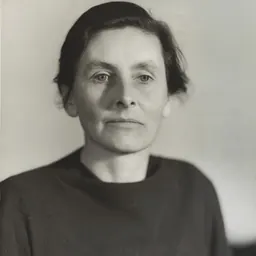
Lived 1931 – 2024 (aged 93). Maxine Singer was an American biochemist, molecular biologist, chemist and biologist, known for Recombinant DNA.
Early life and education Maxine Frank was born in New York City to Henrietta and Hyman Frank.
After attending Midwood High School in Brooklyn, she majored in chemistry and minored in biology at Swarthmore College. She went on to earn a PhD in 1957 at Yale University, researching protein chemistry under Joseph Fruton. She led various biochemical research groups as the Chief of the Laboratory of Biochemistry at the National Cancer institute between 1980 and 1987. and she helped to organize the 1975 Asilomar Conference on Recombinant DNA that resulted in guidelines for dealing with the largely unknown risks of the technique. In 1988, she became president of the Carnegie Institution of Washington, a position she held until 2002. She was elected to the American Philosophical Society in 1990. Singer received the National Medal of Science in 1992 "for her outstanding scientific accomplishments and her deep concern for the societal responsibility of the scientist" and was the first woman to receive the Vannevar Bush Award, in 1999. In 2007, she was awarded the Public Welfare Medal from the National Academy of Sciences.
Research contributions Singer made important contributions to the fields of biochemistry and molecular biology. They studied polynucleotide phosphorylase, an enzyme that can join individual nucleotides into random RNA sequences. They investigated the base compositions of these polynucleotides using electrophoresis and paper chromatography, which enabled them to understand how the enzyme catalyzed their synthesis. She studied the mechanism of how LINE-1 replicates and disperses copies to new locations in the genome, and found that the insertion of these elements could induce mutations in nearby genes, playing a role in genetic disease. She organized the 1975 Asilomar conference in order to bring together scientists to impose restrictions and draw guidelines on recombinant DNA research, where she recommended resumption of research under cautious safeguards until more was known about the potential biohazards of recombinant DNA technology.
Singer was also an advocate for women and inclusivity in science. She wrote an editorial in Science arguing that universities should encourage women pursuing science and engineering rather than wasting their skills due to unintentional bias against them. Singer also introduced the "First Light" project, a science education program for elementary school students in Washington, D.C. aiming to improve mathematics and science education in schools.
Personal life Maxine married Daniel Singer, a Swarthmore classmate and political science major, in 1952.
Don’t just read it —
keep it.
Full-length biographies made to live with: read them, listen on the way to work, watch them tonight.
- E-book
- Audio
- Video
Instant download · yours to keep · every purchase keeps this site free
Important facts
People in Maxine Singer's life
Named in this biography and alive at the same time
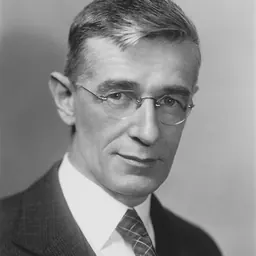


Related people
Same field, nearest in time





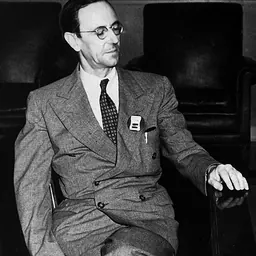
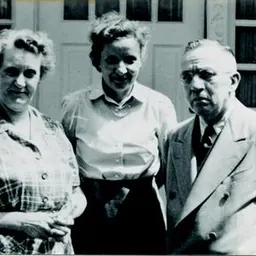
Contemporaries
People whose lives overlapped Maxine Singer's


Frequently asked questions
Who was Maxine Singer?
American molecular biologist (1931–2024)
When was Maxine Singer born?
Maxine Singer was born on 15 February 1931 in Brooklyn.
When did Maxine Singer die?
Maxine Singer died on 9 July 2024 in Washington, D.C..
What was Maxine Singer's occupation?
Maxine Singer was a biochemist, molecular biologist, chemist and biologist.
What was Maxine Singer known for?
Maxine Singer was known for Recombinant DNA.
What nationality was Maxine Singer?
Maxine Singer was American.
Sources & further reading
Cite this page
APA: Biography.guide. (2026). Maxine Singer. https://biography.guide/maxine-singer/
MLA: "Maxine Singer." Biography.guide, https://biography.guide/maxine-singer/.
Chicago: "Maxine Singer." Biography.guide. https://biography.guide/maxine-singer/.
Data last updated: 2026-09-20 · Spot an error? Report a correction.
Page generated 2026-09-27 05:29 UTC