
About Lintong Mulia Sitorus
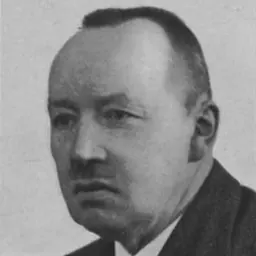
Born 1920. Lintong Mulia Sitorus is an Indonesian politician and writer.
Lintong Mulia Sitorus (born 1920), in pre-1948 spelling Lintong Moelia Sitoroes, was an Indonesian intellectual, writer, translator, lawyer, and Socialist Party of Indonesia politician. He was a key follower of the independent-minded Indonesian nationalist Sutan Sjahrir in the 1940s and 1950s.
Biography Early life Sitorus was of Batak background and was born in Tapanuli or possibly in Pematangsiantar in Sumatra in 1920. He later admitted that during that time he had a very pro-Dutch orientation. He was a member of the radical student association (Association of Indonesian students, PPPI), as was Simatupang, as well as the apolitical (USI).
Japanese occupation and Indonesian National Revolution During the Japanese occupation of the Dutch East Indies, having recently graduated from law school, Sitorus got a low-level position in the Ministry of Justice along with his former schoolmates Ali Boediardjo and Andi Zainal Abidin. Sitorus rented a house with Simatupang and Hutapea in the Tanah Tinggi district of Batavia. The three read widely during that period and regularly attended Sjahrir lectures; other Batak youth nicknamed them (the three musketeers).
As the Japanese occupation ended and Java was occupied by Allied Forces, Sitorus wrote for Sjahrir's new Dutch-language literary magazine (The Insight) along with such figures as Chairil Anwar, Noegroho and Soedjatmoko. He also became an organizing secretary for Amir Sjarifuddin Harahap's Socialist Party and was involved in the founding of the Indonesian Peasants' League .
Independent Indonesia After Indonesia gained its independence in 1948, Sitorus became a key member of Sjahrir's Socialist Party of Indonesia , a small political party that nonetheless had a wide influence in the country. Sjahrir's PSI split in 1948 from Sjarifuddin's Socialist Party after its leader had shown an increasing loyalty to the USSR and Communist-style class struggle, whereas Sjahrir hoped for a more nationalistic, Indonesia-focused platform. However, until 1949 the party was not fully organized or active as Sjahrir had been detained by the Dutch. In 1950 Sjahrir appointed Sitorus to the party's executive and tasked him with helping to prepare the party's constitution. He also worked hard at writing articles, books, and translating. He continued to read widely and often argued for learning lessons from history to be realistic about the possibilities of social change. At that time comparatively little advanced reading material was available in Indonesian; the publishing house funded a large number of translations in the early 1950s including some by Sitorus; he translated several political science and socialist books from Dutch and English into Indonesian. He also wrote history books about the genesis of the Indonesian national movement in the pre-Independence years.
At the Socialist Party's first conference in 1952, Sitorus was elected to its executive council. Later that year he became the party's General Secretary. He saw himself as more of an organizer than an academic theorist and believed in a populist approach to the party. Before and especially after the 1955 election he was in favour of the PSI working more closely with President Sukarno; Sjahrir preferred that the party keep its distance. The party sent delegates to the second Asian Socialist Conference in Bombay in 1956; Sitorus and Sjahrir attended, as did fellow PSI members Soebadio Sastroatomo and Soedjatmoko. As time went on, the party did not grow closer to Sukarno and was eventually banned by him in 1960 during the Guided Democracy period.
Selected works Original works (History of the Indonesian national movement, 1951) (Organizational problems, 1954) (History of Indonesian movement and independence)
Translations (1951, translation of English-language book by J. B. Bury) (1952, translation of Dutch-language book by J. Barents) (1952, translation of Dutch-language book by Willem Adriaan Bonger) (1953, translation of Dutch-language book by J. Barents) (1966, translation of English-language book by George Henry Soule Jr.)
Don’t just read it —
keep it.
Full-length biographies made to live with: read them, listen on the way to work, watch them tonight.
- E-book
- Audio
- Video
Instant download · yours to keep · every purchase keeps this site free
Important facts
People in Lintong Mulia Sitorus's life
Named in this biography and alive at the same time
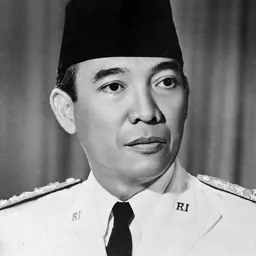

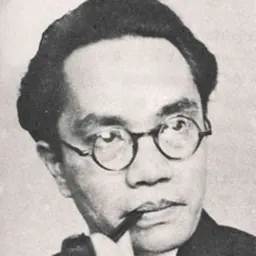

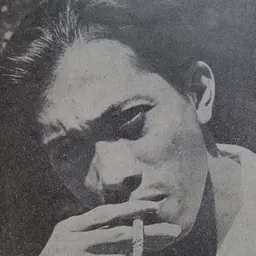
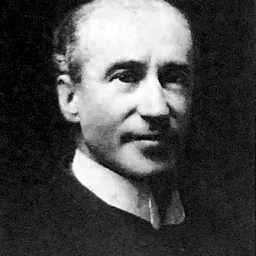

Related people
Same field, nearest in time




Contemporaries
People whose lives overlapped Lintong Mulia Sitorus's





Frequently asked questions
Who is Lintong Mulia Sitorus?
Indonesian writer and politician
When was Lintong Mulia Sitorus born?
Lintong Mulia Sitorus was born in 1920.
What is Lintong Mulia Sitorus's occupation?
Lintong Mulia Sitorus is a politician and writer.
What nationality is Lintong Mulia Sitorus?
Lintong Mulia Sitorus is Indonesian.
Sources & further reading
· Wikipedia: Lintong Mulia Sitorus
· DBpedia: Lintong Mulia Sitorus
Cite this page
APA: Biography.guide. (2026). Lintong Mulia Sitorus. https://biography.guide/lintong-mulia-sitorus/
MLA: "Lintong Mulia Sitorus." Biography.guide, https://biography.guide/lintong-mulia-sitorus/.
Chicago: "Lintong Mulia Sitorus." Biography.guide. https://biography.guide/lintong-mulia-sitorus/.
Data last updated: 2026-09-20 · Spot an error? Report a correction.
Page generated 2026-09-27 05:15 UTC