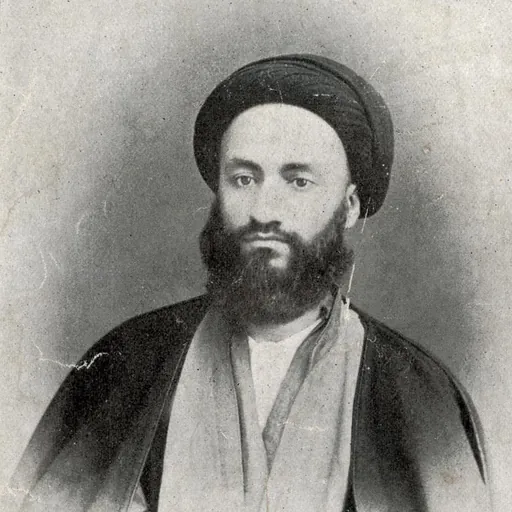
About Hibatuddin Shahrestani
Lived 1884 – 1967 (aged 82). Hibatuddin Shahrestani was a Turkish poet, ulema, qur'anic exegete, journal editor, journalist and scholar.
Sayyid Muhammad Ali Hosseini Shahrestani known as Hibatuddin Shahrestani, was an Iraqi Shiite cleric and an Islamic scholar and Mujtahid, Quran exegete.
Birth and lineage Hibatuddin Shahrestani was born in Samarra on the morning of 20 May 1884 (24th of Rajab 1301 AH). His father was Sayyid Hossein Haeri Kazemi, was a scholar and spent most of his time researching religious and spiritual issues. Sayyid Hossein Haeri Kazemi authored four books of "Al-Futuhat Al-Ghaybiyyah Fi Al-Khutum" , "Al-Ahraaz" , "Al-Adiyyah" and "Damu'ah Al-Sham'ah Fi Adiyyah Laylat Al-Jum'ah" . Hibatuddin Shahrestani 's mother was Maryam from Sayyidahs of Isfahan and the children of Mirza Muhammad Mahdi Shahrestani. Hibatuddin Shahrestani 's lineage goes back to Zayd ibn Ali, the son of Ali ibn Husayn, through thirty intermediaries.
Educations and careers Shahrestani spent his childhood in Karbala. From the age of ten, he studied the basics and elementary Islamic courses. In addition to the common Arabic literary sciences (such as morphology, syntax, logic, meanings, expression, novelty), he learned the sciences of Arabic prosody, arithmetic, geometry, astronomy, history, Biographical evaluation, Fiqh, Hadith studies and Hadith terminology and graduated in them during 9 years. During this period, he also studied nations sects and creeds and philosophical and theological issues, and with the ability to write at this age, he wrote books in these sciences in prose. His father, Sayyid Hossein Haeri Kazemi, died in February 1902 (Dhu al-Qadah of 1319 AH) at the age of seventy. At the age of nineteen, shortly after the death of his father, he left Karbala for Najaf on 23 November 1902 (21 Sha'ban of 1320 AH). In Najaf, he benefited from the school of masters such as Muhammad Kadhim Khorasani, Mohammed Kazem Yazdi and Fethullah Qa'ravi Isfahani. It was a philosophical-political treatise that dealt with the harmonization of Islamic law with some aspects of Western civilization and culture, namely scientific discoveries, especially the science of the astronomy and new philosophies. Of course, he relied mainly on Islamic law and heritage. It probably took until 1912 to write it.
He put the teaching of philosophy and abandoned intellectual knowledge in Islamic seminaries on the agenda and in his various lectures and writings, he called on students and the people to learn new sciences. Establishment of "Islam" School in Bahrain in Najaf, which lasted for almost two years. was not favored by the government of the time, so he resigned from this position in 1922 (1340 AH). The term of Shahrestani's ministry lasted about eleven months. However, he was engaged in research and writing. Some of the reforms he made during this time are:
President of the Supreme Court of Iraq called "Tamyeeze Jafari" for eleven years
In 1924 (1342 AH), by the order of the Iraqi government and the emphasis of the scholars of the time, he took over the presidency of the Supreme Court of Iraq, which became known later as the "Tamyeeze Jafari" parliament. Efforts to organize legal courts and link them to the Supreme Court, selecting competent judges, verdicts definition, and setting the necessary rules of trial procedure are part of the actions of Shahrestani in this position.
Representation of the National Assembly of Iraq
In 1933 (1352 AH), at the request of the people of Baghdad, Shahrestani was elected as one of the members of the National Assembly of Iraq until the dissolution of the Assembly.
Reforms and measures for Muslims unity Shahrestani went to India to propagate the Islam religion. He planned to go to Japan to propagate the Islam after meeting with India's scholars and forming a religious association, but his meeting with Jalaluddin Kashani changed his course. Jalaluddin Kashani who was the author of Habl al-Matin magazine, considered the trip to Japan ineffective. Hence, Shahrestani went to Yemen and from there traveled to Hejaz, Syria, Lebanon, Iran and then returned to Najaf. He planned to form a religious association in each land and link it with the central association of Najaf. So that in critical situations, these centers can take action and protect the boundaries of belief and religion.
Shahrestani took part in the Iraqi revolt of 1920. From the early of 1905 (1323 AH) to the end of February 1916 (Rabiʽ al-Thani 1334 AH), he traveled across the country for coordination against British colonial forces and associated groups in Iraq, during this time he traveled from the Euphrates shores to Basra and from the Tigris shores to Kut-al-Imara. And he always tried to attract the believing popular forces. In 1920 (1338 AH) he joined the Iraqi revolution and under the leadership of Ayatollah Mirza Taqi al-Shirazi he took part in uprisings against British and allied forces in Iraq. In the midst of this battle, Mirza Taqi al-Shirazi passed away and Shahrestani was arrested and taken prisoner with another group and was sentenced to death by a military court for his role in the uprising. Nine months had passed since his arrestment until in 1921 (1339 AH) when the British government issued a general amnesty order and he was released from prison.
Activities chronology Here are the chronology of his life and his most important activities:
May 20, 1884 (24 Rajab 1301 AH): His birth. 1893 (1311 AH): Start studying in Islamic schools in Karbala. February 1902 (Dhu al-Qadah 1319 AH): The death of his father. November 23, 1902 (21 Sha'ban 1320 AH): Emigration from Kadhimiya and Karbala to Najaf to continue his education. December 1902 (Ramadan 1320 AH): trip to Bahrain. December 1902 (Ramadan 1320 AH): Establishment of two schools of "Islah" and "Islam" in Bahrain. 1905 (1323 AH): Study under Mohammad Bagher Estahbanati. 1905 (1323 AH): Compilation of the book "Adaae al-Farz fi Sokoun al-Arz" 1906 (1324 AH): Participate in the meetings of Iranian constitutionalists in Najaf and work for it. 1906 (1324 AH): Compilation of the book "Naqz al-Farz fi Isbaat Harakah al-Arz" November 1906 (Ramadan 1324 AH): The beginning of writing the book "Al-Hey'ah va al-Islam" 1910 (1328 AH): Publication of religious, philosophical and scientific monthly "Al-Ilm" magazine. September 1912 (Shawwal 1330 AH): The establishment of the "Society of the Staff of Islam" in Baghdad. October 1912 (Dhu al-Qadah 1330 AH): The establishment of the "Islamic Society" . December 1912 (Muharram 1331 AH): The establishment of the "Reform Society" in Bahrain. 1912 (1331 AH): The establishment of the "Union of Scholars" in Oman. February 1913 (Rabiʽ al-Awwal 1331 AH): Travel to India and warm welcome of people and officials. February 1913 (Rabiʽ al-Awwal 1331 AH): He gave lectures and wrote articles criticizing practices he considered un-Islamic and calling for religious reform. February 1913 (Rabiʽ al-Awwal 1331 AH): The establishment of the "Allah's Recruit Society" in Kolkata, India. April 1913 (Jumada al-awwal 1331 AH): The establishment of "Ale-Muhammad Society" in Al Bahah. May 1913 (Jumada al-Thani 1331 AH): The establishment of "Islamic Publication Society" in Allahabad. July 1913 (Sha'ban 1331 AH): The establishment of "Reinforcement Society" in Jabis. November 1913 (Dhu al-Hijjah 1331 AH): The establishment of "Society of the People of Truth" in Yemen. November 1913 (Dhu al-Hijjah 1331 AH): Go to Hajj pilgrimage. November 1913 (Dhu al-Hijjah 1331 AH): Compilation of the book "Ad'iyat al-Quran" . November 1913 (Dhu al-Hijjah 1331 AH): Travel to Syria, Lebanon, Iran and Basra. 1914 (1332 AH): Travel to Yemen. December 1914 (Muharram 1333 AH): Issuing the fatwa of jihad against Britain, France and Russia. December 11, 1914 (23 Muharram 1333 AH): Announcing his fatwa in mosques and inviting people to participate in the jihad. November 29, 1915 (21 Muharram 1334 AH): The arrival of the legion of volunteers against colonialism led by Hibatuddin Shahrestani to Baghdad. 1920 (1338 AH): The establishment of the secret organization "Islamic National Assembly" against the British colonizers. May 30, 1921 (22 Ramadan 1339 AH): The issuance of the death sentence against Hibatuddin Shahrestani for his struggles. 1921 (1339 AH): Release from the jail after nine months of captivity. 1921 (1339 AH): Release from prison and execution for general amnesty. September 28, 1921 (25 Muharram 1340 AH): Appointed to the Ministry of Education of Iraq. August 14, 1922 (20 Dhu al-Hijjah 1340 AH): Resignation from the Ministry of Education of Iraq. August 14, 1923 (1 Muharram 1342 AH): Accepting the presidency of the "Jafari Shiite Assembly". 1924 (1342 AH): Accepting the presidency of the Supreme Court of Iraq "Tamyeeze Jafari". 1924 (1342 AH): Eye disease and impaired vision and the onset of low vision and then blindness. December 1925 (Jumada al-awwal 1344 AH): Establishment of "Al-Murshid Magazine" in Baghdad. 1926 (1345 AH): Eye surgery and temporary recovery. 1930 (1349 AH): A trip to Syria for eye treatment. 1934 (1353 AH): Resignation from the Supreme Court of Iraq "Tamyeeze Jafari". 1934 (1353 AH): Participate in the National Assembly elections of Iraq. 1934 (1353 AH): Elected by the people of Baghdad to represent the parliament. February 1935 (Dhu al-Qadah 1353 AH): Withdrawal from the parliament due to the crisis and the dissolution of the parliament. 1935 (1354 AH): Beginning of the establishment of "Al-Jawadain Public Library" next to the Al-Kadhimayn Shrine. February 7, 1967 (26 Shawwal 1386 AH): His death.
Works Shahrestani's writings and works amount to over one hundred volumes of books and treatises in various Islamic sciences and fields in Arabic and Persian languages. Elsewhere, the number of his writings is mentioned as more than three hundred and fifty volumes. The names of some of which are given here.
Quranic Al-Mohit : It is an extended Tafsir of Quran in eight large volumes written in a new way but is incomplete. Hujjat al-Islam : The summary of the book "Al-Mohit" mentioned above. Siraj al-Miraj : In interpreting the Quran verses of Mi'raj and solving its issues. Tafsir Surah Waqi'a : Tafsir of Waqi'a Surah. An important part of it has been published in the monthly "Al-Murshid" in Baghdad. Resaleh Dhu al-Qarnayn : Which is written to solve the issues of the Quran verses about the story of Dhu al-Qarnayn. Sadde Yajoj va Majoj : Which is written to solve the issues of the Quran verses about the story of Gog and Magog. Al-Jame'at al-Islamiyah va al-Aqaid al-Quraniyah : In proving the five principles of the Shia Islam religion with Quranic verses. Al-Tafsir al-Yasir le-Surat al-Fatihah wa Jazai Tabaarak wa Am min Kitab al-Ali al-Qadir Sirr Tashabuh al-Quran Al-Moejizat al-Khalidah
Theology and philosophy Al-Intiqad Hawli Tashih al-Itiqad : A part of this book has been published in "Al-Murshid" monthly, but it is unfinished. Al-Ma'arif al-Aaliah lel-Madaaris al-Iraqiyah : It is a religious, scientific and philosophical textbook for Iraqi schools that only the first volume has been published. Dein al-Bashar fi al-Tariqat al-Saalehah le-Sair al-Insan Al-Rouhiaat : Which is also called Al-Kitab al-Maftouh ila Awaalim al-Rouh Al-Imamah va al-Ummah Al-Fareq fi Foraq al-Islam Mavaahib al-Moshaahid fi Wajibaat al-Aqayid : It is a poetic work in theology. Nazm al-Aqayid : Summary of the book "Mavaahib al-Moshaahid fi Wajibaat al-Aqayid" mentioned above. Towhid Ahl al-Towhid : This book proves the principles of Islamic beliefs only with Quran verses and rational arguments. Fayz al-Baari aw Islah Manzumat al-Sabzavari va Hiya Usul al-Falsafat al-Aliyah : It is a book on the refinement of Hadi Sabzevari's book "Šarḥ al-Manẓuma". Al-Qout va al-Malakout : In proving monotheism. Al-Jabr va al-Ikhtiar Al-Shia va al-Nasebiah Ta'aliqah ala al-Nokat al-Itiqadiyah : Comments on the book "Nokat al-Itiqadiyah" by Al-Shaykh Al-Mufid, which has been published in Tehran. Zikri al-Soufiah : It is a poetic work in rejection of Sufism. Holoul al-Holoul : In rejection of Sufism. Al-Marjaniyah fi Talkhis al-Manzumat al-Itiqadiyah Falsafeh al-Istikmaal va Usulihaa Hadith ma'a al-Duat al-Burutestaniyayn Al-Radd ala al-Babiyah Al-Qaliyah fi Radd al-Moqaliyah
Jurisprudence and principles Fayz al-Saahil va Ojoubat Masa'il Ahl al-Sawahil Tahrim Naql Al-Jana'iz al-Motaqayerah : It is a revised treatise that has been published several times. Abd al-Husayn Sharaf al-Din al-Musawi has written the book "Boqyat al-Fa'iz fi Jawaz Naql al-Jana'iz" in rejection of this book. Yaqut al-Nahr fi Miqat al-Bahr Kitab fi Ahkaam Ahl al-Kitab Hikmat al-Ahkaam : Which discusses the philosophy of legislation and still unfinished. Horiat al-Fikr bel-Ijtihad : Which is not completed. Al-Takattof va al-Isbaal Dalil al-Qazaah : Which is two volumes. Hokumat al-Haqq : About the laws of European wisdom and their social rules and its adaption to the religion of Islam. Al-Fayyaz Hawaash Ala al-Riyaz : Not yet gathered. Fiqh Hay : Which is not completed. Resaleh ee dar Sowm Resalah fi Wojoub Salah al-Jum'ah Al-Azwaaj al-Mowaqqat Weqayah al-Mahsoul fi Sharhi Kifayat al-Osoul : In this book, the lectures of Muhammad Kadhim Khorasani gathered. Al-Wuquf ala Ahkam al-Awqaaf Minhaaj al-Haaj aw Manaasik Ale Muhammad Asfi al-Mashaarib fi Hokam Haliq al-Lahiyat va Tatwil al-Shaarib Al-Tanabboh fi Tahrim al-Tashabboh Qaab Qawsayn fi al-Salaat inda al-Qutbayn Fath al-Baab le-Taqbil al-Ietaab Al-Hajj al-Mokhattar, Javaab al-Saailin an el-Hajj fi Soltat al-Wahabiyayn Raahnamaye Yahud va Nasaaraa: ya Bibleha
History Sirah Khayrah al-Bashar : Which is in the history of Islam prophet Muhammad ibn Abdullah in a strange way that leads the reader to the conclusion of acknowledge Muhammad's mission. Ketab Amir al-Momenin Ali (a) : Which is in the history and virtues of Imam Ali. Nihzat al-Husayn : In the history of Imam Hussein. The first edition was published in 1926 (1345 AH) and has been reprinted many times since then. This book has been translated into English and Persian, which was translated into Persian by Alireza Hakim Khosravi and is called "Azemate Hossein" . Mokhtasar Nihzat al-Husayn : Summary of the book "Nihzat al-Husayn" mentioned above. Al-Masnoue fi Naqdi Iktifa al-Qonoue bima Howa Matboue Al-Khaybah fi al-Shoaybiah : Which has also been translated into Turkish. Kitab Zayd al-Shahid Al-Tamhid fi Zayd al-Shahid Siqaat al-Ruwaat Al-Riwayat Solalah al-Saadaat : Which is unfinished. Solalah al-Saadaat fi Ansaab al-Buyut al-Shahirat min al-Itrat al-Tahirah Al-Sham'ah fi Haal Zid al-Dam'ah Tajomeh Jabir ibn Hayyaan al-Soufi al-Kimiawi : In 1925 (1343 AH), part of it was published in the monthly "Islah" in Baghdad. Tayye al-Awaalim fi Ahwaal Sheikh al-Mulla Kazim : The important part of this book was published in "Al-Ilm" monthly in 1911 (1329 AH). Zowi al-Ma'aali fi Zoriyah Abi al-Ma'aali Sadaf al-Le'aali fi Shajareh Abi al-Ma'aali Al-Nobakhtiyah : Which is in the history of "Nawbakht" family. Al-Ilaqiyah Silsilat al-Zahab : A poetic work in the history of "Shahrestani" family.
Mathematics and astronomy Al-Hey'ah va al-Islam : In Arabic and in charge of adapting the new astronomy sciences to the appearances of Islamic laws, it was published in Baghdad and its Persian translation was published in Najaf. Fazaalik al-Mohaasib Feisal ol-Dalaael : The answer to the questions asked by "Faisal", the son of the king of Muscat and the Imam of Oman. Adaae al-Farz fi Sokoun al-Arz Mawaqe al-Nojoum fi Tahqiq al-Samaae al-Dunya va al-Rujum Naqz al-Farz fi Isbaat Harakah al-Arz Zinat al-Kawaakib fi Hey'at al-Afalaak va al-Sawaaqib : Part of which was published in the first year of the monthly "Al-Ilm" and is still unfinished. Al-waafi al-Kaaf ya Sharhi Jabal Qaaf : In the history of Mount Qaf, published by the office of "Al-Murshid" magazine in Baghdad. Al-Shariat va al-Tabiat : Which adapts the naturalities sciences of that age to the appearances of the Islamic laws.
Literary sciences Rawaashih al-Foyuz fi Ilm al-Uruz : Which was published in 1916 (1334 AH) in Tehran with the book "Mavaahib al-Moshaahid fi Wajibaat al-Aqayid" in one edition. Tahawwul al-Ajamah va al-Arubah : It is in the expression of words that have been quoted from Persian to Arabic and from Arabic to Persian. A collection containing the following treatises: Risaalah Aqd al-Habaab : A poetic work about Arabs. Al-Dorr va al-Marjaan : A poetic work in the science of semantics and eloquence. Risaalah al-Awraaq fi al-Ishtiqaaq Risaalah al-Sirr al-Ajib fi Talkhis Mantiq al-Tahzib Risaalah Qilaadah al-Nahur fi Awzaan al-Bahur Natijat al-Mantiq : In Persian language. Motun al-Fonun Nadirah al-Zamaan fi Dilaalah al-Fiel ala al-Zamaan
Miscellaneous Fiqan Islam : It was written in India and published in 1913 (1331 AH). Azraar al-Tadkhin : Which was published in 1925 (1343 AH) in Baghdad. Azraar al-Tadkhin ya Sharab al-Dokhan fi Nazar al-Tib Walidayn Fazayel al-Faras : In expressing the virtues of Iranians. Al-Faraayid : Which is in several volumes. Al-Manaabir : It is a Persian book and has been written for preachers. Jadawil al-Riwayat Anis al-Jalis : Which remains unfinished. Anis al-Jalis fi al-Montakhab min Kolli Muzui Nafis Maa Howa Nahj al-Balaaqah : It was published in 1933 (1352 AH) by "Al-Irfan" magazine in Syria-Sidon. This book was translated into Persian by Seyyed Abbas Mirzadeh Ahari and published in Tehran in the religious newspaper "Nedaye Hagh" and then many times under the title "What is Nahj al-Balagha?" published with an introduction by Ali Davani. Hall al-Mashaakil : In solving a thousand scientific and literary issues. Al-Fawayid Masih al-Injil aw Masih al-Quran : In rejection of the Christian beliefs about Jesus. Islam Brahmi : It is about converting to Islam by an Indian engineer who converted to Islam as a result of an argument with the author. Part of that debate was published in the first year of "Al-Murshid" magazine. Qasaari al-Kalam fi Qasaari al-Hikam Qasaar al-Hikam fi Qasaar al-Kalam Al-Baqiaat al-Saalihaat Al-Manaat fi Shorof al-Asbaat Minhaaj al-Haaj : Published in Baghdad. Noor al-Naazir fi Ilm al-Miraayaa va al-Manaazir Falsafat Hibatuddin Tebb ol-Zo'a'fa Al-Khataabah Al-Haadi ila al-Mahdi (a) Al-Shiat al-Naajiah Al-Tazkiratah li Ale Muhammad al-Khayyirah Al-Majaamie al-Asnaa Ashar Jabal Qaaf Al-Dalayel va al-Masaaeel : Of which five volumes have been published and apparently reach twenty volumes. Nataaej al-Tahsil Sabayek al-Afhaam Al-Majamie al-Baghdadiyah Ziwar ol-Muslimin : This book has been published in Arabic and Persian in Iran under the name of "Ad'iyat al-Quran" , and recently reprinted as part of some books of prayers and recitations of the Quran by the publications of the Society of Seminary Teachers of Qom. Zabour al-Muslimin, dar Adiyat Quran Karim Al-Dukhaniyah : It is a treatise about smoking during fasting. Al-Tanbih : In the prohibition of resemblance [to infidels] which was published in 1922 (1340 AH) in Baghdad. Asqi al-Mashaarib : About shaving and lengthening the human mustache. Al-Taftish : It is a Persian treatise on the evils of shaving the beard, published twice, first in Najaf in 1922 (1340 AH) and again in 1924 (1342 AH) in Tabriz, and "Mirza Abu Turab Hedayi" has put it in order. Khotab fi al-Jihad va al-Ittihad Al-Sa'at al-Zuwaliyah Jannat al-Ma'wa fi al-Irshad ila al-Taqwa Tanziyah al-Tanzil min al-Taqyir va al-Tabdil Vazayef Zanan Al-Jaann va al-Jinn Al-Ruwayd Minhaj al-Salaf fi Tafriq al-Mokhtalif va al-Moetalif Tarjomeh Resaaleh Qadirieh
Articles Asraar al-Sawrat aw Khawatir Sa'ah Ash'aar al-Quran be-Taharrok al-Arz Izhaar al-Wasi Taharrok al-Arz Ila min Yarid al-Ashiae Mahsusah Al-Baraahin ala Tajarrod al-Nafs Tasrih al-Din be-Kisrat Aqmaar al-Samaae Tafsir al-Quran al-Hakim: Tafsir Surah al-Waqi'a be-Qalam al-Allama Al-Sayyid Hibatuddin al-Shahrestani Damma Zillah Tanazoe al-Rouhiyah wa al-Maadiyah Siqaat al-Rowaat: Al-Sayyid Hibat al-Hussayni al-Shahrestani (1301-1386 AH) Al-Husayn.. al-Wasbat al-Mawqozah Al-Dalaael wa al-Masaael Ramadan Ramz Taqrib al-Qulub wa Talif al-Shu'oub
Eye disease Shahrestani was about forty years old (that is, in 1924 or 1342 AH) when he suffered from eye diseases and decreased vision. Surgery in 1926 (1345 AH) and hospitalization in Damascus did not result and he remained blind until the end of his life, 1967 (1386 AH). That is, he lives about half a century with the effects of low vision and blindness.
Death Shahrestani died on the night of Monday, 7 February 1967 (Shawwal 26, 1386 AH) at the age of 85 and was buried in the shrine of Musa al-Kadhim, Al-Kadhimiya Mosque, Kādhimayn, Baghdad, Iraq. Funeral ceremonies were held in Najaf, Karbala, Baghdad, Iran and other Islamic countries in respect of him.
Commemoration conference The conference in honor of Allamah Hibatuddin Shahrestani was held by the University of Kufa and The Islamic College of London on Wednesday and Thursday, March 31, 2010, and April 1, 2010, at the Faculty of Literature of the University of Kufa. In this conference, dozens of articles were presented by the professors of this university and a number of guests. The book "Sayyid Hibatuddin al-Hosseini al-Shahrestani, his life and scientific and social vitality (1301-1386 AH)" was commissioned by the Shiite Bibliographic Institute by the efforts of Sayyid Abdul Sattar al-Hassani al-Baghdadi. This book is the most extensive book in the biography of Hibatuddin Shahrestani.
Don’t just read it —
keep it.
Full-length biographies made to live with: read them, listen on the way to work, watch them tonight.
- E-book
- Audio
- Video
Instant download · yours to keep · every purchase keeps this site free
Important facts
more
Hibbat al-Dīn al-ShahrastānīPeople in Hibatuddin Shahrestani's life
Named in this biography and alive at the same time

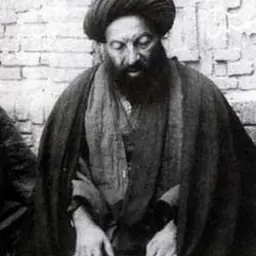


Related people
Same field, nearest in time
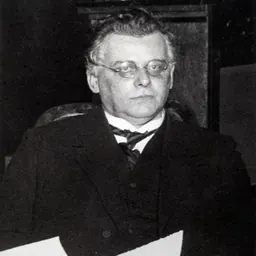
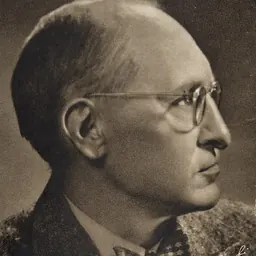
Contemporaries
People whose lives overlapped Hibatuddin Shahrestani's
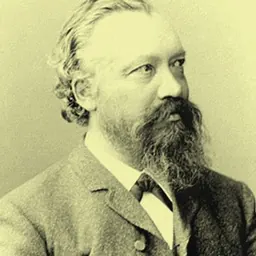



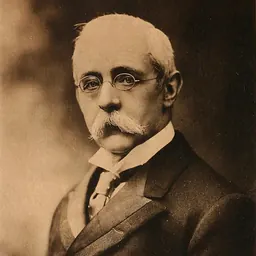
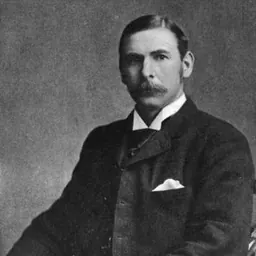
Frequently asked questions
Who was Hibatuddin Shahrestani?
Iranian-Iraqi Twelver Shia cleric and poet
When was Hibatuddin Shahrestani born?
Hibatuddin Shahrestani was born on 20 May 1884 in Samarra.
When did Hibatuddin Shahrestani die?
Hibatuddin Shahrestani died on 7 February 1967 in Kadhimiya.
What was Hibatuddin Shahrestani's occupation?
Hibatuddin Shahrestani was a poet, ulema, qur'anic exegete, journal editor, journalist and scholar.
What nationality was Hibatuddin Shahrestani?
Hibatuddin Shahrestani was Turkish.
Sources & further reading
· Wikipedia: Hibatuddin Shahrestani
· DBpedia: Hibatuddin Shahrestani
Cite this page
APA: Biography.guide. (2026). Hibatuddin Shahrestani. https://biography.guide/hibatuddin-shahrestani/
MLA: "Hibatuddin Shahrestani." Biography.guide, https://biography.guide/hibatuddin-shahrestani/.
Chicago: "Hibatuddin Shahrestani." Biography.guide. https://biography.guide/hibatuddin-shahrestani/.
Data last updated: 2026-09-21 · Spot an error? Report a correction.
Portrait: Wikimedia Commons · author & licence
Page generated 2026-09-27 05:00 UTC