
Grace M. Sparkes
American booster
About Grace M. Sparkes
Lived 1893 – 1963 (aged 70). Grace M. Sparkes was an American secretary.
Grace M. Sparkes (January 21, 1893-October 22, 1963) was an influential booster in Arizona. As a secretary of the Yavapai County and Bisbee Chambers of Commerce, she managed community projects and tourism. During the Great Depression, she implemented federal and municipal projects employing Yavapai County citizens. After leaving Yavapai County, she was instrumental in the creation of the Coronado National Memorial.
Early life Grace Marion Sparkes was born on January 21, 1893, in Lead, South Dakota, to Thomas Jefferson "T.J." Sparkes and Mary Ann Sparkes (née Martin). Grace was one of four Sparkes children. Mary Ann had previously been married and widowed; it is unknown what happened to her three children from the first marriage. Sparkes was known by her childhood nickname, "Babe", throughout her life.
While working with the Yavapai County Chamber of Commerce, Sparkes was credited with greatly building the Prescott Frontier Days rodeo. She was also influential in developing rodeo rules, many of which are still used.
In 1921, Sparkes co-founded the Smoki Tribe of Prescott ceremonial dances. Sparkes was the marketer for the Smoki and their activities, describing the Smoki dances as "adapted to the mood of the white man and given in a manner which [left] no offense whatsoever from the standpoint of the Indian." Her success in marketing the activities brought it to the national interest. In 1924, the event was attended by Governor George W. P. Hunt, and Sparkes, on a trip to Washington, D.C., conferred honorary membership on Calvin Coolidge. The national interest in the Smoki Sparkes garnered criticism of their activities as well; also in 1924, the Los Angeles Times criticized the Smoki as a "highly offensive, objectionable and indefensible exhibition of bad taste." She was instrumental in creating projects funding unemployed people throughout the county.
In 1934, when the Arizona legislature decided not to fund an exhibit for the Century of Progress exhibition, Sparkes raised funds and built an exhibit herself.
In 1935, Sparkes, along with Sharlot Hall and Yavapai leaders Sam and Viola Jimulla, convinced the federal government to designate of land to be a reservation for the Yavapai people. It was the first reservation solely for the Yavapai in the state. In 1946, mineral production at the mine stopped. Facilities and personnel remained at the State of Texas until 1960. She was also an excellent cornet player, who was able to "triple-tongue."
Don’t just read it —
keep it.
Full-length biographies made to live with: read them, listen on the way to work, watch them tonight.
- E-book
- Audio
- Video
Instant download · yours to keep · every purchase keeps this site free
Important facts
People in Grace M. Sparkes's life
Named in this biography and alive at the same time




Related people
Same field, nearest in time
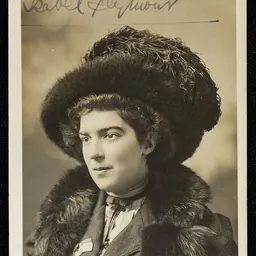
Contemporaries
People whose lives overlapped Grace M. Sparkes's


Frequently asked questions
Who was Grace M. Sparkes?
American booster
When was Grace M. Sparkes born?
Grace M. Sparkes was born on 21 January 1893 in Lead.
When did Grace M. Sparkes die?
Grace M. Sparkes died on 22 October 1963 in Bisbee.
What was Grace M. Sparkes's occupation?
Grace M. Sparkes was a secretary.
What nationality was Grace M. Sparkes?
Grace M. Sparkes was American.
Sources & further reading
Cite this page
APA: Biography.guide. (2026). Grace M. Sparkes. https://biography.guide/grace-m-sparkes/
MLA: "Grace M. Sparkes." Biography.guide, https://biography.guide/grace-m-sparkes/.
Chicago: "Grace M. Sparkes." Biography.guide. https://biography.guide/grace-m-sparkes/.
Data last updated: 2026-09-20 · Spot an error? Report a correction.
Page generated 2026-09-27 05:31 UTC