
About Frederick William Pavy
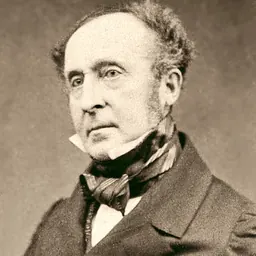
Lived 1829 – 1911 (aged 82). Frederick William Pavy was a physiologist, lecturer, physician, examiner, writer and researcher.
Frederick William Pavy (29 May 1829 – 19 September 1911) was a British physician, physiologist, and the discoverer of the Pavy disease, a cyclic or recurrent physiologic albuminuria.
Life
Pavy was born in Wroughton and educated at Merchant Taylors' School. He entered Guy's Hospital in 1847 and worked with Richard Bright in the study of Bright's disease or kidney failure. He graduated as M.B. after five years from the University of London and M.D. the following year, then became Lecturer of Anatomy at Guy's in 1854 and of Physiology in 1856. In 1859, he was appointed Assistant Physician at Guy's and full Physician in 1871.
He was made President of the Pathological Society of London in 1893 and President of the Medical and Chirurgical Society of London in 1900. He delivered the Goulstonian Lectures in 1862 and the Croonian Lecture in 1878 and 1894 to the Royal College of Physicians. He was elected a Fellow of the Royal Society in 1863.
He had married Julia Oliver in London in 1855. They had two daughters, Florence Julia (1856–1902) and Maud (born 1862, predeceased her mother). Florence Pavy married Rev. Sir Borradaile Savory in 1881.
Pavy died on 19 September 1911 and was buried in a family vault on the western side of Highgate Cemetery.
Diabetes
Pavy was a leading expert in diabetes, and spent almost 20 years trying to disprove Claude Bernard's theory of the glycogen-glucose metabolic cycle. His 1862 paper "Researches on the Nature and Treatment of Diabetes" was, for many years, the definitive guide to the condition.
Pavy studied carbohydrate metabolism and dietetic treatment for diabetes. In 1873, Pavy authored A Treatise on Food and Dietetics, which recommended almonds and nuts as bread substitutes, and promoted a low-carbohydrate diet to treat diabetes. His diet allowed all kinds of butcher's meat (except liver), cheese, eggs, fish and some green vegetables. All sugar was forbidden, including all kinds of fruit, pasta, and potatoes but he allowed spirits and wines that had not been sweetened.
Selected publications
A Treatise on the Function of Digestion (1869) Researches on the Nature and Treatment of Diabetes (1869) A Treatise on Food and Dietetics (1874) The Physiology of the Carbohydrates (1894) On Carbohydrate Metabolism (1906)
Don’t just read it —
keep it.
Full-length biographies made to live with: read them, listen on the way to work, watch them tonight.
- E-book
- Audio
- Video
Instant download · yours to keep · every purchase keeps this site free
Important facts
People in Frederick William Pavy's life
Named in this biography and alive at the same time
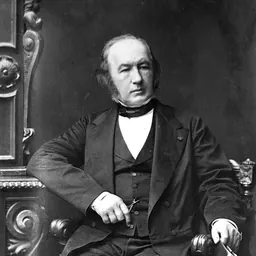
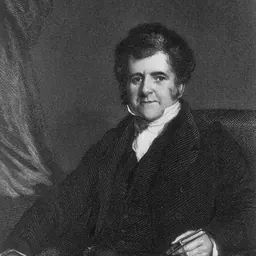

Related people
Same field, nearest in time

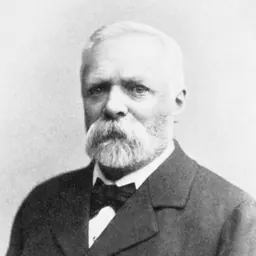



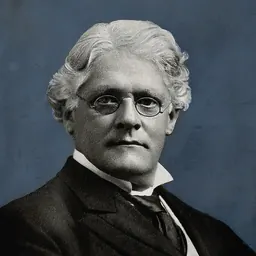
Contemporaries
People whose lives overlapped Frederick William Pavy's



Frequently asked questions
Who was Frederick William Pavy?
British doctor
When was Frederick William Pavy born?
Frederick William Pavy was born on 29 May 1829 in Wroughton.
When did Frederick William Pavy die?
Frederick William Pavy died on 19 September 1911 in Grosvenor Street.
What was Frederick William Pavy's occupation?
Frederick William Pavy was a physiologist, lecturer, physician, examiner, writer and researcher.
Sources & further reading
· Wikipedia: Frederick William Pavy
· DBpedia: Frederick William Pavy
Cite this page
APA: Biography.guide. (2026). Frederick William Pavy. https://biography.guide/frederick-william-pavy/
MLA: "Frederick William Pavy." Biography.guide, https://biography.guide/frederick-william-pavy/.
Chicago: "Frederick William Pavy." Biography.guide. https://biography.guide/frederick-william-pavy/.
Data last updated: 2026-09-20 · Spot an error? Report a correction.
Page generated 2026-09-27 05:24 UTC