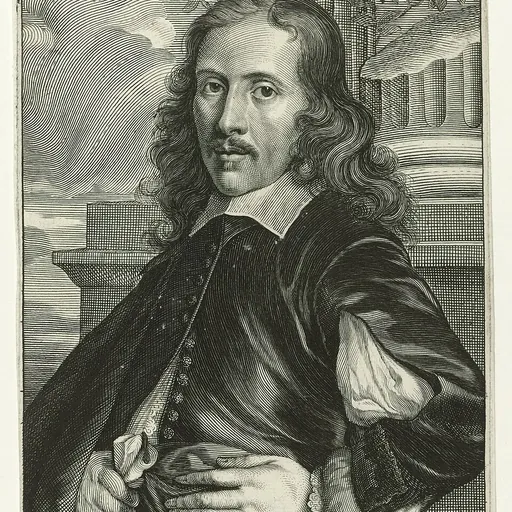
About Frans Wouters
Lived 1612 – 1659 (aged 46–47). Frans Wouters was a painter.
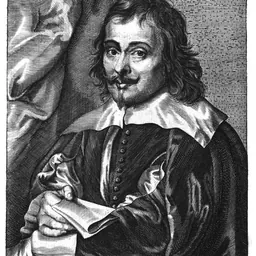
Frans Wouters (1612–1659) was a Flemish Baroque painter who translated the monumental Baroque style of Peter Paul Rubens into the small context of cabinet paintings. He was a court painter to the Roman Emperor and the Prince of Wales and was active as an ambassador and art dealer.
Life Frans Wouters was born in Lier, present-day Belgium. He was first apprenticed to Pieter van Avont in Antwerp in 1629 but broke his contract to move to the workshop of Rubens in 1634. He became a master in the Guild of St. Luke the following year. He assisted Rubens in 1635 in the decorations for the Joyous Entry into Antwerp of the Cardinal-Infante Ferdinand of Austria in 1635. Rubens had the overall management of this decorative project which was realized with the assistance of a large number of Antwerp painters such as Jacob Jordaens, Cornelis de Vos, Jan Cossiers, Peter Snayers, Thomas Willeboirts Bosschaert, Theodoor van Thulden, Jan Boeckhorst, Peeter Symons, Jacob Peter Gowy and others, who worked after Rubens' modellos.
He spent the 1630s as court painter to Holy Roman Emperor Ferdinand II. He was sent as an ambassador of Ferdinand II to England in 1637. The following year, he became the painter of the Prince of Wales, the future Charles II of England. In England, Wouters would certainly have had the opportunity to meet his compatriot Anthony van Dyck, who was at that time the court painter of Charles I of England.
In Antwerp he collaborated again with his former master Pieter van Avont mainly adding landscapes to van Avont's compositions. He became involved in the art market. In this capacity he assisted in the valuation of the paintings in Rubens' estate.
Work
Wouters' style and subject matter reflect the taste of his international aristocratic clients who preferred small paintings, decorative landscapes and mythological stories.
His style bore initially a resemblance to the late Mannerism of Joos de Momper and was later influenced by Rubens and in particular Rubens' landscape paintings. After entering the service of Archduke Leopold William, Wouters' work demonstrated the increased influence of Anthony van Dyck and the human figures in his paintings became elongated and emotionally expressive. He painted biblical scenes and mythological landscapes in this style.
Don’t just read it —
keep it.
Full-length biographies made to live with: read them, listen on the way to work, watch them tonight.
- E-book
- Audio
- Video
Instant download · yours to keep · every purchase keeps this site free
Important facts
more
Wauters, franz wouters, Chev. Wouters, Francisc. Wouters, F. Vauters, Woothers, F. v. Wouters, Wouters, de Bruxelles Wouters, Frans. Wauters, François Wauters, Francis Wouters, F. Wouters, Wooter, François Vouters, Francisq. Wouters, Frans Wauters, Wonters, F. Wooters, WauterPeople in Frans Wouters's life
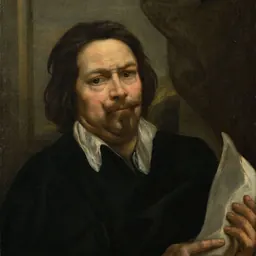
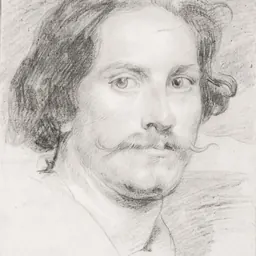
Named in this biography and alive at the same time


Related people
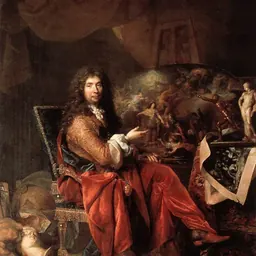
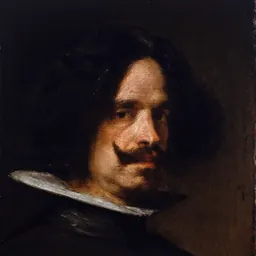
Same field, nearest in time

Contemporaries
People whose lives overlapped Frans Wouters's





Frequently asked questions
Who was Frans Wouters?
Flemish painter (1612-1659)
When was Frans Wouters born?
Frans Wouters was born in 1612 in Lier.
When did Frans Wouters die?
Frans Wouters died in 1659 in Antwerp.
What was Frans Wouters's occupation?
Frans Wouters was a painter.
What nationality was Frans Wouters?
Frans Wouters's recorded nationality: Habsburg Netherlands.
Sources & further reading
Cite this page
APA: Biography.guide. (2026). Frans Wouters. https://biography.guide/frans-wouters/
MLA: "Frans Wouters." Biography.guide, https://biography.guide/frans-wouters/.
Chicago: "Frans Wouters." Biography.guide. https://biography.guide/frans-wouters/.
Data last updated: 2026-09-24 · Spot an error? Report a correction.
Portrait: Wikimedia Commons · author & licence
Page generated 2026-09-27 05:08 UTC