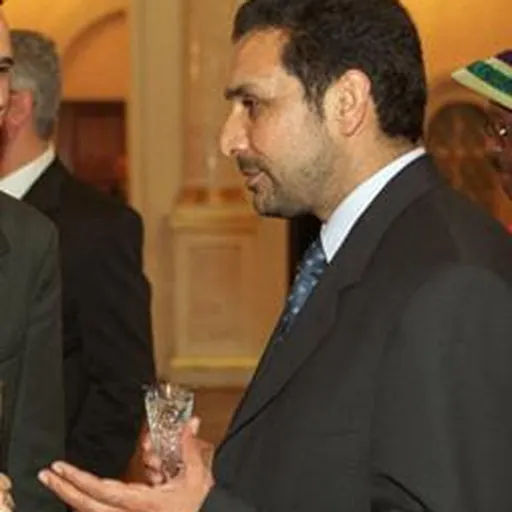
About Ahmad Zia Massoud
Born 1956. Ahmad Zia Massoud is an Afghan diplomat and politician.
Ahmad Zia Massoud (born 1 May 1956) is an Afghan politician who served as the first vice president of Afghanistan in the first elected administration of President Hamid Karzai, from December 2004 to November 2009.
He is a younger brother of the late Ahmad Shah Massoud, the resistance leader against the Soviet invasion of Afghanistan and against the Taliban. In late 2011, Ahmad Zia Massoud joined hands with major leaders in the National Front of Afghanistan, which strongly opposed a return of the Taliban to power. The National Front was generally regarded as a reformation of the United Front (Northern Alliance) which with U.S. air support temporarily removed the Taliban from power in late 2001.
Biography Ahmad Zia Massoud was born on May 1, 1956, in Muqur district, which is located in Ghazni province of Afghanistan. He attended the Lycée Esteqlal in Kabul. In 1976, he was admitted to the Polytechnical University of Kabul where he studied for three years. While campaigning in the 2004 elections a bomb was detonated at a political rally of Massoud in the northern Afghan city of Feyzabad. Two people were killed but Massoud emerged unscathed.
After several political disputes between Ahmad Zia Massoud and Hamid Karzai, the two men parted ways. In the 2009 presidential elections Karzai ran on an election ticket with Mohammad Qasim Fahim instead. In December 2009 another bomb blast is believed to have targeted Ahmad Zia Massoud. He emerged unharmed while 8 people were killed and 40 wounded.
National Front of Afghanistan Ahmad Zia Massoud as Vice President of Afghanistan shaking hands with a U.S. Provincial Reconstruction Team at the ceremony for a new road.
In late 2011, Ahmad Zia Massoud united major political anti-Taliban leaders in the National Front of Afghanistan, which strongly opposes a return of the Taliban to power. The National Front retains significant military capabilities.
U.S. Congressman Louie Gohmert wrote, "These leaders who fought with embedded Special Forces to initially defeat the Taliban represent over 60-percent of the Afghan people, yet are being entirely disregarded by the Obama and Karzai Administrations in negotiations."
In January 2012, Ahmad Zia Massoud, Abdul Rashid Dostum, leader of the Uzbek-dominated Junbish-i Milli, Haji Mohammad Mohaqiq, one leader of the Hazara Shia Hezb-e Wahdat, and Amrullah Saleh, former director of the Afghan intelligence service NDS and leader of the Basij-e Milli, came together in a meeting with US congressmen in Berlin and signed a joint declaration:
The Asia Times writes: "This is the first time that the leadership of the Tajik, Uzbek and Hazara communities [of Afghanistan] has come to a common line of thinking ... In essence, the Northern Alliance is being resuscitated as a political entity. ... As the Northern Alliance groups see it, Pakistani strategy is to wait out the period between now and 2014 - the date set for the US troop withdrawal - and then regroup the Taliban and make a bid to capture power in Kabul. Their strong show of unity in Berlin suggests that they will not roll over and give way to an exclusive US-Taliban-Pakistan settlement being imposed on their nation."
2014 presidential elections In the 2014 presidential elections Ahmad Zia Massoud ran with then Foreign Minister Dr. Zalmai Rassoul in the 2014 Afghan presidential election. During the second round of the election he endorsed candidate Dr. Ashraf Ghani Ahmadzai. Publicly they had signed an agreement that Ahmad Zia Massoud would hold the position of chief executive officer under Ghani's administration. However, with the difficulties during the second round of the election between the two presidential candidates Dr. Ashraf Ghani Ahmadzai and Dr. Abdullah Abdullah, Ahmad Zia Massoud stepped aside leaving the position of chief executive officer to Dr. Abdullah Abdullah who had demanded the same position after losing the race. Currently Ahmad Zia Massoud holds the position of The Special Representative of the President of Afghanistan in Reform and Good Governance.
Personal life Ahmad Zia Massoud is married to a daughter of Burhanuddin Rabbani. They have four children.
Don’t just read it —
keep it.
Full-length biographies made to live with: read them, listen on the way to work, watch them tonight.
- E-book
- Audio
- Video
Instant download · yours to keep · every purchase keeps this site free
Important facts
People in Ahmad Zia Massoud's life
Named in this biography and alive at the same time




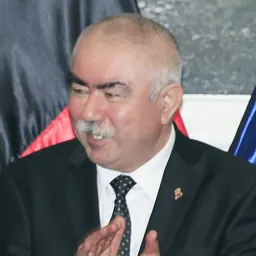
Related people
Same field, nearest in time
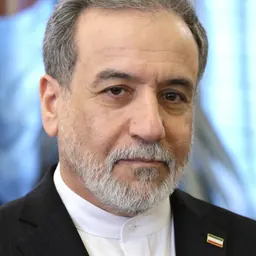

Contemporaries
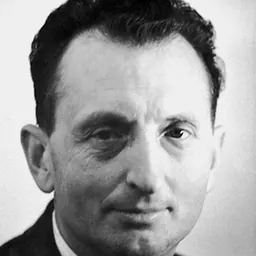
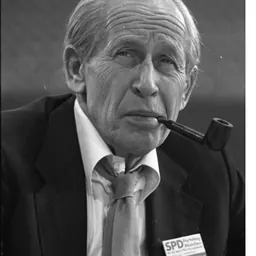
People whose lives overlapped Ahmad Zia Massoud's

Frequently asked questions
Who is Ahmad Zia Massoud?
Afghan politician
When was Ahmad Zia Massoud born?
Ahmad Zia Massoud was born on 1 May 1956 in Ghazni Province.
What is Ahmad Zia Massoud's occupation?
Ahmad Zia Massoud is a diplomat and politician.
What nationality is Ahmad Zia Massoud?
Ahmad Zia Massoud is Afghan.
Sources & further reading
· Wikipedia: Ahmad Zia Massoud
Cite this page
APA: Biography.guide. (2026). Ahmad Zia Massoud. https://biography.guide/ahmad-zia-massoud/
MLA: "Ahmad Zia Massoud." Biography.guide, https://biography.guide/ahmad-zia-massoud/.
Chicago: "Ahmad Zia Massoud." Biography.guide. https://biography.guide/ahmad-zia-massoud/.
Data last updated: 2026-09-22 · Spot an error? Report a correction.
Portrait: Wikimedia Commons · author & licence
Page generated 2026-09-27 05:02 UTC