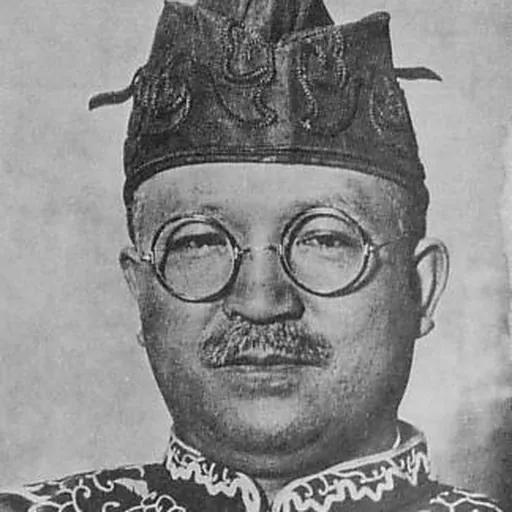
About Tatsuji Fuse
Lived 1880 – 1953 (aged 72). Tatsuji Fuse was a Japanese lawyer and prosecutor, known for Korean independence movement.
was a Japanese lawyer and social activist.
Months after the beginning of his career, Fuse became disillusioned with the Japanese government and legal system. He began devoting himself to social causes and the defense of underprivileged groups in Japan. This included farmers, women, sex workers, and ethnic minorities, especially Korean people. Fuse eventually began taking hundreds of cases per year, sometimes free of charge, in defense of these groups.
Fuse is remembered fondly in Korea as a Korean independence activist and the foremost defender of the rights of Koreans during and shortly after the Japanese colonial period. He was involved in a significant proportion of historic cases involving Koreans in Japan. This includes trials surrounding the February 8 Declaration of Independence, the trials of Pak Yol and Kaneko Fumiko, and trials in the aftermath of the Kantō Massacre. His activities drew the ire of Japanese authorities; he was arrested on a number of occasions and disbarred in 1939. Soon after Japan surrendered at the end of World War II, Fuse resumed his practice of the law and defended numerous clients until his death in 1953.
In 2004, he became the first Japanese person to be awarded the Order of Merit for National Foundation by the South Korean government.
Early life and education Fuse was born in the rural , He was the second son of farmer . In his letter of resignation, Fuse described the behavior of the prosecution as "wolf-like" in a case that he worked on, in which a mother was charged with murder after killing her child and attempting suicide. On average, he appeared in court around four times per day. The most he appeared in court in a single month was 135 times, and the fewest was 90 times. Thereafter, he represented the Japan Communist Party in the wake of the March 15 incident and April 16 incident.
In 2004, he was posthumously award the South Korean Order of Merit for National Foundation. He was the first Japanese national in history to receive this honor.
Fuse is remembered fondly in South Korea. Lee Gyu-su , writing for the Monthly Chosun, claimed that Fuse has been called the "Japanese Schindler", after Oskar Schindler, who assisted Jewish people in Nazi Germany.
Don’t just read it —
keep it.
Full-length biographies made to live with: read them, listen on the way to work, watch them tonight.
- E-book
- Audio
- Video
Instant download · yours to keep · every purchase keeps this site free
Important facts
People in Tatsuji Fuse's life
Named in this biography and alive at the same time
Related people
Same field, nearest in time

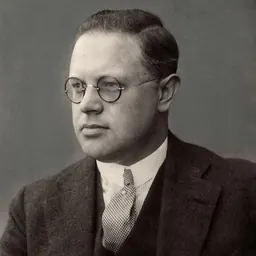
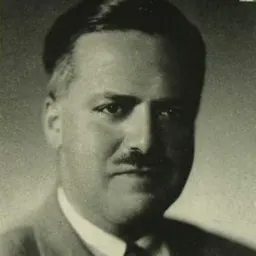
Contemporaries
People whose lives overlapped Tatsuji Fuse's

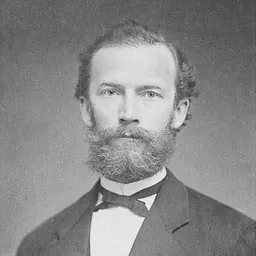

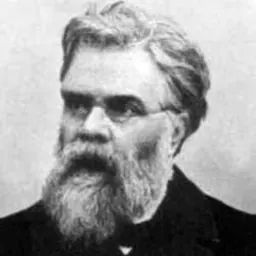


Frequently asked questions
Who was Tatsuji Fuse?
Japanese lawyer (1880–1953)
When was Tatsuji Fuse born?
Tatsuji Fuse was born on 13 November 1880 in Hebita.
When did Tatsuji Fuse die?
Tatsuji Fuse died on 13 September 1953.
What was Tatsuji Fuse's occupation?
Tatsuji Fuse was a lawyer and prosecutor.
What was Tatsuji Fuse known for?
Tatsuji Fuse was known for Korean independence movement.
What nationality was Tatsuji Fuse?
Tatsuji Fuse was Japanese.
Sources & further reading
Cite this page
APA: Biography.guide. (2026). Tatsuji Fuse. https://biography.guide/tatsuji-fuse/
MLA: "Tatsuji Fuse." Biography.guide, https://biography.guide/tatsuji-fuse/.
Chicago: "Tatsuji Fuse." Biography.guide. https://biography.guide/tatsuji-fuse/.
Data last updated: 2026-09-23 · Spot an error? Report a correction.
Portrait: Wikimedia Commons · author & licence
Page generated 2026-09-27 05:07 UTC