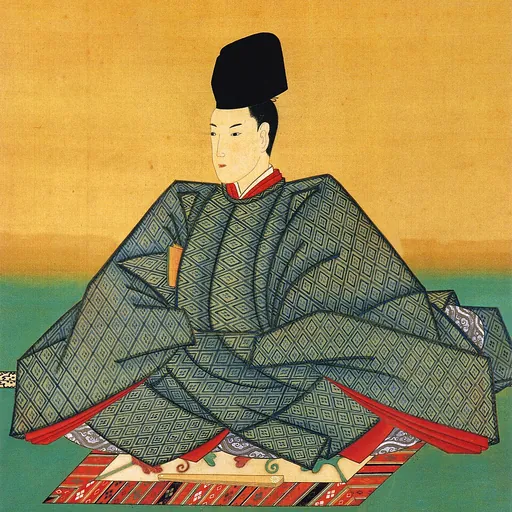
About Sakuramachi
Lived 1720 – 1750 (aged 30). Sakuramachi was a Japanese sovereign.
was the 115th emperor of Japan, according to the traditional order of succession. He was enthroned as Emperor in 1735, a reign that would last until 1747 with his abdication. As with previous Emperors during the Edo period, the Tokugawa shogunate had control over Japan.
The Emperor's role was a religious figure who performed limited duties. This changed when Sakuramachi was granted permission from the Shōgun to restore some Imperial rites. Ceremonies such as the Harvest Festival that had previously been absent for over 250 years were now allowed. Sakuramachi had one wife and a concubine with whom he fathered 4 children. His first son would go on to become Emperor Momozono, while his second daughter would later be Empress Go-Sakuramachi. Sakuramachi died on 28 May 1750, which was almost three years after his abdication.
Events of Sakuramachi's life Early life Before Sakuramachi's ascension to the Chrysanthemum Throne, his personal name (imina) was . Teruhito was born on 8 February 1720 and was the firstborn son of Emperor Nakamikado, he was also said to be the reincarnation of Prince Shōtoku. Teruhito's Imperial family lived with him in the Dairi of the Heian Palace. Events during Teruhito's early life included Edo becoming the world's largest city in 1721, with a population of 1.1 million people. On 17 July 1728, Teruhito was named crown prince and held the pre-accession title of Waka-no-miya (若宮). The only other major event to occur afterwards was a disaster in 1732–33 called the Kyōhō famine. This event was caused by swarms of locusts that devastated crops in agricultural communities around the inland sea.
Reign Prince Teruhito acceded to the throne on 13 April 1735 as Emperor when his father abdicated in his favor, the era's name was changed from Kyōhō to Genbun to mark this event. While he held the political title of Emperor, it was in name only as the shoguns of the Tokugawa family controlled Japan. With the support of Tokugawa Yoshimune though, Sakuramachi worked for the restoration of some Imperial rites. Two of the first reinstated ceremonies were brought back in the form of rice offerings. is a rice-offering by a newly enthroned Emperor, while is a rice-offering by the Emperor. In 1738, the Emperor performed Esoteric Shinto rituals known as . The provinces of Musashi, Kōzuke, Shimotsuke, and Shinano all had noteworthy devastation from a major flood that occurred in 1742. In Heian-kyō, the Sanjo Bridge was also washed away in this destructive storm cycle. During the close of the Kanpō era, a comet was seen and recorded in the Nihon Ōdai Ichiran, a consensus by later researches state that the comet was likely C/1743 X1 (De Cheseaux). The fourth and final era during Sakuramachi's reign began in 1744, and was called Enkyō (meaning "Becoming Prolonged"). This new era was created to mark the start of a new 60-year cycle of the Chinese zodiac. The last two major events during Sakuramachi's reign occurred in 1745, when Tokugawa Ieshige became the new shogun. The first establishment of a market fair in the capital was to be found at Hirano Shrine in Ōmi Province, while in Edo a great fire swept through the city. Sakuramachi died on 28 May 1750 which was almost three years after his abdication.
Other events While the Emperor had no say, a major milestone occurred in Japanese monetary history when the shogunate published an edict in 1736 regarding coinage. This edict declared that henceforth, authorized coinage in the empire would be those copper coins which were marked on the obverse with the character 文 (Genbun, also pronounced bun in Japanese). The practice of placing the name of the era on coinage continues to present day with .
Eras and Kugyō The years of Sakuramachi's reign are more specifically identified by more than one era name or nengō. While Kugyō (公卿) is a collective term for the very few most powerful men attached to the court of the Emperor of Japan in pre-Meiji eras. Even during those years in which the court's actual influence outside the palace walls was minimal, the hierarchic organization persisted. In general, this elite group included only three to four men at a time. These were hereditary courtiers whose experience and background would have brought them to the pinnacle of a life's career.
The following eras occurred during Sakuramachi's reign: Kyōhō (1716–1736) Gembun (1736–1741) Kanpō (1741–1744) Enkyō (1744–1748)
During Sakuramachi's reign, this apex of the Daijō-kan included: Sadaijin Udaijin Naidaijin Dainagon
Genealogy
Emperor Sakuramachi's family included at least 3 children who were born to 2 consorts:
Spouse PositionName Birth Death Father Issue Chūgū 1716 1790 Nijō Yoshitada First daughter: Imperial Princess NorikoSecond daughter: Imperial Princess Toshiko(later Empress Go-Sakuramachi)
Concubine Name Birth Death Father Issue 1717 1789 Anegakōji Sanetake First son: Imperial Prince Toohito(later Emperor Momozono)
Issue Emperor Sakuramachi fathered a total of 3 children with a wife and a concubine.
Status Name Birth Death Mother Marriage Issue First daughter 1737 1746 Nijō Ieko Second daughter (later Empress Go-Sakuramachi) 1740 1813 Nijō Ieko First son (later Emperor Momozono) 1741 1762 Anegakōji Sadako Ichijō Tomiko Imperial Prince Hidehito(later Emperor Go-Momozono)Imperial Prince Fushimi-no-miya Sadamochi
Ancestry
Don’t just read it —
keep it.
Full-length biographies made to live with: read them, listen on the way to work, watch them tonight.
- E-book
- Audio
- Video
Instant download · yours to keep · every purchase keeps this site free
Important facts
Family & relationships
People in Sakuramachi's life
Named in this biography and alive at the same time




Related people
Same field, nearest in time


Contemporaries
People whose lives overlapped Sakuramachi's




Frequently asked questions
Who was Sakuramachi?
emperor of Japan (1720-1750)
When was Sakuramachi born?
Sakuramachi was born on 8 February 1720 in Kyoto.
When did Sakuramachi die?
Sakuramachi died on 28 May 1750 in Kyoto.
What was Sakuramachi's occupation?
Sakuramachi was a sovereign.
What nationality was Sakuramachi?
Sakuramachi was Japanese.
Sources & further reading
· DBpedia: Emperor Sakuramachi
Cite this page
APA: Biography.guide. (2026). Sakuramachi. https://biography.guide/sakuramachi/
MLA: "Sakuramachi." Biography.guide, https://biography.guide/sakuramachi/.
Chicago: "Sakuramachi." Biography.guide. https://biography.guide/sakuramachi/.
Data last updated: 2026-09-23 · Spot an error? Report a correction.
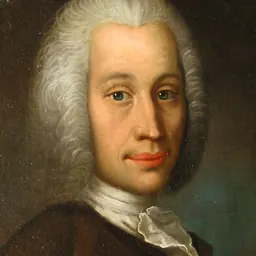
Portrait: Wikimedia Commons · author & licence
Page generated 2026-09-27 05:06 UTC