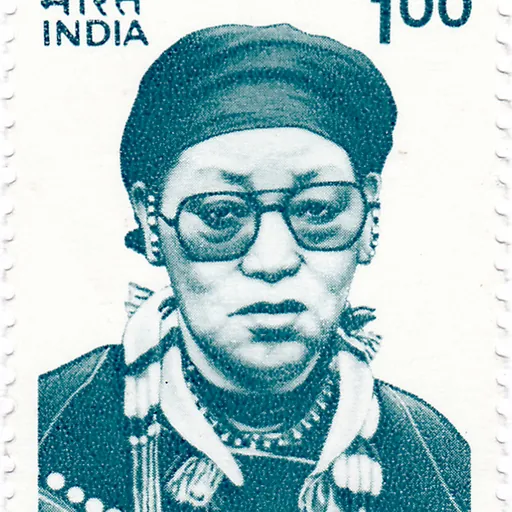
About Rani Gaidinlu
Lived 1915 – 1993 (aged 78). Rani Gaidinlu was an Indian academic, activist, rebel and zeliangrong, known for British Raj.
Gaidinliu Pamei (26 January 1915 – 17 February 1993) popularly known as Rani Gaidinliu was an Indian Naga spiritual and political leader who led a revolt against British rule in India. At the age of 13, she joined the Heraka religious movement of her cousin Haipou Jadonang. The movement later turned into a political movement seeking to drive out the British from Manipur. Within the Heraka faith, she came to be considered an incarnation of the Goddess Cherachamdinliu. Gaidinliu was arrested in 1932 at the age of 16, and was sentenced to life imprisonment by the British rulers. Jawaharlal Nehru met her at Shillong Jail in 1937, and promised to pursue her release. Nehru gave her the title of "Rani" ("Queen"), and she gained local popularity as Rani Gaidinliu.
She was released in 1947 after India's independence, and continued to work for the upliftment of her people. An advocate of the ancestral religious practices, she staunchly resisted the conversion of her community to Christianity. She was honoured as a freedom fighter and was awarded a Padma Bhushan by the Government of India.
Early life
Gaidinliu Pamei was born on 26 January 1915 at Nungkao (or Longkao) village in the present-day Tousem sub-division of Tamenglong District, Manipur to a Rongmei Naga family. She was the fifth of eight children, including six sisters and a younger brother, born to Lothonang Pamei and Kachaklenliu. The family belonged to the ruling clan of the village. She did not have a formal education due to the lack of schools in the area.
Rebellion and incarceration
The British arrested and killed Jadonang by hanging on 29 August 1931 in Imphal. He was charged for treason due to the death of four Meitei traders in Longkao over violation of a social taboo; Jadonang had no role in the killings.
She openly rebelled against the British raj, exhorting the Zeliangrong people not to pay taxes. She received donations from the local people, many of whom also joined her as volunteers. The British authorities launched a manhunt for her. She evaded arrest by the police, moving across villages in what are now Assam, Nagaland and Manipur. The Governor of Assam dispatched the 3rd and 4th battalions of the Assam Rifles against her, under the supervision of the Naga Hills Deputy Commissioner JP Mills. Monetary rewards were declared for information leading to her arrest: this included a declaration that any village providing information on her whereabouts will get a 10-year tax break. Her forces engaged the Assam Rifles in armed conflicts in the North Cachar Hills (16 February 1932) and the Hangrum village (18 March 1932). Most of her associates were either executed or jailed.
She established a tribal organization named Kabni Samiti in 1934.
From 1933 to 1947 she served time at the Guwahati, Shillong, Aizawl and Tura jails. Many rebels proclaimed her and Jadonang to be their inspiration in refusing to pay taxes to the British. However, her movement declined after the last of her followers, Dikeo and Ramjo, were arrested in 1933. Jawaharlal Nehru met her at the Shillong Jail in 1937 and he promised to pursue her release. His statement, published in the Hindustan Times, described Gaidinliu as a "daughter of the hills" and he gave her the title 'Rani' or Queen of her people. Nehru wrote to the British MP Lady Astor to do something for the release of Rani Gaidinliu but the Secretary of State for India rejected his request stating that trouble may rise again if Rani was released.
In 1966, after six years of hard underground life in old age, under an agreement with the Government of India, Rani Gaidinliu came out from her jungle hideout to work for the betterment of her people through peaceful, democratic and non-violent means. She went to Kohima on 20 January 1966, and met the Prime Minister Lal Bahadur Shastri in Delhi on 21 February 1966, demanding the creation of a separate Zeliangrong administrative unit. On 24 September 320 of her followers surrendered at Henima. Some of them were absorbed into the Nagaland Armed Police. and the Vivekananda Seva Award (1983).
The Governor of Manipur, Chintamani Panigrahi, the Home Secretary of Nagaland, officials from Manipur and many people from all parts of the North Eastern region attended her funeral at her native village. In Imphal, the Chief Minister of Manipur R.K. Dorendra Singh, Deputy Chief Minister, Rishang Keishing and others paid floral tributes and a general holiday was declared by the State Government.
Rani Gaidinliu was also conferred the Birsa Munda Award posthumously. The Government of India issued a postal stamp in her honour in 1996. The Government of India issued a commemorative coin in her honour in 2015.
Legacy
Because of the Heraka movement's hostility towards Christianity, Gaidinliu's heroics were not acknowledged highly among the Nagas, most of whom had converted to Christianity by the 1960s. The Naga nationalist groups don't recognize her either, because she was considered close to the Government of India. When the Hindu nationalist Sangh Parivar aligned with the Heraka movement in the 1970s, the perception that she was a promoter of Hinduism grew stronger among the Christian Nagas.
In 2015, when the Central government and T. R. Zeliang's state government decided to construct a Gaidinliu memorial hall, several civil society organizations in the Nagaland state opposed the move.
Don’t just read it —
keep it.
Full-length biographies made to live with: read them, listen on the way to work, watch them tonight.
- E-book
- Audio
- Video
Instant download · yours to keep · every purchase keeps this site free
Important facts
People in Rani Gaidinlu's life
Named in this biography and alive at the same time



Related people
Same field, nearest in time

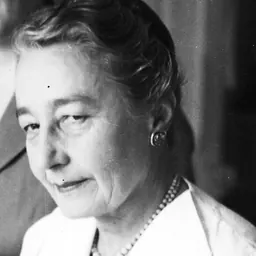


Contemporaries
People whose lives overlapped Rani Gaidinlu's
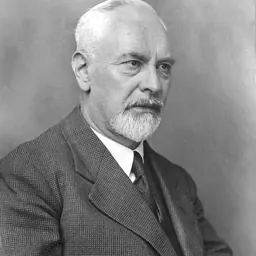




Frequently asked questions
Who was Rani Gaidinlu?
Indian independence activist (1915–1993)
When was Rani Gaidinlu born?
Rani Gaidinlu was born on 26 January 1915 in British Raj.
When did Rani Gaidinlu die?
Rani Gaidinlu died on 17 February 1993 in Manipur.
What was Rani Gaidinlu's occupation?
Rani Gaidinlu was an academic, activist, rebel and zeliangrong.
What was Rani Gaidinlu known for?
Rani Gaidinlu was known for British Raj.
What nationality was Rani Gaidinlu?
Rani Gaidinlu was Indian.
Sources & further reading
Cite this page
APA: Biography.guide. (2026). Rani Gaidinlu. https://biography.guide/rani-gaidinlu/
MLA: "Rani Gaidinlu." Biography.guide, https://biography.guide/rani-gaidinlu/.
Chicago: "Rani Gaidinlu." Biography.guide. https://biography.guide/rani-gaidinlu/.
Data last updated: 2026-09-22 · Spot an error? Report a correction.
Portrait: Wikimedia Commons · author & licence
Page generated 2026-09-27 05:01 UTC