
About Nicanor Abelardo
Lived 1893 – 1934 (aged 41). Nicanor Abelardo was a Filipino composer.
Nicanor Santa Ana Abelardo (February 7, 1893 – March 21, 1934) was a Filipino composer known for his kundiman songs.
Biography
Early life
Nicanor Abelardo was born in San Miguel de Mayumo, Bulacan to Valentin Abelardo and Placida Santa Ana, on February 7, 1893 His mother belonged to a family of artists in Guagua, the Henson. He was introduced to music when he was five years old when his father taught him solfeggio, the bandurria, and the guitar at 6. His quick mastery of the instruments made him a local prodigy. He could play his father's arrangement of Rossini's "William Tell Overture" on the guitar at age 6. He also learned the violin and other string instruments given to him by his father, and learned how to play quickly without much difficulty. In 1901, he wrote his first composition, "Ang Unang Buko", and dedicated it to his grandmother.
In 1902, Nicanor's uncle, the painter Juan Abelardo, took him to Manila to attend several schools. During this time Nicanor became the favorite among the haranistas who admired his skill at such a young age. This was also the time when he learned how to play the piano. He saw a piano for the first time at a factory of one of his uncle's clients, and immediately taught himself how to play it. By the time his uncle's job was finished, he could already play an air on the piano. The household was even more surprised when he started accompanying his cousin's singing on the piano. This led his uncle to enroll him into private voice lessons under Enrico Capozzi, who was so impressed by Nicanor's abilities that he refused to accept any fee whatsoever. The same thing also happened when he started formally studying Bandurria under Jose Silos. By this time he was 13 years old, the famed pianist Francisco Buencamino took note of his skill in playing the piano, and helped him take a job at a saloon as a pianist.
However, in 1907, he returned to his hometown and finished his 6th grade there after which he was teaching music in various barrio schools around town. but after a year he went back to Manila permanently.
Time in Manila In 1908 he returned to Manila and took employment in various small theaters and cinemas. He soon climbed up to the bigger and better-class theaters in the city. He eventually became the leader of Cine Majestic Orchestra, an orchestra from a famous cinema. During this time he met Sixta Naguiat at a cinema, who would become his wife in later years.
Career In 1916, Abelardo entered the newly-established University of the Philippines Conservatory of Music, taking courses under Guy F. Harrison and Robert Schofield. During his studies, he composed the melody of the university's official anthem, U.P. Naming Mahal in 1917. The Conservatory instantly noticed his musical ability and by 1918, he was appointed assistant instructor in solfeggio and harmony. He took lessons in piano under Jose Estella, violin under Bonifacio Abdon, and voice under Victorino Carrion. He continued conducting cinema orchestras and playing the piano at saloons and cabarets during this time, and this is also the time when he began to drink alcohol. in 1921 he finally received his degree in science and composition, and thereafter took a post-graduate course which he finished the next year. In 1924 he became head of the composition department of the conservatory, and at night taught private music lessons to some prominent families.
He wrote most of his important works while teaching at the conservatory. His graduation piece, a Piano Sonata in G Major, was the first Sonata made by a Filipino composer and his post-graduate piece, the Piano Concerto in B-flat minor, was the first concerto made by a Filipino composer. Almost all of his kundiman was written during his time as well.
He asked a leave of one year because "There is a greater demand in my activities which demand my whole personal attention." He resigned his post in 1930 only to be reinstated in the same year. In 1931 he received a grant to pursue advanced musical studies abroad. He accepted the offer despite his little savings, seeing his bright prospects in the future.
Alcoholism Abelardo began to drink in the early 1920s, and from that time onward, he did not pass a day without drinking alcohol. In later years, his alcoholism became uncontrollable which affected his life. In one instance in 1923 he directed the Jazz Band at the Manila Hotel with himself at the piano, or he picked such instruments as he pleased. This greatly amused the people, but he did not stay long because he had lost control of his drinking, and became hospitalized for a month because of it. Another instance occurred while he was rehearsing the Santa Ana Cabaret Orchestra; the manager found him in a corner drunk with a bottle of booze at one hand, which led him to be dismissed from the job. However the manager reinstated him, as no one could lead the orchestra as well as him.
Studies in Chicago In May 1931 he left Manila for Chicago and enrolled at the Chicago Musical College under Wesley LaViolette. During this time he was influenced by the musical innovations of the Second Viennese School, Hindemith, and other post-romantic composers of Europe. In barely a month he fully absorbed the new musical style he was exposed to, as evident in his Violin Sonata which he had written in 3 weeks after he started studying there. His music became popular in the college and with his Cinderella Overture, he was granted the LaViolette Scholarship award. He received his master's in 1932 and returned to the Philippines.
Later years He resumed his teaching at the Conservatory after returning to Manila. While he was in Chicago, his family ran a boarding house near the conservatory to support him. He eventually ran the boarding house himself when he returned. The boarding house was nicknamed "The Little Conservatory" because he would teach the students there at night, among them the composers Lucino Sacramento and the future National Artist Antonino Buenaventura. His final large complete work, Requiem, was written in 1934 in memory of the composer Marcelo Adonay.
Death On March 19, 1934, he went to the Philippine General Hospital for a surgical operation. He died on March 21, 1934, because of heart failure due to alcoholic causes. He was buried at the La Loma Cemetery on March 25, 1934 with a Rose Croix Ceremonial. He left behind various sketches of unfinished music, among them a symphony and an opera.
Legacy N. Abelardo Hall (UP Diliman).Abelardo, along with Francisco Santiago, is known for redefining the kundiman, bringing the form to art-song status. Abelardo's kundiman songs, such as "Mutya ng Pasig", "Nasaan ka, Irog?", and "Bituing Marikit" proved to be popular among the Filipino people, and his compositions are regularly played in concerts in the Philippines.
His cousin Richard Abelardo made a film in 1950 called "Mutya ng Pasig" which is based on Abelardo's kundiman of the same name.
The main theater of the Cultural Center of the Philippines and the building housing the College of Music in UP Diliman (Abelardo Hall) were named in his honor and memory.
List of works In E. Arsenio Manuel's Biography of Abelardo (1955), Manuel lists 149 works. Some works not included in Manuel's 1955 list is included here. His famous or important works are highlighted below. + Compositions of Nicanor Abelardo
Opus
Status 1901 Ang Unang Buko Waltz, Bandurria solo Dedicated to his Grandmother Macaria Libunao Lost 1905 Filipino Boy Two-step 1909 Baanag at Lakas Band, March Dedicated to the Confederacion Bulakeña Published 1911 Lucila Sarswela In 3 parts. libretto by Florentino Ballecer. 1913 Akibat Sarswela In 1 Act. libretto by Florentino Ballecer. Libretto only 1915 July 2 Sa Bubungan Play In 1 act. unknown librettist 1915 Dalawang Pag-asa Play In 1 act. libretto by Florentino Ballecer 1916/1917 Amorosa Vocal, Foxtrot Spanish Lyrics by Jesus Balmori Published 1917 U.P. Beloved Vocal Winner of the University Hymn competition. English Lyrics by Teogenes Velez Published 1918 April 28 Kapabayaan/Bunga ng Masamang Hilig Sarswela In 1 act. Tagalog Text by Felix Auxilio Roxas 1918 April 28 Kawanggawa Sarswela In 1 act. Tagalog Text by Felix Auxilio Roxas 1920 Kung Hindi Man Vocal, Kundiman Tagalog Lyrics by the composer, English Translation by Atilano Montesa Published 1921 Academic Overture Piano, Orchestral Originally for 2 pianos, later arranged by Antonino Buenaventura for orchestra. Ms. 1921 An Old Love Song Vocal Adopted from Dowland's Songbook 1921 String Quartet in F Major Chamber 1, no. 1 for String Quartet. In 4 movements: Allegro, Andante, alla Minueto, Rondo: Allegro Moderato. Lost 1921 Sonata in G Major Piano, Sonata 3, no. 1? In 3 movements: Allegro, Adagio, Presto. The first Piano Sonata made by a Filipino composer. It was submitted as a graduation piece. The work was lost. Lost 1921 Sonata in C Major Piano, Sonata 3, no. 2 In 3 movements: Allegro con moto, Adagio, Rondo: Allegro con moto quasi vivace. It was submitted as a graduation piece. Ms. 1921 Sonata Piano, Sonata 3, no. 3? In 4 movements: Allegro, Andante alla Minueto, Rondo, Allegro Moderato. Lost 1921 Longing Vocal, Chamber Quartet for three voices 1921 Fughetta in C on a Theme by Mozart Chamber for String Quartet Ms. 1921 Mountain Suite Orchestral In 4 movements: Ang Liwayway (Dawn), Sayaw ng mga Diwata (Dance of the Nymphs), Ang Matanda sa Punso (The Old Man of the Anthill), Ang Sayaw ng mga Ita (Negrito Dance) The material for this suite was reworked from his sarswela Akibat. Originally called Mountain Scenes. 1921 Ave Maria Vocal, Chamber, Sacred Published 1921 Nocturne Piano solo From Three Pieces for the Pianoforte Lost 1921 Valse Caprice Piano solo From Three Pieces for the Pianoforte Lost 1921 Fantasie-Impromptu Piano solo From Three Pieces for the Pianoforte Ms. copy 1921 The Violet Vocal a trio for 3 sopranos 1921 U.P. Spells "Up" Vocal from The First University Song Collection of the University of the Philippines. English text by Guy Potter Benton. Published 1921 Alma Mater U.P. Vocal from The First University Song Collection of the University of the Philippines. English text by Gerardo Monden. Published 1921 Conservatory Commencement Hymn Choral, Hymn from The First University Song Collection of the University of the Philippines. English text by Robert Schofield. Published 1921 Coronation March Orchestral, March written for the Carnival Queen Carmencita Prieto 1921 First Nocturne Piano solo Published 1921 Cavatina Chamber 7 for Violin and Piano. Published 1927 by Theodore Presser Co. Published 1921 Romanza Chamber 8 for Cello and Piano; dedicated to Antonio Molina. Published 1928 by Oliver Ditson Company Published 1921 Valse Caprice Piano solo dedicated to Pedro Eloriaga Lost 1922 Serenade Chamber for Cello and Piano 1922 Ang Aking Bayan Vocal Tagalog Lyrics by the composer Published 1922 Paraluman Vocal, Waltz Tagalog Lyrics by Mariano Velayo Published 1922 Valse in D-flat Piano Solo 11 Lost 1922 An Offertory to St. Cecilia Vocal, Sacred 1922 A Historical Pageant Band, Incidental Music Consists of an Overture and 12 other movements: I. Sight of the Ship, II-IV. Untitled, V. Dance of the Bolomen, VI. Untitled, VII. Shields and Spears, VIII. Untitled, IX. Kumintang Dance, X. Untitled XI. Pasodoble for Exit, XII. Blood Compact. Ms. 1922 Princess' Dance Piano Movement from A Historical Pageant arranged to piano. Published 1922 September 13 Initiation Song Vocal for the Rizal Center Fraternity 1922 Ang Mestisa Sarswela libretto by Ingracio Valmonte 1922 November 30 Bonifacio Song Vocal, March English Lyrics by Francisco Carballo 1923 Nasaan ka Irog Vocal, Kundiman Tagalos Lyrics by Nemestio Asistio, Spanish version by Jesus Balmori Published 1923 Kundiman Chamber for Violin and Piano Published 1923 Piano Concerto in B-flat minor Concerto 12 In 3 Movements: Allegro Moderato, Andante Romantico, Allegro Fantastico. It was the first Piano Concerto written by a Filipino Composer. Ms. copy 1923 Processional March Orchestral, March 1923 Capriccio Espagnole Chamber 15 for violin and piano Published 1923 Pearl of the Orient Band, March Recorded by the Baliuag Buenaventura Band in 1958 Ms. 1924 January 9 Wedding March Orchestral, March for the wedding anniversary of Marcelo Adonay 1924 March 29 Stabat Mater Vocal, Chamber, Sacred Ms. 1924 Meditation Harmonium solo 1924 Kundiman ng Luha Vocal, Kundiman Tagalog Lyrics by Jose Corazon de Jesus; Dedicated to Samahang Bulakan Published 1924 Petite Serenade Chamber for violin and piano 1924 December 30 Ultimo Adios Choral, Orchestral for Female Chorus and Orchestra; Composition based on a poem by Jose Rizal Published 1925 Magbalik ka, Hirang Vocal, Kundiman Tagalog Lyrics by Filomena Alcanar; Dedicated to Candida Moreno; with violin obbligato 1925 Pahimakas Vocal Tagalog Lyrics by Jose Corazon de Jesus; Dedicated to Jose Mossesgeld Santiago Published 1925 Canto del Viajero Vocal Composition based on a poem by Jose Rizal Published 1926 May 2 Dakilang Punglo Sarswela in 3 acts; libretto by Servando de los Angeles. 1926 Bituing Marikit Vocal, Danza Menor from the sarswela Dakilang Punglo Published 1926 Health Service Hymn Choral, Hymn for the Philippine Health Service, Manila 1926 Mutya ng Pasig Vocal, Kumintang Tagalog Lyrics by Deogracias A. Rosario, later arranged for orchestra by the composer Published 1927 Himno kay Plaridel Orchestral Manuscript copy for Voice and Piano exists dated August 20, 1927 Ms. copy 1928 Himutok Vocal, Kundiman Tagalog Lyrics by the composer Published 1928 Valse Extase Chamber, Waltz for saxophone and piano 1928 National Heroes' Day Hymn Choral, Hymn Lyrics by Alfredo B. German Published 1928 Into your Eyes Vocal, Ballad English lyrics by Paul R. Verzosa 1929 December 23 Balitaw Vocal, Ballad Visayan Lyrics by Ramon Abellanos, Tagalogg Byrics by the composer 1929 Pahiwatig Vocal, Danza Tagalog Lyrics by the composer. Dedicated to Clarita Tankiang Published 1929 Reverie Chamber for violin and piano 1929 Ang Dakilang Pagyayakap Vocal, Paso-doble Lyrics by Florentino Ballecer Published 1929 Ikaw Rin Vocal, Kundiman Tagalog Lyrics by the composer, Spanish version by Manuel Barnabe, Dedicated to Celedonia Ongpin Published 1929 December 23 Paalam sa Pagkakadalaga Folk Folk song arrangement 1929 December 23 Lulay Folk Folk song arrangement 1929 December 23 May Isang Bulaklak na Ibig Lumitaw Folk Folk song arrangement 1930 Kumintang ng Bayan Vocal, Kumintang Lyrics by the composer 1930 Kung ako'y Umibig Vocal, Kundiman Lyrics by the composer Published 1930 May Himno Masonico Choral, Hymn winner in a contest by the Grand Lodge of Manila 1930 Halika, Magandang Mutya Vocal, Serenade Lyrics by the composer 1930 Marcha Triunfal March Dedicated to Logia Isla de Luzon no. 57 1930 Sa Iyong Kandungan Vocal, Kundiman Tagalog Lyrics by the composer; Sugbuanon Lyrics by Manuel Velez Published 1930 Nasaan ang aking Puso Vocal, Kundiman Published 1930 Naku Kenkoy Vocal Tagalog Lyrics by Romulado G. Ramos Published 1930 April 17 Tayo'y Pakasal na Vocal, Sarswela A song from a sarswela by Servando de los Angeles 1930 Reminiscenes Vocal Favorite song of Isagani Velayo's grandmother transcribed by Abelardo. Tagalog Lyrics by Valentin Abelardo 1930 April 7 Ay Kalisud Folk, Foxtrot Arranged as a foxtrot for orchestra 1930 April 7 Batobato at Siniguelas Vocal, Sarswela additional song from a Tagalog Sarswela 1930 June 10 Anong Sarap mong Umibig Vocal, Sarswela additional song from a Tagalog Sarswela Dalawang Pag-asa by Florentino Ballecer 1930 Ang Puso ko'y Nalulumbay Vocal, Sarswela additional song from a Tagalog Sarswela Dakilang Punglo by Florentino Ballecer 1930 June 30 Ayokong Ayoko Vocal Music and Lyrics by Florentino Ballecer, harmonized by Abelardo 1930 June 21 Doon po sa Aming Bayan Vocal Music and Lyrics by Florentino Ballecer, harmonized by Abelardo 1930 June 21 Walang Palad sa Paggiliw Vocal A "Duo de Amor" 1930 June 21 Ang Dagat na Malawak Vocal A Barcarole 1930 June 21 Ang Babae kung Pangit Vocal Music and Lyrics by Florentino Ballecer, harmonized by Abelardo 1930 June 21 Pag-ibig na Walang Hanggan Vocal A duet 1930 July 12 Hoy-hoy Vocal 1930 July 12 May Isang Dalagang Nanggaling sa Bukid Vocal 1930 July 12 Ayaw sa Pusa Vocal An "Awit Lansangan" Music and by Florentino Ballecer and Abelardo; Lyrics by Ballecer 1930 July 12 Sa Gintong Panaginip Vocal, Kumintang Lyrics by Florentino Ballecer 1930 July 12 Sa Pugad ng Paggiliw Vocal Music and Lyrics by Florentino Ballecer, harmonized by Abelardo 1930 July 12 Kaiingat Ka Vocal Music and Lyrics by Florentino Ballecer, harmonized by Abelardo 1930 July 12 Sa Bayang Marungko Vocal Music and Lyrics by Florentino Ballecer, harmonized by Abelardo 1931 January 10 Intermezzo Band Awarded First Prize and gold medal at the 1931 Philippine Carnival Contest, entered under the pseudonym "Batong-Buhay" 1931 January 10 Valse Elegante Band Awarded First Prize at the 1931 Philippine Carnival Contest, entered under the pseudonym "Araw" 1931 February Ang Likha ni Pierrot/Batik ng Kabihasnan Sarswela libretto by Florentino Ballecer 1931 March 5 Buhay ng Binata't Dalaga Vocal Dialogue by Danding Gabriel 1931 March 5 Bibingka't Langgunisa Vocal Dialogue by Danding Gabriel 1931 June 5 Waltz Waltz written in Chicago 1931 June Fugue for String Quartet Chamber written in Chicago 1931 June 28 The Flower and the Bird Chamber, Caprice written in Chicago; for flute, violin, and piano 1931 July 5 A Summer Idyll Chamber written in Chicago; for violin, clarinet, and piano 1931 July 22 A Naughty Nymph Chamber, polka written in Chicago; for flute and piano 1931 July 28 Fifes and Castagnettes Chamber, Bolero written in Chicago; for flute and piano 1931 September 7 Violin Sonata Chamber written in Chicago; In 3 movements: Allegro, Andante, Allegro con moto. The first movement was finished on July 13, 1931. Ms. 1931 November 25 Cinderella Overture Orchestral, Overture written in Chicago; this piece won him the LaViolette Scholarship Award Ms. 1931 November 25 Sinfonietta for String Orchestra Orchestral written in Chicago Ms. 1931 November Panoramas Chamber written in Chicago; for flute, violin, viola, celesta, and piano Ms. 1932 January 8 Second Fugue for String Quartet Chamber written in Chicago Ms. 1932 June Symphony Orchestral written in Chicago; unfinished; intended to be his graduate piece but he chose Sonata for String Quartet instead. Lost 1932 June 6 Sonata for String Quartet Chamber written in Chicago; offered as graduate composition 1932 October 7 A Study in Kumintang Chamber for Piano and String Quartet; Dedicated for the wedding anniversary of Hon. Noberto Romualdez Ms. 1932 Salve Regina Mater Vocal, Chamber, Sacred for Soprano, baritone, and trio 1932 Visayan Caprice Chamber for violin, cello, and piano Published 1932 Emilio Jacinto Vocal English lyrics by Francisco Carballo 1932 Song of the Lonesome Traveller Vocal Published 1933 Spirit of '96 Overture for Band 1933 National Institute Song Vocal 1933 Himig ng bayan Chamber, Overture for String Band. Composed for the Doce Estrellas Society of Licab, Nueva Ecija 1933 Carola Foxtrot a tango-foxtrot 1934 January Dawn Dance A dance composed for a Pageant titled "The Triumph of Eros" held by the University of the Philippines on February 6, 1934. Instrumentation by Antonino Buenaventura. 1934 March 15 Panghanga Vocal, Kundiman dedicated to Carnival Queen Clarita Tankiang 1934 Requiem Choral, Orchestral, Sacred Composed in memory of Marcelo Adonay. Lost 1934 Florante at Laura Opera unfinished Lost undated Violin Concerto Concerto unfinished; Exists as Violin and Piano; one movement completed and arranged by Antonio Molina for violin and orchestra Exact date of composition unknown, but stylistic analysis of the work has estimated the composition date to be roughly 1920. Ms. copy undated Rondo and Double Fugue Orchestral unfinished. Jovita Fuentes Joseph Legaspi
Nati de Arellano December 7, 1929 Jose Mossesgeld Santiago William Lim 2013 Sylvia la Torre Nati de Arellano June 28, 1929 Conching Rosal Arrigo Pola 1951 Jose Mossesgeld Santiago Katrina Saporsantos 2013
Jose Mossesgeld Santiago Joseph Legaspi 2013
Don David Conching Rosal William Lim 2013
Sylvia la Torre William Lim 2013 Footnotes
Don’t just read it —
keep it.
Full-length biographies made to live with: read them, listen on the way to work, watch them tonight.
- E-book
- Audio
- Video
Instant download · yours to keep · every purchase keeps this site free
Important facts
People in Nicanor Abelardo's life
Named in this biography and alive at the same time
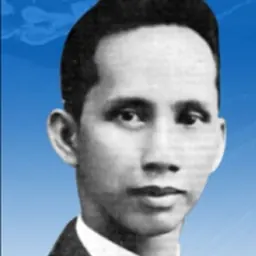

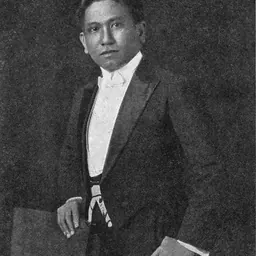




Related people
Same field, nearest in time

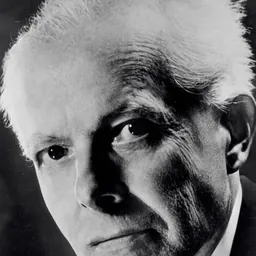


Contemporaries
People whose lives overlapped Nicanor Abelardo's


Frequently asked questions
Who was Nicanor Abelardo?
Filipino composer (1893–1934)
When was Nicanor Abelardo born?
Nicanor Abelardo was born on 7 February 1893 in San Miguel.
When did Nicanor Abelardo die?
Nicanor Abelardo died on 21 March 1934 in San Juan De Dios Educational Foundation.
What was Nicanor Abelardo's occupation?
Nicanor Abelardo was a composer.
What nationality was Nicanor Abelardo?
Nicanor Abelardo was Filipino.
Sources & further reading
Cite this page
APA: Biography.guide. (2026). Nicanor Abelardo. https://biography.guide/nicanor-abelardo/
MLA: "Nicanor Abelardo." Biography.guide, https://biography.guide/nicanor-abelardo/.
Chicago: "Nicanor Abelardo." Biography.guide. https://biography.guide/nicanor-abelardo/.
Data last updated: 2026-09-20 · Spot an error? Report a correction.
Page generated 2026-09-27 05:17 UTC