
Michael Bille
Officer in the Danish Royal Navy during the Great Northern War
About Michael Bille
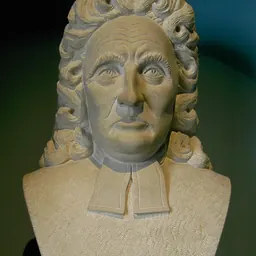
Lived 1680 – 1756 (aged 75–76). Michael Bille was a Danish naval officer.
Vice-Admiral Michael Bille (14 May 1680 – 2 May 1756) was a Royal Dano-Norwegian Navy officer who served in the Great Northern War. He was commissioned as a junior lieutenant in 1699, advancing steadily to become Vice Admiral when he retired in 1737.
Family Born 14 May 1680, the younger son of Colonel Steen Andersen Bille and brother to Just Anderson Bille, Michael (Mikkel or Michel) Bille was uncle to one Danish admiral—Rear Admiral Daniel Ernst Bille (1711–1790)—and father and grandfather to two more, viz Rear Admiral Bendix Lasson Bille (1723–1784) and Rear Admiral Michael Johannes Petronius Bille (1769–1845).
In 1702–1703 he served in the Dutch navy and in 1705–1706 was recruiting officer for West Jutland. With further promotion in 1707 he was given the responsibility of moving and improving the lighthouse on the island of Anholt. In 1708 Bille was again in the service of the Royal Dutch Navy for a short while. On his journey to Holland his vessel had been “visited” by pirates who took whatsoever they wanted.
On return, after serving on the 50-gun Stiernen, Bille became captain of the frigate Ørnen in the Baltic on whose cruise he reported in September 1709. he served in Gyldenløve's fleet, and later under Admiral Raben at the action of 30 September near Rügen. During the battle one of his ship's cannons exploded killing and wounding some of his crew (an event which was to recur on the same ship a few years later). (the mermaid) in the Baltic fleet Bille was then ordered, in January 1716, to take charge of the sea batteries off Copenhagen.
In 1721, Bille was sent with the Snow Hummeren (the lobster) to Danzig and Riga to buy and load a cargo of hemp for the fleet. In consideration of the many extra expenses he incurred on this voyage in the monarch’s interest, he was awarded a special daily allowance plus the services of a personal secretary and a servant.
In 1723, Bille flew his flag in Nordstiernen with a squadron of seven ships-of-the-line and a number of lesser ships. In 1725, he complained to the king about “the secret commission” - a whispering campaign against him in the royal court. Such complaints of dishonourable conduct were dismissed as unfounded. In the same year, he commanded a squadron of ten ships-of-the-line until it was recalled and the ships laid up on the grounds that the danger of war was past.
The following year (1726), he sailed with eight ships-of-the-line and four frigates, again flying his flag in Nordstiernen, under sealed orders. Many of the fleet were in poor condition, dilapidated and leaky. Together with a similar sized British squadron they instituted a blockade of the Russian fleet in Reval (modern day Tallinn). One of his ships, HDMS Ebenetzer sprang a leak and was sent home with the frigate Søridderen, whilst his former command HDMS Beskiermeren ran aground at the approaches to Reval and was rescued only by the timely attention of the English admiral. The blockade of Reval began on 7 July 1726 until the approach of winter demanded withdrawal. October storms ravaged the fleet and separated many of the ships from each other. When they reached Danzig for repairs before sailing on to Copenhagen there was much sickness aboard (scurvy and pneumonias). The investigations by the Danish Admiralty into all the accidents and poor management of the 1726 campaign were to reverberate for the next three years.
From 1729 to 1735, he was head of the naval shipyard at Holmen. It was after this period that the head of the Danish navy, Count F Danneskjold-Samsøe instituted the court martial process against fabrikmester Knud Benstrup in relation to the building of HDMS Christianus Sixtus, during which Bille was found to have been negligent in the performance of his duties and lost the confidence of the Danish King, Christian VI. In consideration of Bille's previous good service, court martial proceedings were not called for against him, but the monarch took a strong interest in the case and, in 1737, had Bille retired from the service with the rank and pension of Vice Admiral.
Retirement Bille retired quietly to Holbæk where he died on 2 May 1756, twelve days before his 76th birthday. His body was transferred to the chapel of the naval Church of Holmen on 29 May that year.
Don’t just read it —
keep it.
Full-length biographies made to live with: read them, listen on the way to work, watch them tonight.
- E-book
- Audio
- Video
Instant download · yours to keep · every purchase keeps this site free
Important facts
People in Michael Bille's life
Named in this biography and alive at the same time
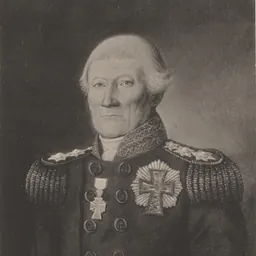
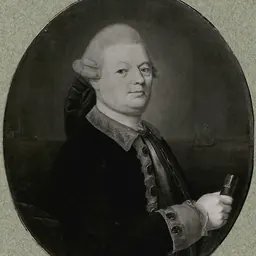

Related people
Same field, nearest in time


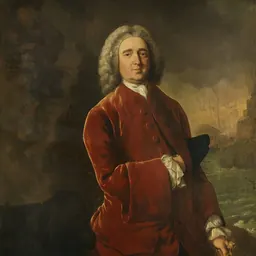

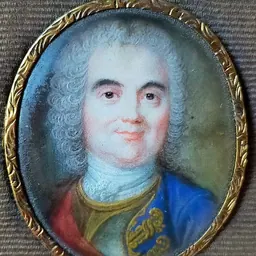
Contemporaries
People whose lives overlapped Michael Bille's



Frequently asked questions
Who was Michael Bille?
officer in the Danish Royal Navy during the Great Northern War
When was Michael Bille born?
Michael Bille was born in 1680.
When did Michael Bille die?
Michael Bille died in 1756 in Holbæk.
What was Michael Bille's occupation?
Michael Bille was a naval officer.
What nationality was Michael Bille?
Michael Bille was Danish.
Sources & further reading
· DBpedia: Michael Bille (1680–1756)
Cite this page
APA: Biography.guide. (2026). Michael Bille. https://biography.guide/michael-bille/
MLA: "Michael Bille." Biography.guide, https://biography.guide/michael-bille/.
Chicago: "Michael Bille." Biography.guide. https://biography.guide/michael-bille/.
Data last updated: 2026-09-20 · Spot an error? Report a correction.
Page generated 2026-09-27 05:24 UTC