
About Maurice Green
Lived 1926 – 2017 (aged 91). Maurice Green was an American scientist.
Maurice Green (May 5, 1926 – December 5, 2017) was an American virologist. Green founded the Institute of Molecular Virology He then received his M.S. and Ph.D. (1954) He first coined the term molecular virology, the NIH R.E. Dyer Lectureship Award (1972), and the 1976 University of Chicago Howard Taylor Ricketts Award. His early studies were major contributions to the general armamentarium of techniques and concepts used in experimental virology today.
In the late 1950s and early 1960s, Green was among the first scientists in the world to study biochemical features of virus replication in cell culture and to develop and apply the emerging concepts of molecular biology. and studying gene expression at the RNA and protein levels. This work established the kinetics of infection, and showed that the infection was divided into two major stages of gene expression.
In 1962, scientists at the National Institutes of Health discovered that certain serotypes of human adenoviruses can induce tumors in newborn hamsters. This finding was not only of scientific interest, but it also raised concerns because the military was using live adenoviruses as vaccines against adenovirus-induced acute respiratory disease. Green was asked to learn as much as he could as quickly as possible about the 31 distinct viral serotypes known at that time.
Also in the early 1960s, Green and others showed that human adenoviruses could transform rodent cells in culture into a malignant state. The mechanism behind this phenomenon was a mystery at that time. In 1966, Green published a paper in the Proceedings of the National Academy of Sciences showing for the first time that transformed cells express adenovirus-specific RNA that could be labeled in a fashion that would allow detection based on hybridization to adenovirus DNA immobilized on filters. Green with long-time research partner and laboratory member, Paul Lowenstein. In addition to determining many of the basic concepts of neurovirology, Green conducted seminal studies to determine the role that these viruses play in human cancer. He demonstrated that although these viruses are endemic in the human population and have oncogenic potential in rodents, they appear to play no detectable part in the formation of any of the major human cancers.
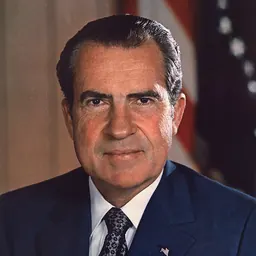
Green studied not only adenoviruses but also many other tumorigenic viruses. At the time, it was commonly hypothesized that since tumor viruses cause certain cancers in animal species, they might also cause cancers in humans. Green embarked on a large study to ask whether human cancers contain tumor virus genes. This study, funded by the National Institutes of Health via the Virus Cancer Program, was a major component of President Richard Nixon's "war on cancer". Green collected over 2,500 tumor samples and analyzed them for the presence of different DNA and RNA tumor viruses. Nearly all the samples were negative. These carefully controlled data, which were published in a series of papers, argued strongly against a viral etiology of human cancer. One exception was the detection of papillomavirus DNA in urogenital cancers; Green was probably the first to make this finding, although he was the second to publish it in the scientific literature.
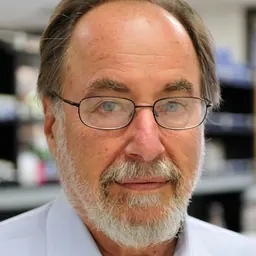
Later, Green's research extended to the RNA tumor viruses (tumor-inducing viruses with an RNA genome). Before reverse transcriptase was discovered by David Baltimore and Howard Temin in 1970 (work that earned them a Nobel Prize), Green wrote a review predicting that the enzyme must exist in the virion of retroviruses. In the early 1970s, he and his co-workers conducted important studies on the biochemical features of reverse transcriptase of avian and murine RNA tumor viruses. These studies revealed the subunit structure of the enzyme and helped define the polymerase and Ribonuclease H activities inherent in that enzyme. He coupled this basic research with the effort to detect RNA tumor viruses in human cancer. Tremendous effort was directed to the ‘simultaneous detection’ assay in which proteins are extracted from tumor samples, separated by size, and then examined for reverse transcriptase activity. There was angst associated with those studies because of the importance of the research and because the workers could occasionally detect weak activity. As was later shown, this activity was not due to infection by RNA tumor viruses, but rather to endogenous reverse transcriptase activity. These studies were negative, again arguing against a viral etiology of cancer.
Green is known for founding, building, and leading the Institute for Molecular Virology and contemporary molecular biology.
Personal life and death Green married Marilyn Glick on August 20, 1950. They had three children.
Green died in St. Louis, Missouri, on December 5, 2017, of natural causes at the age of 91.
Don’t just read it —
keep it.
Full-length biographies made to live with: read them, listen on the way to work, watch them tonight.
- E-book
- Audio
- Video
Instant download · yours to keep · every purchase keeps this site free
Important facts
People in Maurice Green's life
Named in this biography and alive at the same time


Related people
Same field, nearest in time



Contemporaries
People whose lives overlapped Maurice Green's


Frequently asked questions
Who was Maurice Green?
American virologist
When was Maurice Green born?
Maurice Green was born on 5 May 1926 in New York City.
When did Maurice Green die?
Maurice Green died on 5 December 2017 in St. Louis.
What was Maurice Green's occupation?
Maurice Green was a scientist.
What nationality was Maurice Green?
Maurice Green was American.
Sources & further reading
· DBpedia: Maurice Green (virologist)
Cite this page
APA: Biography.guide. (2026). Maurice Green. https://biography.guide/maurice-green-scientist/
MLA: "Maurice Green." Biography.guide, https://biography.guide/maurice-green-scientist/.
Chicago: "Maurice Green." Biography.guide. https://biography.guide/maurice-green-scientist/.
Data last updated: 2026-09-20 · Spot an error? Report a correction.
Page generated 2026-09-27 05:34 UTC