
About Maewa Kaihau
Lived 1879 – 1941 (aged 61–62). Maewa Kaihau was a New Zealand songwriter, composer, pianist, music educator and author.
Erima Maewa Kaihau (; 1879 – 27 February 1941) was a New Zealand composer, pianist and music teacher, sometimes known as Louisa Maewa Molesworth. She is best known for her contributions to the song "Now Is the Hour", and composed several other popular songs in both Māori and English.
Life and career Kaihau was born Louisa Flavell in Whangaroa to a French father and a Māori mother of Ngā Puhi descent. On her mother's side she was a descendent of Hōne Heke. In 1893, the family moved to Waiuku. In the late 1890s, she entered a customary marriage with Henare Kaihau, the Ngāti Te Ata leader and politician; their marriage was formalised in 1903. They had six daughters and two sons. After his death in 1920, she married Charles Molesworth. During their marriage she taught music and played the piano.
She is best-known for the song "Haere Ra" or "Po Atarau", known in English as "Now Is the Hour". The song was adapted from an existing piano tune, "Swiss Cradle Song", published under the name of Clement Scott (thought to be Albert Bokhare Saunders). "Swiss Cradle Song" became popular in New Zealand through its use as a Māori farewell song titled "Po Atarau" during World War I. Kaihau refined the song in 1920, when her daughter was one of several young women performing for the Prince of Wales on a state visit. Kaihau rearranged the song, wrote additional lyrics in English and Māori for the women to perform, and renamed it "Now Is the Hour" or "Haere Ra". In the late 1940s, the song became popular overseas, being performed by Gracie Fields, Frank Sinatra, and Bing Crosby, among others. Time magazine in 1948 described the song's origins, without naming Kaihau:
Kaihau is also known for her compositions "Akoako, o te Rangi", "E Moe te Ra", and "Me Pehea Ra", which were published in Māori and English in 1918. These have been performed by many musicians including Fanny Howie. In 1926, two of these songs were featured on a special New Zealand programme on BBC Radio in the United Kingdom. In 1927, she wrote the lyrics for a song "The Huia" composed to welcome the Duke of York and his wife to New Zealand. In 1928, The New Zealand Herald said that her music "spoke something of that elusive spirit which is the unique heritage of the Maori". In 1930, she composed a farewell song for Lady Alice Fergusson, the wife of Sir Charles Fergusson, which was described by the Auckland Star as being of a "haunting, sincere style so characteristic of Maori music". In the 1930s, she was the music teacher of Ramai Hayward.
Kaihau died on 27 February 1941 at Auckland Hospital. She was survived by her husband, two sons, and two daughters.
Don’t just read it —
keep it.
Full-length biographies made to live with: read them, listen on the way to work, watch them tonight.
- E-book
- Audio
- Video
Instant download · yours to keep · every purchase keeps this site free
Important facts
People in Maewa Kaihau's life
Named in this biography and alive at the same time
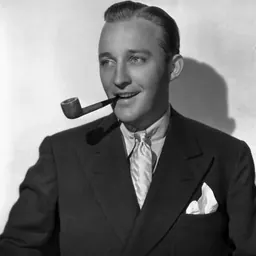
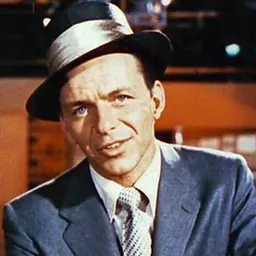


Related people
Same field, nearest in time
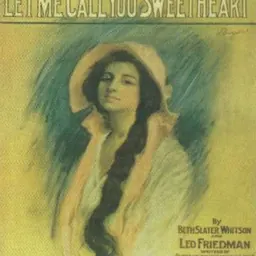
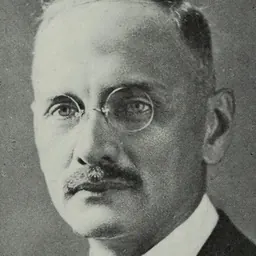
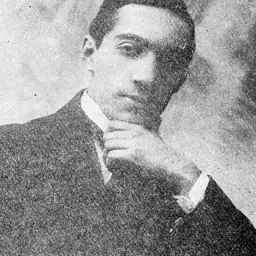

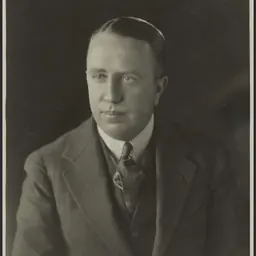

Contemporaries
People whose lives overlapped Maewa Kaihau's



Frequently asked questions
Who was Maewa Kaihau?
New Zealand composer, pianist and music teacher (1879 – 1941)
When was Maewa Kaihau born?
Maewa Kaihau was born in 1879 in Whangaroa.
When did Maewa Kaihau die?
Maewa Kaihau died on 27 February 1941 in Auckland.
What was Maewa Kaihau's occupation?
Maewa Kaihau was a songwriter, composer, pianist, music educator and author.
What nationality was Maewa Kaihau?
Maewa Kaihau was New Zealand.
Sources & further reading
Cite this page
APA: Biography.guide. (2026). Maewa Kaihau. https://biography.guide/maewa-kaihau/
MLA: "Maewa Kaihau." Biography.guide, https://biography.guide/maewa-kaihau/.
Chicago: "Maewa Kaihau." Biography.guide. https://biography.guide/maewa-kaihau/.
Data last updated: 2026-09-22 · Spot an error? Report a correction.
Page generated 2026-09-27 05:22 UTC