
About Lê Chiêu Thống
Lived 1765 – 1793 (aged 27–28). Lê Chiêu Thống was a Chinese monarch.
Lê Chiêu Thống (黎昭統, 1765–1793), born Lê Duy Khiêm and later Lê Duy Kỳ, was the last emperor of the Vietnamese Later Lê dynasty. He was overthrown by the Tây Sơn dynasty. He appealed to the Qing dynasty of China to help regain the throne but failed after losing the Battle of Ngọc Hồi-Đống Đa. Afterwards, he no longer received support from the Qing Qianlong Emperor, relatives of the Later Lê imperial family were imprisoned in Vietnam, and he died in China. Furthermore, the Qianlong emperor banished the remaining members of the Lê family to border regions of the Qing dynasty such as Xinjiang and Heilongjiang.
Early life Lê Duy Khiêm was the eldest son of Lê Duy Vĩ who was the first crown prince of emperor Lê Hiển Tông. After Khiêm's father was killed by the ninth Trịnh lord Trịnh Sâm in 1771, he was jailed. After pacifying the region, Nguyen Huu Chinh abused power for his own interests, thus impinging Nguyễn Huệ's political status. After learning about actions of Nguyễn Hữu Chỉnh, Nguyễn Huệ sent north a general named Vũ Văn Nhậm with an army to attack Thăng Long (now Hanoi). After the Qing occupation of northern Vietnam, the Qing viceroy Sun Shiyi reinstalled Lê Chiêu Thống as a puppet ruler. Although Lê Chiêu Thống did not have much ruling power, he began taking a bloody revenge on Tây Sơn supporters and forced people to supply him food in spite of war and famine. Lê Chiêu Thống fled to China which marked the end of the Lê dynasty.
Lê Chiêu Thống and high ranking Lê loyalists fled Vietnam for asylum in Qing China and went to Beijing. Lê Chiêu Thống was appointed a Chinese mandarin of the fourth rank in the Han Yellow Bordered Banner, while lower ranking loyalists were sent to cultivate government land and join the Green Standard Army in Sichuan and Zhejiang. They adopted Qing clothing and adopt the queue hairstyle, effectively becoming naturalized subjects of the Qing dynasty affording them protection against Vietnamese demands for extradition. Modern descendants of the Lê monarch live in southern Vietnam.
Exile and death After the war, Nguyễn Huệ sent a request of recognition to China and it was accepted with conditions. From this point on, Lê Chiêu Thống did not receive any more support from the Qing Empire of China. He was posthumously given the title Mẫn Đế (愍帝).
Don’t just read it —
keep it.
Full-length biographies made to live with: read them, listen on the way to work, watch them tonight.
- E-book
- Audio
- Video
Instant download · yours to keep · every purchase keeps this site free
Important facts
Family & relationships
People in Lê Chiêu Thống's life
Named in this biography and alive at the same time
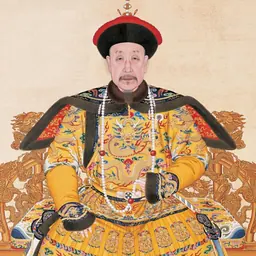
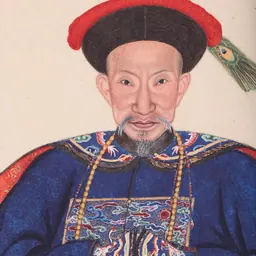


Related people
Same field, nearest in time
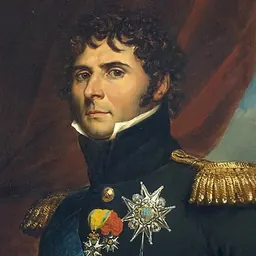


Contemporaries
People whose lives overlapped Lê Chiêu Thống's






Frequently asked questions
Who was Lê Chiêu Thống?
last emperor of the Later Lê dynasty
When was Lê Chiêu Thống born?
Lê Chiêu Thống was born in 1765 in Hanoi.
When did Lê Chiêu Thống die?
Lê Chiêu Thống died in 1793 in Beijing.
What was Lê Chiêu Thống's occupation?
Lê Chiêu Thống was a monarch.
What nationality was Lê Chiêu Thống?
Lê Chiêu Thống was Chinese.
Sources & further reading
Cite this page
APA: Biography.guide. (2026). Lê Chiêu Thống. https://biography.guide/le-chieu-thong/
MLA: "Lê Chiêu Thống." Biography.guide, https://biography.guide/le-chieu-thong/.
Chicago: "Lê Chiêu Thống." Biography.guide. https://biography.guide/le-chieu-thong/.
Data last updated: 2026-09-20 · Spot an error? Report a correction.
Page generated 2026-09-27 05:22 UTC