
About Karl Gustav Hippius
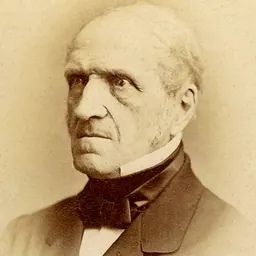
Lived 1832 – 1880 (aged 47–48). Karl Gustav Hippius was a Russian architect and watercolorist.
Karl Otto Gustav Hippius (; 1831 – 1880) was a Baltic German-Russian architect and watercolor artist who shaped the cityscape of Baku and worked extensively throughout the Caucasus region.
Biography
Early life and education Hippius was born on or later in Saint Petersburg to the son of Baltic German painter and lithographer Gustav Adolf Hippius and Frederike Ignatius, sister of artist Otto Friedrich Ignatius. He also had a brother - architect Otto Pius Hippius. His grandfather was the Evangelical chaplain Thomas Hippius. Karl received early training in all artistic disciplines from his father. He attended Reval Gymnasium for a period from the second semester of 1849 to the first semester of 1850. He studied in St. Petersburg at the Imperial Academy of Arts, graduating in 1855 with the title of non-class artist . After graduation, he petitioned the president of the Imperial Academy of Arts "for permission to travel at his own expense for one year to Germany and Italy" to perfect his skills.
Career After his return from traveling, Hippius became an architect and artist for the Transcaspian Trading Company in 1857 and built warehouses in Astarabad (now Gorgan, in northern Iran) and Baku. According to the Russian Biographical Dictionary, he was buried in St. Petersburg at the Smolensky Cemetery in the Lutheran section. According to funeral notice from the newspaper Novoye Vremya his funeral service was held at St. Anne's Church, and he was buried at the Smolensky Lutheran Cemetery.
Artistic work In addition to his architectural achievements, Hippius was a watercolorist who constantly painted landscapes and architectural monuments. He did not attach any importance to these works and readily gave them away to his acquaintances. Consequently, many of his artistic works have been lost. An album containing views of Etchmiadzin, which he compiled during his service in Erivan, was preserved by his widow.
Family He was married to Anna Stepanovna Sviridova (1 November 1840 – 8 March 1905), daughter of an Orthodox priest in Caucasus. They had a son, Karl Karlovich Hippius, who was also an architect.
Don’t just read it —
keep it.
Full-length biographies made to live with: read them, listen on the way to work, watch them tonight.
- E-book
- Audio
- Video
Instant download · yours to keep · every purchase keeps this site free
Important facts
People in Karl Gustav Hippius's life
Named in this biography and alive at the same time


Related people
Same field, nearest in time
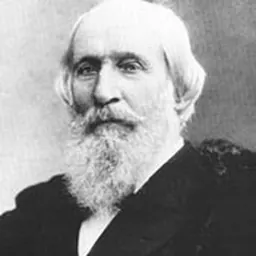

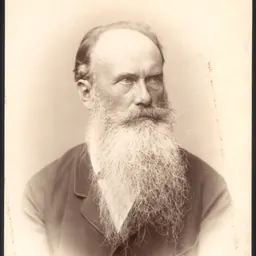


Contemporaries
People whose lives overlapped Karl Gustav Hippius's

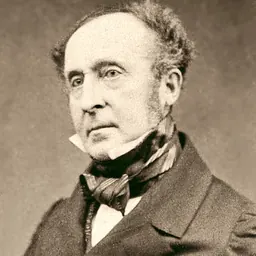
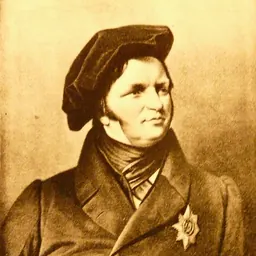

Frequently asked questions
Who was Karl Gustav Hippius?
1832-1880
When was Karl Gustav Hippius born?
Karl Gustav Hippius was born in 1832.
When did Karl Gustav Hippius die?
Karl Gustav Hippius died on 3 September 1880 in Saint Petersburg.
What was Karl Gustav Hippius's occupation?
Karl Gustav Hippius was an architect and watercolorist.
What nationality was Karl Gustav Hippius?
Karl Gustav Hippius was Russian.
Sources & further reading
· Wikipedia: Karl Gustav Hippius
· DBpedia: Karl Gustav Hippius
Cite this page
APA: Biography.guide. (2026). Karl Gustav Hippius. https://biography.guide/karl-gustav-hippius/
MLA: "Karl Gustav Hippius." Biography.guide, https://biography.guide/karl-gustav-hippius/.
Chicago: "Karl Gustav Hippius." Biography.guide. https://biography.guide/karl-gustav-hippius/.
Data last updated: 2026-09-20 · Spot an error? Report a correction.
Page generated 2026-09-27 05:17 UTC