
Kala Bagai
American activist
About Kala Bagai
Lived 1893 – 1983 (aged 90). Kala Bagai was an American, known for Immigration.
Kala Bagai (later Kala Bagai Chandra; 1893-1983) was a South Asian American immigrant and community activist. The Smithsonian described her as "a life-long advocate for immigrants and a mother figure among South Asian communities in California."
Early life in India Kala was born into a Punjabi Sikh family in Amritsar in British India on April 15, 1893, the daughter of Narain Singh and Kani Dhingra.
She married Vaishno Das Bagai and moved to Peshawar to live with him. They had three sons, Brij, Madan, and Ram.
Upon arrival, the Bagais spent a few days in detention at Angel Island. They were questioned about why they immigrated, but officials became less suspicious after seeing that the Bagais had brought all their savings with them.
Life in Northern California In San Francisco, according to granddaughter Rani Bagai, "She delighted in seeing a city newly rebuilt from earthquake ruins, touring the marvels of the Panama-Pacific Exposition, and walking on a sandy beach, things she’d never experienced in India."
Vaishno Das Bagai had learned English in school in India, but Kala had yet to learn the language.
Wrote Rani Bagai, "And from then on, they were kind of pioneers, because there really were very few Indians there around to help them, or to help them…acclimate…[Vaishno Das Bagai] dressed in a Western style with suits. My grandmother still wore a sari, though. She was very traditional, and she didn't eat meat, so that was kind of hard for her to adjust to, because, you know, so meat-centric, their diet then…But she managed…eating fruits and vegetables, and got by, and so they embarked on this adventure in San Francisco."
Wrote historian Erika Lee: "The family achieved a dream when they bought their first home in the city of Berkeley. But when they pulled up to their new neighborhood on moving day, they found that the neighbors had locked up the house to prevent them from moving in. 'All of our luggage and everything was loaded on the trucks,' recounted Kala Bagai. 'I told Mr. Bagai I don’t want to live in this neighborhood. I don’t want to live in this house, because they might hurt my children, and I don’t want it. He agreed. We paid for the house and they locked the doors? No!'"They made their lives in San Francisco, where over the years, Vaishno ran several stores. which sold things like curios and handmade goods from India, embroideries from China, and other goods from Asia. but his citizenship was revoked in the wake of the 1923 Bhagat Singh Thind decision. This forced the family to sell their property, including their store, and left them stateless people unable to get a U.S. passport. In his suicide note, he wrote "I do not choose to live the life of an interned person: yes, I am in a free country and can move about where and when I wish inside the country. Is life worth living in a gilded cage? Obstacles this way, blockades that way, and the bridges burnt behind."
After becoming a widow, Kala Bagai raised her three children in the United States without holding citizenship. She managed the family’s finances, received support from friends and acquaintances, and was able to send all three of her sons to college, including Stanford, UC Berkeley, and USC.
She finally received her United States citizenship in 1950, after the passage of the Luce-Celler Act of 1946.
Building community in Southern California Kala Bagai remarried in 1934, to Mahesh Chandra, another Ghadar activist and an old family friend. She made the choice despite cultural taboos around widow remarriage, informing relatives back in India only after her sons were settled. Granddaughter Rani Bagai described those years: "She flouted her cultural norms by marrying again, to another Indian activist and a graduate of UC Berkeley, Mahesh Chandra. She reinvented herself, attending night school, wearing Western dresses, and even learning tennis. She had many close American friends and never went on a social visit without a gift box of See’s candy."
According to Rani Bagai: An India-West obituary described her in her final years: "Mrs. Chandra radiated warmth, kindness, and good will to everyone. Her home became a 'little India' to the community, and she became the symbol of "Mother India."
Her story became a subject of increasing interest to Asian American and other historians after her death, in articles, books, and an academic symposium. She was also the subject of feminist and children's literature, and a t-shirt.
Dasgupta reflected on her story and legacy: The two block stretch known formerly as "Shattuck Avenue East" was renamed "Kala Bagai Way" after a year of community activism in support, in recognition of both her activism and her racist exclusion from the city a century earlier. It was the first street in the city named after an Asian American.
Don’t just read it —
keep it.
Full-length biographies made to live with: read them, listen on the way to work, watch them tonight.
- E-book
- Audio
- Video
Instant download · yours to keep · every purchase keeps this site free
Important facts
Family & relationships
People in Kala Bagai's life
Named in this biography and alive at the same time

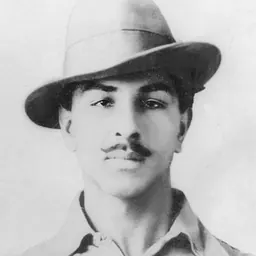

Contemporaries
People whose lives overlapped Kala Bagai's
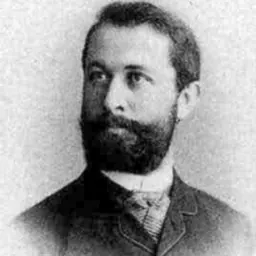

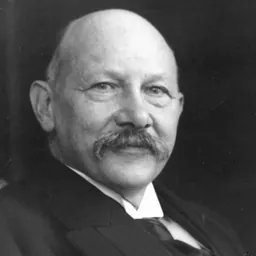
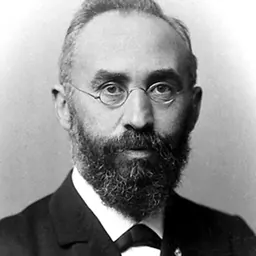

Frequently asked questions
Who was Kala Bagai?
American activist
When was Kala Bagai born?
Kala Bagai was born on 15 April 1893 in Amritsar, British Raj.
When did Kala Bagai die?
Kala Bagai died on 4 October 1983 in California, Los Angeles, United States.
What was Kala Bagai known for?
Kala Bagai was known for Immigration.
What nationality was Kala Bagai?
Kala Bagai was American.
Sources & further reading
Cite this page
APA: Biography.guide. (2026). Kala Bagai. https://biography.guide/kala-bagai/
MLA: "Kala Bagai." Biography.guide, https://biography.guide/kala-bagai/.
Chicago: "Kala Bagai." Biography.guide. https://biography.guide/kala-bagai/.
Data last updated: 2026-09-25 · Spot an error? Report a correction.
Page generated 2026-09-27 05:10 UTC