
About Julius Platzmann
Lived 1832 – 1902 (aged 70). Julius Platzmann was a German botanist, linguist and writer.
Karl Julius Platzmann (31 January 1832 – 6 September 1902) was a German botanical illustrator, writer and bibliophile. Platzmann first studied as an artist, and later travelled to Brazil, where he created hundreds of botanical illustrations. After returning to Germany, he spent a very private life collecting rare colonial dictionaries, grammars and religious texts about indigenous languages of the Americas. He then edited and published exact facsimile editions of those works. His publications have become an important resource in the study of the native languages of the Americas.
Early life and education
Platzmann was born in Leipzig on January 31, 1832. His family was wealthy and influential in Leipzig society. His mother Marianna Platzmann (née Beyer) inherited family wealth. His father Theodor Alexander Platzmann (b. 1795) was a jurist and member of the Saxon State Parliament (Landtag). Like many wealthy German families of the time, the family kept both urban and country homes — Platzmann grew up spending summers on the family estate of Hohnstädt near Grimma, not far from the intellectual hub of Leipzig, where his family also owned a home on Reichstrasse. Like his father and brothers, he studied at one of the three prestigious Fürstenschule ("princely schools") in Saxony. Theodor had attended Pforta in Schulpforte, and the sons attended Grimma near the family estate in Hohnstädt.
Many Fürstenschule alumni would go on to study at the University of Leipzig. Platzmann, however, had a longstanding interest in art, and after three years at the Fürstenschule, he transferred to the Dresden Academy of Fine Arts in 1850. His teachers would include Gustav Jäger, Julius Schnorr von Carolsfeld,
Several of Platzmann's works were exhibited at the Dresden academy. In his diary, Schnorr records high praise of Platzmann's talents as an artist, and even having been inspired to modify one of his own works in light of one of Platzmann's compositions. However, he also felt that Platzmann's potential as a fine artist had limits.
Botanical illustrator in Brazil — 1858-1864
In his 1893 memoir Platzmann mentions that he "wanted to see tropical vegetation", and that Schnorr wrote him a letter of recommendation suitable for use abroad. An analytical drawing of Billbergia amoena was printed in the Belgian botanical journal La Belgique Horticole. His illustration of Lophophytum mirabile was published in a popular magazine, Illustrirte Zeitung, which also included a written contribution from Platzmann describing the plant and how he encountered it. The article was later referenced in the monumental plant catalog Prodromus systematis naturalis regni vegetabilis. His watercolor illustrations were exhibited to considerable acclaim, as far afield as London.
However, he seems to have kept all of his work, without making it available to a wider public during his lifetime; it remained in the possession of his family.
Aus Der Bai Von Paranaguá Platzmann published a travelogue of his trip in the form of a collection of letters to his parents in Germany. The work received
From botany to comparative linguistics
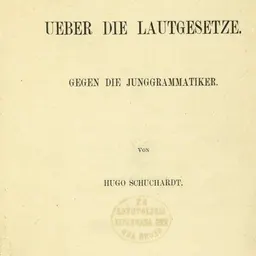
After his return to Germany, Platzmann was sent a copy of the explorer, botanist, and ethnographer Carl Friedrich Philipp von Martius's compilation of glossaries of many indigenous languages of Brazil. Daniel Brinton called the etymologies "verbal coincidences" that did not "merit serious consideration". In another letter, Hugo Schuchardt criticizes "his old friend" Platzmann of having fallen prey to "the siren call of phonetic similarity", describing his "etymologizing" as "wild fantasy".
But once the notion of speculative etymology caught hold of Platzmann, it never let him go: he never ceased to assert that he had a unique ability to "find" etymological unities across the languages of the world. While he admitted that his early Etymologien was "hasty and premature", years later he also describes having continually worked since its publication to publish "a second, improved, and greatly enlarged edition of the American-Asiatic Etymologies." this work to Platzmann's belief in "the monogenetic origin of all humans and their languages" and that this belief "enabled him to gain some insight into the original human language of prehistoric times, die Sprache des Menschen 'the language of the human (being)', which is the mother tongue from which die Sprachen der Völker 'the languages of the peoples' all derive."
He spent enormous sums of money on these volumes. Vasconcellos cites a then-recent catalog listing Platzmann himself practically bragged about the cost of his volumes: "I spared no expense. I have repeatedly paid 1000, 2000, even 5000 francs for a book." The importance of this library was recognized by influential contemporaries, among them August Friedrich Pott, who called them "an enviable treasure of the highest value and a unique private possession of its kind". Brinton also praised the work, calling it "a model of this kind of bibliographical work". It was these books that would become the basis of his later facsimile editions.
By the time of his death in 1902, his library had grown to include 1400 volumes. A catalog of the auction of that library was published by Oswald Weigel.
In some cases Platzmann commissioned private copies of manuscripts for himself or for others. One amanuensis for these transcriptions was Emanuel Forchhammer, who copied a rare manuscript grammar of the Chiquitano language of Bolivia, which was later used as a source in a published grammar of the language. Forchhammer also transcribed the so-called Gülich manuscript, a collectanea of content about Tupi, for Karl Friederich Henning, the personal secretary and tutor for Pedro II of Brazil, with whom Platzmann was personally acquainted.
Facsimile editions This map shows the breadth of distribution of the series of facsimiles of linguistic works created by Julius Platzmann. The set of facsimiles produced by Platzmann cover languages from all over South America (as well as Nahuatl in Mexico.) Later in his life, Platzmann published facsimiles of his collected books, beginning in 1874 with a facsimile of the Tupi grammar of 1595 by the Jesuit José de Anchieta. Facsimile editions of historical South American language books followed and eventually included the Carib, Arawak, Tupi, Guarani, Araucano, Quechua, Aymara, Mapudungun, Cumanagoto, Kariri, Arawak, Abipón, Tehuelche, Moxa, and Lingua Geral languages. On the left is the original, and a scan of the same page in Platzmann's facsimile is on the right.
Van Hal makes the case that it was the well-known German linguist August Pott who encouraged Platzmann to continue creating facsimiles, knowing that Platzmann was both obsessive enough to carry out the tedious work, and wealthy enough to afford to purchase exceedingly rare and valuable originals. | Art of Grammar of the Most Used Language on the Coast of Brazil (reprint) | Tupi 1876 | 1595 | José de Anchieta (1534–1597) | Arte de grammatica da lingua mais usada na costa do Brasil feita pelo P. Joseph de Anchieta | Arte de Grammatica da Lingoa Mais Usada na Costa do Brasil. Feita pelo P. Joseph de Anchieta. Publicada por Julio Platzmann (Grammar of the Most Used Language on the Coast of Brazil Made by Father Joseph de Anchieta. Published by Julio Platzmann (facsimile edition) | Tupi 1876 | 1640 | Antonio Ruiz de Montoya (1585–1652) | Arte, Bocabulario, Tesoro y Catecismo de la lengva gvarani por Antonio Ruiz de Montoya. 4 vols. | Art, Vocabulary, Treasure and Catechism of the Guarani Language by Antonio Ruiz de Montoya. 4 vols. | Guarani 1878 | 1687 | Luís Figueira (1573–1643) | A Arte da Língua Brasílica | Grammar of the Language of Brazil | Tupi 1878 | 1686 | Antônio de Araújo (1566–1632) | Catecismo brasilico da doutrina christãa | Brazilian (Tupi) Catechism of Christian Doctrine | Tupi 1879 | 1612 | Ludovico Bertonio (1555–1628) | Arte de la lengua aymara compuesta por el P. Ludovico Bertonio | Art of the Aymara Language Composed by Father Ludovico Bertonio | Aymara 1879 | 1612 | Ludovico Bertonio (1555–1628) | Vocabulario de la lengua aymara compuesto por el P. Ludovico Bertonio. 2 vols | Vocabulary of the Aymara Language Composed by Father Ludovico Bertonio. 2 vols. | Aymara 1880 | 1571 | Alonso de Molina (1513?–1585?) | Vocabulario de la lengua méxicana compuesto por el P. Fr. Alonso de Molina | Vocabulary of the Mexican Language Composed by Father Alonso de Molina | Mexican (Nahuatl) 1883 | 1777 | Bernhard Havestadt (1714–1781) | Chilidúgu, sive, Tractatus linguae chilensis, opera Bernardi Havestadt | Chilidúgu, or, Treatise on the Chilean Language, Work of Bernardi Havestadt | Mapudungun/Chilean 1887 | 1606 | Luis de Valdivia (1561–1642) | Arte, Vocabulario y Confesionario de la lengua de Chile, compuestos por Luiz de Valdivia | Art, Vocabulary and Confessionary of the Language of Chile, Composed by Luiz de Valdivia | Mapudungun/Chilean 1888 | | Francisco de Tauste, Matías Ruiz Blanco, Diego de Tapia, Manuel de Yangues | Algunas obras raras sobre la lengua cumanagota | Some Rare Works on the Cumanagota Language [5 vols.] | Cumanagoto 1888 | 1680 | Francisco de Tausté (1626–1685) | Vol. 1: Arte, Bocabulario, Doctrina christiana, y Catecismo de la lengua de Cumana, compuestos por el R. P. Fr. Francisco de Tausté | Vol. 1: Art, Vocabulary, Christian Doctrine, and Catechism of the Language of Cumana, Composed by Father Francisco de Tausté | Cumanagoto 1888 | | Manuel de Yangues (d. 1676) | Vol. 2: Principios y reglas de la lengua Cumanagota, c. un diccionario | Vol. 2: Principles and Rules of the Cumanagota Language, with a Dictionary | Cumanagoto 1888 | | Matías Ruiz Blanco (1643–1705) | Vol. 3: Arte y tesoro de la lengua Cumanagota [Matías Ruiz Blanco, 1643–1705] | Vol. 3: Art and Treasure of the Cumanagota Language | Cumanagoto 1888 | | Diego de Tapía (fl. 1746) | Vol. 4-5: Confesionario mas lato en lengua cumanagota por fr. Diego de Tapía | Vol. 4-5: Extended Confessionary in the Cumanagota Language by fr. Diego de Tapía | Cumanagoto 1890 | 1778 | Anselm Eckart (1721–1809) | Specimen linguae brasilicae vulgaris | Anselm Eckart's Specimen of the Common Brazilian Language, published by Christoph Gottlieb von Murr. | Tupi 1891 | 1560 | Domingo de Santo Tomás (1499–1570) | Arte de la lengua quichua compuesto por Domingo de Sancto Thomas; Publicada de nuevo por Julio Platzmann; Edición facsimilar | Grammatica, o arte de la lengua general de los Indios de los Reynos del Perú. Nueuamente compuelta, por el Maestro fray Domingo de. S. Thomas, Dela orden de. S. Domingo, Morador en los dichos Reynos. | Quechua 1892 | 1666 | Raymond Breton (1609–1679) | Dictionaire caraibe-français composé par le R. P. Raymond Breton | Carib-French Dictionary Composed by Father Raymond Breton | Carib 1894 | 1701 | Pedro Marbán (1653–1713) | Arte de la lengua Moxa con su vocabulario y cathecismo por el padre Pedro Marban | Art of the Moxa Language with its Vocabulary and Catechism by Father Pedro Marban | Moxa 1896 | 1795 | Anonymous | O diccionario anonymo da lingua geral do Brasil publicado de novo com o seu reverso por Julio Platzmann | The Anonymous Dictionary of the General Language of Brazil newly published with reverse by Julio Platzmann Based on the Lisbon edition of 1795. | Língua Geral 1896 | 1709 | Bernardo de Nantes | Catecismo da lingua kariris composto pelo R. P. Fr. Bernardo de Nantes [fl. 1709] | Catechism of the Kariri Language Composed by Father Bernardo de Nantes | Kariri 1898 | 1639 | Antonio Ruiz de Montoya (1585–1652) | Tesoro de la lengua guarani | Treasury of the Guarani Language | Guarani 1899 | 1775 | Thomas Falkner (1707–1784) | Thomas Falkner's Nachricht von der moluchischen Sprache, separat und unverändert herausgegeben von Julius Platzmann mit einer Karte. | Thomas Falkner's Account of the Moluchian Language, published separated and unchanged by Julius Platzmann with a Map. A short (22pp) reprint of a German translation of a collectanea of English language materials on Mapudungun by Thomas Falkner. | Mapudungun 1900 | 1807 | Christlieb Quandt (1740–1824) | Des Herrnhuter Glaubensboten Christlieb Quandt nachricht von der Arawackischen Sprache | The Herrnhut Missionary Christlieb Quandt's Account of the Arawak Language. Brief reprint (22 pages) of linguistic material from the Moravian missionary Christlieb Quandt's original book on Suriname. | Arawak (Lokono) 1902 | 1783 | Martin Dobrizhoffer (1717–1791) | Auskunft über die Abiponische Sprache | An account of the Abipón language. Platzmann reprinted the linguistic material from the German translation of the Latin original Historia de Abiponibus, equestri bellicosaque Paraquariae natione | Abipón 1903 | | Theophilus Schmidt (fl. 1860) | Der Sprachstoff der Patagonischen Grammatik des Theophilus Schmidt. Mit einer Karte des südlichen Südamerika | The Language Material of the Patagonian Grammar by Theophilus Schmidt. With a Map of Southern South America | Patagonian/Tehuelche
Fully a third of these publications deal with the Tupi–Guarani languages, reflecting Platzmann’s particular interest in the languages of Brazil.
Cover page of Julius Platzmann's "Why I republished old American grammars"
Autobiographical work Platzmann dedicated a work to the topic of why he created facsimiles (among many meandering asides), the 1893 Weßhalb ich Neudrucke der alten amerikanischen Grammatiker veranlaßt habe ("Why I published new editions of the old American Grammars"). Elsewhere Brinton lumps Platzmann's etymological works in with those of other poorly supported linguistic claims in works by Émile Petitot, Francisco Adolfo de Varnhagen, and others.
Platzmann also wrote a short piece with an unclear publication history, but which contains an interesting description of the nature and culture in the coastal areas around Paranaguá:
Derivative
He also wrote four derivative works, some based the sources of his facsimiles (Anchieta, Figueira, Anonymous), and one on a bible translation.
1874 - Grammatik der brasilianischen Sprache, mit Zugrundelegung des Anchieta.
Legacy
Charles Jacques Édouard Morren named the species Vriesea platzmannii in Platzmann's honor. and awarded a medal from the Société américaine de France in 1875.
Unsold stocks of Platzmann’s facsimiles (they had sold poorly) were purchased en masse from Teubner and subsequently sold by Otto Harrassowitz. Albert Order - Kingdom of Saxony Ehrenzeichen für Kunst und Wissenschaft - Austro-Hungarian Empire
Of his legacy, Grumpelt comments:
Julius Platzmann lived a quiet and withdrawn life, devoting himself solely to the serious study of linguistics, making the rare treasures of linguistics available to the public through reprints, and collecting documents of human speech in all its diversity.
Despite his harsh critique of Platzmann's comparative efforts cited above, Daniel Brinton gave very high praise for Platzmann's work on facsimiles:
Don’t just read it —
keep it.
Full-length biographies made to live with: read them, listen on the way to work, watch them tonight.
- E-book
- Audio
- Video
Instant download · yours to keep · every purchase keeps this site free
Important facts
People in Julius Platzmann's life
Named in this biography and alive at the same time


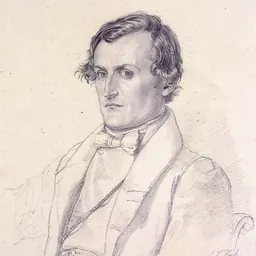

Related people
Same field, nearest in time


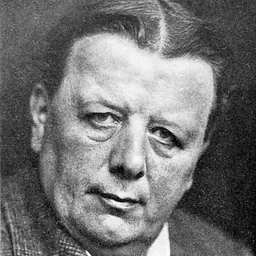
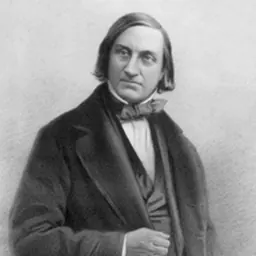

Contemporaries
People whose lives overlapped Julius Platzmann's
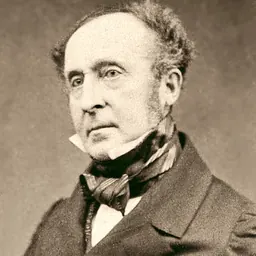

Frequently asked questions
Who was Julius Platzmann?
German botanist and linguist (1832–1902)
When was Julius Platzmann born?
Julius Platzmann was born on 31 January 1832 in Leipzig.
When did Julius Platzmann die?
Julius Platzmann died on 6 September 1902 in Leipzig.
What was Julius Platzmann's occupation?
Julius Platzmann was a botanist, linguist and writer.
What nationality was Julius Platzmann?
Julius Platzmann was German.
Sources & further reading
Cite this page
APA: Biography.guide. (2026). Julius Platzmann. https://biography.guide/julius-platzmann/
MLA: "Julius Platzmann." Biography.guide, https://biography.guide/julius-platzmann/.
Chicago: "Julius Platzmann." Biography.guide. https://biography.guide/julius-platzmann/.
Data last updated: 2026-09-26 · Spot an error? Report a correction.
Page generated 2026-09-27 05:14 UTC