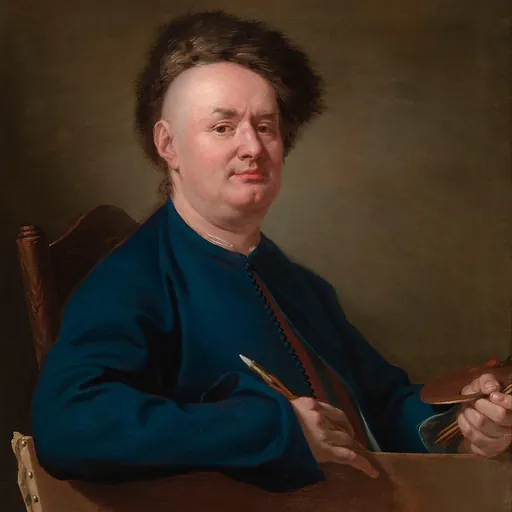
About Joseph Van Aken
Lived 1699 – 1749 (aged 49–50). Joseph Van Aken was a painter and draftsperson.
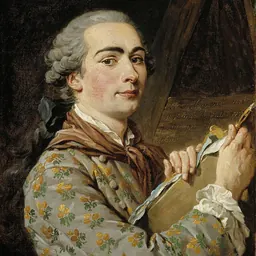
Josef van Aken, known in England as Joseph van Aken and Joseph Van Aken of Heacken (c. 1699, Antwerp – 4 July 1749 London) was a Flemish genre, portrait and drapery painter who spent most of his career in England. Initially successful in England with his fashionable conversation pieces and other genre scenes, he gradually specialised as a drapery painter. Drapery painters were specialist painters who completed the dress, costumes and other accessories worn by the subjects of portrait paintings. They worked for portrait painters with a large clientele. He was recognised as one of the foremost drapery painters active in mid-18th-century England and was employed in that capacity by many leading and lesser known portrait painters of his time.
Life Very little is known about the early life of the artist. He is believed to have been born in Antwerp around 1699. There is no record of his training in Antwerp and he was never registered as a pupil or master in the Antwerp Guild of Saint Luke. His works as an independent artist include a view of Covent Garden Market, of which he made at least three versions. He largely abandoned genre painting as an independent artist and became a specialist drapery painter in the mid-1730s.
Van Aken painted drapery for most of the leading artists in London as well as minor artists, also outside of London. Artists by whom he was engaged as drapery painter include Allan Ramsay, Thomas Hudson, Joseph Highmore, Thomas Bardwell and George Knapton. As he was working for many of the leading portrait painters in England, Horace Walpole commented "As in England almost everybody's picture is painted, so almost every painter's work is painted by Vanaken". As he was specialised in painting draperies for portrait painting, he was sometimes called 'the Tailor from Aken' (Aken being the Dutch translation for the German town Aachen). In 1748 he travelled to Paris with Hogarth and Francis Hayman, and then from there by himself to the Habsburg Netherlands. This painting offers a sober vision of piety and sufficiency as expressed in the ritual of the family dinner. These works were in the tradition of 17th century Flemish genre painting as developed further by contemporary Antwerp masters such as Jan Josef Horemans the Elder. He soon started painting conversation pieces: informal, but elegant group portraits in sophisticated colours of families or friends set in a domestic interior or more often in a garden setting. This new type of portrait painting was very popular in England from the 1720s. The persons depicted in conversation pieces may be members of a family as well as friends, members of a society or hunt, or some other grouping who are shown sharing common activities such as hunts, meals, or musical parties. Van Aken together with other foreign artists such as Marcellus Laroon the Younger, Philippe Mercier and Peter Angelis played a role in the development of genre paintings into conversation pieces in 1720s England.
From 1735 onwards he worked as a drapery painter for many leading portrait painters such as Allan Ramsay, Thomas Hudson, Joseph Highmore and George Knapton as well as lesser figures also outside of London. An example is the Portrait of Lady Lucy Manners (circa 1742 - 1749, National Trust, England) painted in collaboration with Thomas Hudson.
Van Aken's participation in portraits in the 1730s and 1740s is evidenced by a series of drapery studies preserved in the Scottish National Gallery which relate to his collaborations with Hudson and Allan Ramsay. Van Aken's contributions helped popularise the Van Dyck costume amongst patrician sitters in the 1730s. The contributions of Van Aken were highly regarded by contemporaries and George Vertue placed him on the same level as the portrait painters themselves. As Van Aken and his brother worked for a great many portrait painters Vertue observed that 'its very difficult to know one hand from another' (i.e. it was difficult to distinguish which portrait painter was responsible for a particular portrait).
Don’t just read it —
keep it.
Full-length biographies made to live with: read them, listen on the way to work, watch them tonight.
- E-book
- Audio
- Video
Instant download · yours to keep · every purchase keeps this site free
Important facts
more
Josef van Aken, Vanacken, Vanaken, Joseph Haecken, Joseph van Haaken, Joseph Aken, Joseph van Hacken, Joseph van Aken, Joseph van Haken, Joseph Vanaecken, Jozef Aken, Jozef van Haecken, Jozef Vanaecken, Van Hakens, Van Aken, van Hacken, Van Haiken, V. Orken, Van Acken, J. Van Aken, Van Haicken, V. Haken, Van Aaken, Van Haaken, V. Akin, Van Haken, VanhaPeople in Joseph Van Aken's life
Named in this biography and alive at the same time


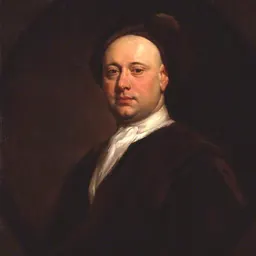

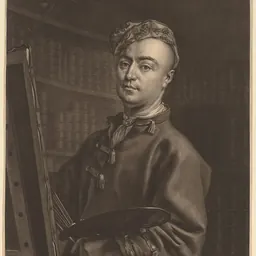
Related people
Same field, nearest in time

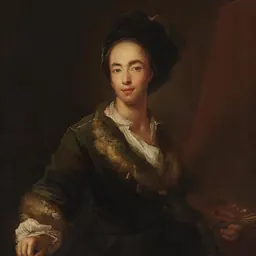
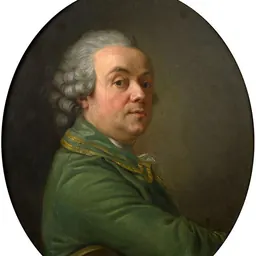


Contemporaries
People whose lives overlapped Joseph Van Aken's




Frequently asked questions
Who was Joseph Van Aken?
Flemish painter (1699-1749)
When was Joseph Van Aken born?
Joseph Van Aken was born in 1699 in Antwerp.
When did Joseph Van Aken die?
Joseph Van Aken died on 4 July 1749 in London.
What was Joseph Van Aken's occupation?
Joseph Van Aken was a painter and draftsperson.
What nationality was Joseph Van Aken?
Joseph Van Aken's recorded nationality: Habsburg Netherlands.
Sources & further reading
Cite this page
APA: Biography.guide. (2026). Joseph Van Aken. https://biography.guide/joseph-van-aken/
MLA: "Joseph Van Aken." Biography.guide, https://biography.guide/joseph-van-aken/.
Chicago: "Joseph Van Aken." Biography.guide. https://biography.guide/joseph-van-aken/.
Data last updated: 2026-09-23 · Spot an error? Report a correction.
Portrait: Wikimedia Commons · author & licence
Page generated 2026-09-27 05:07 UTC