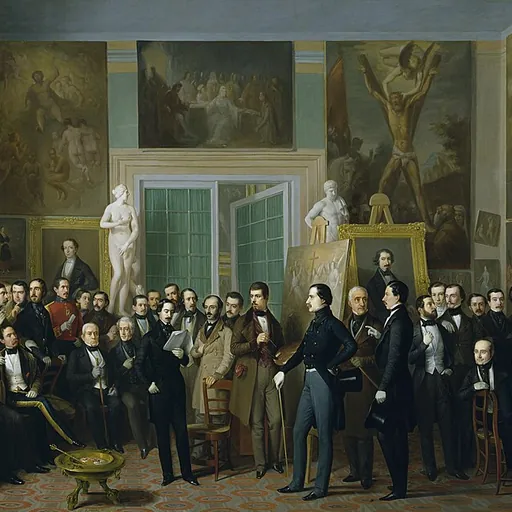
About José María Díaz
Lived 1813 – 1888 (aged 74–75). José María Díaz was a Spanish and Venezuelan journalist, writer and playwright.
José María Díaz de la Torre (July 1813 – 13 November 1888) was a Spanish romanticist journalist, playwright, poet, and politician. His classic works are Julio César, Lucio Junio Bruto (1844), Catilina (1856), and La muerte de César (1883). He also wrote under the pseudonym Domingo de Argote. He was also involved in the .
Biography In July 1813, Díaz was born in Caracas, Captaincy General of Venezuela to Caracan doctor and journalist and a Spanish mother. During his formative years he experienced the upheaval caused by the Spanish and Bolivarian forces in the Venezuelan War of Independence. In the summer of 1821, his family, Caracas for Madrid, Spain, arriving in fall. In 1828, he joined the Real Colegio de Santo Tomás, studying philosophy and quickly began writing under his father's vocation. In 1830, he became acquainted with the artistic scene and the romanticists of . In 1835, he published some poems in newspapers and was involved in events with Mariano José de Larra, Ventura de la Vega, Manuel Bretón de los Herreros, and José de Espronceda; in 1835, he gained traction in the Madrid literary scene with his premiere dramas Elvira de Albornoz and Felipe II at the Teatro del Príncipe. On 17 February 1837, at Larra's funeral, he was among the speakers prior to José Zorrilla's famous speech. The following year Díaz published Un poeta y una mujer, a retelling of Larra's love and suicide.
In January 1851, he was made member of the Junta Consultiva de Teatros del Reino, losing the position upon its abolition nine months later. In July 1855, out of concern, he offered the lease for the Teatro de la Cruz and Teatro del Príncipe to the ayuntamiento; he became director of Príncipe in autumn 1856, remaining an entrepreneur until the beginning of 1858. He published articles in and in 1860, became editor of 's progressive , taking over the literary section in 1863. However, since 1850 his positions became increasingly radical, eventually too much so for El Clamor and joined . ¡Redención!, Madrid, C. González, 1854 (Madrid, 1858; Salamanca, 1871) El Justicia de Aragón, Madrid, José Rodríguez, 1854 ¡Creo en Dios!, Madrid, C. González, 1854 Catilina, Madrid, José Rodríguez, 1856 Las cuatro estaciones, Madrid, José Rodríguez, 1856 Carlos IX y los Hugonotes, Madrid, José Rodríguez, 1856 Carnioli, Madrid, Julián Peña, 1857 Los dos cuáqueros, Madrid, Vicente de Lalama, 1858 Marta y María, Madrid, Anselmo Santa Coloma, 1860 Los tres banqueros, Madrid, Anselmo Santa Coloma, 1860 Misterios del carnaval, Madrid, Vicente de Lalama, 1860 La vuelta de presidio, Madrid, Anselmo Santa Coloma Luz en la sombra, Madrid, El Clamor Público, a cargo de D. Navarro y Fernández, 1861 Gabriela de Vergy, Madrid, C. González, 1862 Otro Tenorio humillado por la virtud, Madrid, Imprenta Española, 1863 Mártir siempre, nunca reo, Madrid, Centro General de Administración, 1863 El matrimonio de conciencia, Madrid, F. Martínez García, 1864 Muerta en el bosque, Madrid, F. Martínez García, 1864 Translation of Margarita Thieulay by Amédée Achard, Madrid, La Iberia, 1868 Translation of Clementina Aubernin by Amédée Achard, Madrid, La Iberia, 1868 Trece de febrero, Madrid, José Rodríguez, 1878 La muerte de César, Havana, Imprenta del Gobierno y Capitanía General, 1883
Don’t just read it —
keep it.
Full-length biographies made to live with: read them, listen on the way to work, watch them tonight.
- E-book
- Audio
- Video
Instant download · yours to keep · every purchase keeps this site free
Important facts
People in José María Díaz's life
Named in this biography and alive at the same time

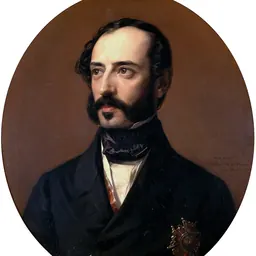
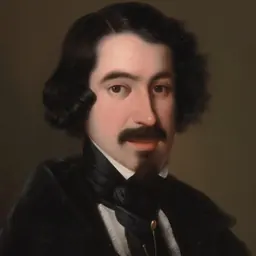
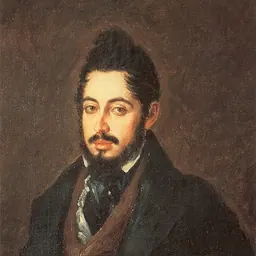
Related people
Same field, nearest in time

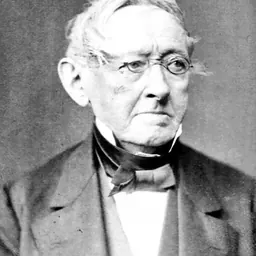

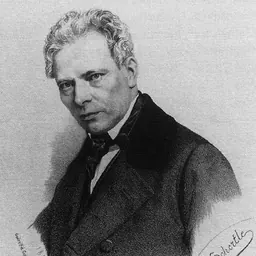
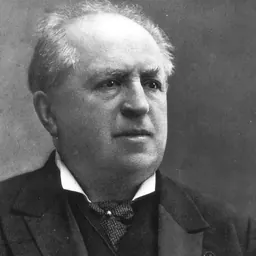
Contemporaries
People whose lives overlapped José María Díaz's




Frequently asked questions
Who was José María Díaz?
Spanish journalist and playwright
When was José María Díaz born?
José María Díaz was born in 1813 in Caracas.
When did José María Díaz die?
José María Díaz died on 13 November 1888 in Havana.
What was José María Díaz's occupation?
José María Díaz was a journalist, writer and playwright.
What nationality was José María Díaz?
José María Díaz was Spanish and Venezuelan.
Sources & further reading
Cite this page
APA: Biography.guide. (2026). José María Díaz. https://biography.guide/jose-maria-diaz/
MLA: "José María Díaz." Biography.guide, https://biography.guide/jose-maria-diaz/.
Chicago: "José María Díaz." Biography.guide. https://biography.guide/jose-maria-diaz/.
Data last updated: 2026-09-23 · Spot an error? Report a correction.
Portrait: Wikimedia Commons · author & licence
Page generated 2026-09-27 05:08 UTC