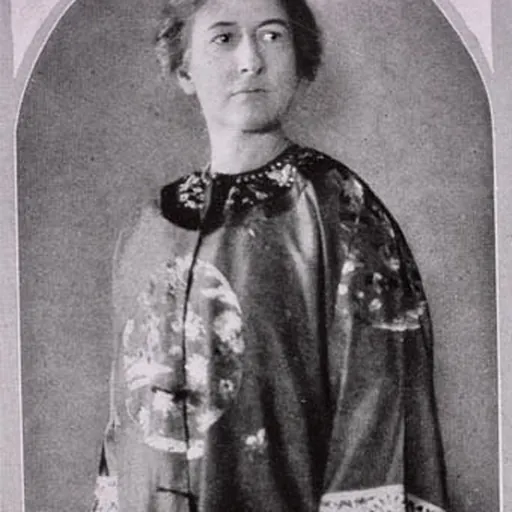
About Harriet Monroe
Lived 1860 – 1936 (aged 75). Harriet Monroe was an American poet, literary critic, writer, journalist and poetry (magazine).
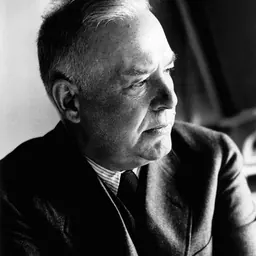
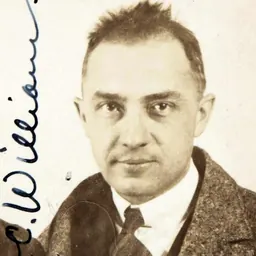
Harriet Monroe (December 23, 1860 – September 26, 1936) was an American editor, scholar, literary critic, poet, and patron of the arts. She was the founding publisher and long-time editor of Poetry magazine, which she established in 1912. As a supporter of the poets Wallace Stevens, Ezra Pound, H. D., T. S. Eliot, William Carlos Williams, Carl Sandburg, Max Michelson and others, Monroe played an important role in the development of modern poetry. Her correspondence with early twentieth century poets provides a wealth of information on their thoughts and motives.
Early life and education
Monroe was born in Chicago, Illinois. She read at an early age; her father, a lawyer, had a large library that provided refuge from domestic discord. In her autobiography, A Poet's Life: Seventy Years in a Changing World, published two years after her death, Monroe recalls: "I started in early with Shakespeare, Byron, Shelley, with Dickens and Thackeray; and always the book-lined library gave me a friendly assurance of companionship with lively and interesting people, gave me friends of the spirit to ease my loneliness."
Career
Early writing In 1879, Monroe graduated from the Visitation Academy located in the Georgetown section of Washington, D.C. Her mentor in writing was Mary Paulina Finn, a nun and writer. Sr. Finn published books, plays, and poems as M.S. Pine. Monroe was later recognized as a talented author for her age. Her prose published in 1899 in the Atlantic Monthly, The "Grand Canyon of the Colorado", was considered better poetry than her most notable poem, I love my life.
Driven by fears of posthumous anonymity, Monroe proclaimed after graduation her determination to become "great and famous" as a poet or playwright. In the Dictionary of Literary Biography, Judith Paterson quoted her as saying, "I cannot remember when to die without leaving some memorable record did not seem to me a calamity too terrible to be borne." She afterward devoted herself to literary work. In her biography, Monroe wrote, 'I have sense of consecration that made me think I would prefer art to life'.
Though Century magazine published her poem, "With a Copy of Shelley", in 1889, she became disillusioned by the limited earnings available for poets, saying: "The minor painter or sculptor was honored with large annual awards in our greatest cities, while the minor poet was a joke of the paragraphers, subject to the popular prejudice that his art thrived best on starvation in a garret."
Don Share, who became editor of Poetry in 2013, writes that Monroe seemed to have a "sixth sense" about the poetry she published. Monroe, herself, wrote and preferred poems rooted in 19th century tradition, but in her magazine, "that countervailing sixth sense allowed her to make literary history. She invented a box, you could say — and promptly set to work thinking outside it. Her magazine was, therefore, like she was: unpredictable, difficult, and infuriating," but she never wavered in her assessment of progressive American culture as a democratic triumph.
Later life and death Monroe continued to edit Poetry magazine until she died in Arequipa, Peru on September 26, 1936, at age 75. She was on her way to climb Machu Picchu, and the high altitudes reportedly triggered a cerebral hemorrhage, which caused her death.
Monroe was a member of the Eagle's Nest Art Colony in Ogle County, Illinois, and is mentioned in Erik Larson's The Devil in the White City. In 2011, Monroe was inducted into the Chicago Literary Hall of Fame.
Family Monroe was the sister-in-law of Chicago architect John Wellborn Root, and wrote his biography.
Works cantata for the opening of the Chicago Auditorium (1889) Columbian Ode composed for the opening of the World's Columbian Exposition, with George Whitefield Chadwick (1892) Valeria and other Poems (1892) John Wellborn Root: A Study of His Life and Work (1896) The Passing Show - Five Modern Plays in Verse (1903) Dance of the Seasons (1911) You and I - Poems (1914) The New Poetry: Anthology of 20th Century Verse (1921) Poets And Their Art (1926) A Poet's Life - Seventy Years in a Changing World (1938)
Don’t just read it —
keep it.
Full-length biographies made to live with: read them, listen on the way to work, watch them tonight.
- E-book
- Audio
- Video
Instant download · yours to keep · every purchase keeps this site free
Important facts
People in Harriet Monroe's life
Named in this biography and alive at the same time

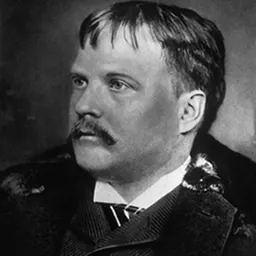
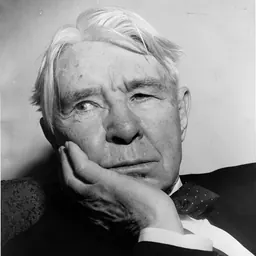

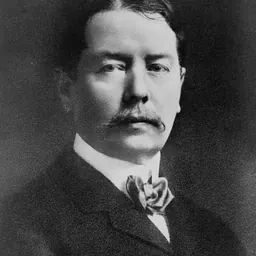

Related people
Same field, nearest in time

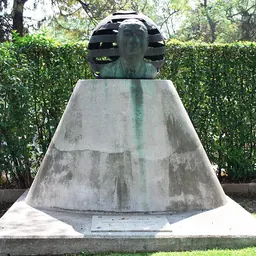
Contemporaries
People whose lives overlapped Harriet Monroe's
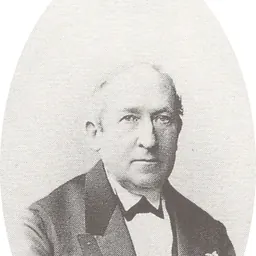

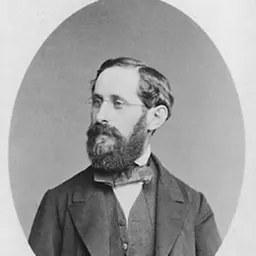

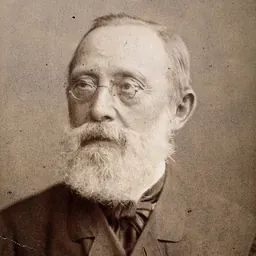

Frequently asked questions
Who was Harriet Monroe?
American poet and editor (1860-1936)
When was Harriet Monroe born?
Harriet Monroe was born on 23 December 1860 in Chicago.
When did Harriet Monroe die?
Harriet Monroe died on 26 September 1936 in Arequipa.
What was Harriet Monroe's occupation?
Harriet Monroe was a poet, literary critic, writer, journalist and poetry (magazine).
What nationality was Harriet Monroe?
Harriet Monroe was American.
Sources & further reading
Cite this page
APA: Biography.guide. (2026). Harriet Monroe. https://biography.guide/harriet-monroe/
MLA: "Harriet Monroe." Biography.guide, https://biography.guide/harriet-monroe/.
Chicago: "Harriet Monroe." Biography.guide. https://biography.guide/harriet-monroe/.
Data last updated: 2026-09-23 · Spot an error? Report a correction.
Portrait: Wikimedia Commons · author & licence
Page generated 2026-09-27 05:06 UTC