
About Hamo Sahyan
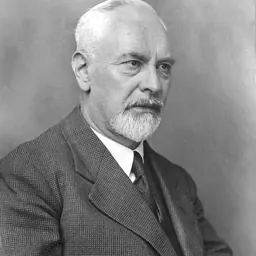
Lived 1914 – 1993 (aged 79). Hamo Sahyan was a Russian and Armenian poet and translator.
Hamo Sahyan (, real name Hmayak Sahaki Grigoryan; April 14, 1914 – July 16 , 1993) was an Armenian poet and translator.
Biography Hamo Sahyan was born on April 14, 1914, in the village of Lor, near Sisian of the present-day Syunik region (then the Zangezur uezd of the Elizavetpol Governorate of the Russian Empire). His literary name was formed from the abbreviation of his name and the beginning of his patronymic.
In 1927, he moved to Baku to live with his uncle. In 1935, he entered and graduated from the Linguistic faculty of the Baku Pedagogical Institute in 1939. Between 1939 and 1941, he worked as a literary employee in the Baku magazine Soviet Writer. During the Great Patriotic War, he served in the navy as a sailor of the Caspian Fleet. Having returned from the 1945-1951 war he worked as a literary employee in the Baku newspaper Communist in Armenian.
In 1951, Sahyan moved to Yerevan and began working at the newspaper Avangard. From 1954 to 1955, at the start of the Khrushchev thaw, he worked at the magazine Vozni. Between 1965 and 1967, he was the editor-in-chief of Grakan Tert. In 1966, Sahyan signed a petition supporting the unification of Nagorno-Karabakh with Soviet Armenia, alongside Martiros Saryan, Yervand Kochar, Paruyr Sevak, and other major Armenian cultural figures.
The first collection of poems by Sahyan, entitled On the Edge of the Gate (Որոտանի եզերքին) was published in 1946. In the final years of Stalin's personality cult, Sahyan published three unsuccessful poetry collections. Later he published the collections On High (Բարձունքի վրա) (1955), Nairyan Dalar Bardi (Նաիրյան դալար բարդի) (1958), Armenia in Songs (Հայաստանը երգերի մեջ) (1962), Before Sunset (Մայրամուտից առաջ) (1964), and Song of stones (Քարափների երգը) (1968).
In 1972, the collection Open Sesame was published, for which Sahyan was awarded the State Prize of the Armenian SSR. During the 1970s and 1980s, the collections Evening Bread (Իրիկնահաց) (1977), Green-Red Autumn (Կանաչ-կարմիր աշուն) (1980), and Mint Flower (Դաղձի ծաղիկ) (1986) were also published. In 1998, a collection of typical poems by Hamo Sahyan, Don't Let Me Go (Ինձ բացակա չդնեք), was posthumously published. He did translations of Pushkin, Yesenin, Garcia Lorca, and others. He died on July 16, 1993, in Yerevan. The remains are buried in the Komitas Pantheon.
About Hamo Sahyan Hamo Sahyan was the correct man, he played and embarrassed himself during the game, he fought during his fight, he took a long time to realize that he looked like authentic literature, and he withdrew during the withdrawal. Hrant Matevosyan
Hamo Sahyan's poetry continues to nourish readers, heals their wounded nerves and souls.
Razmik Davoyan
Don’t just read it —
keep it.
Full-length biographies made to live with: read them, listen on the way to work, watch them tonight.
- E-book
- Audio
- Video
Instant download · yours to keep · every purchase keeps this site free
Important facts
more
Hmayak SahakiPeople in Hamo Sahyan's life
Named in this biography and alive at the same time
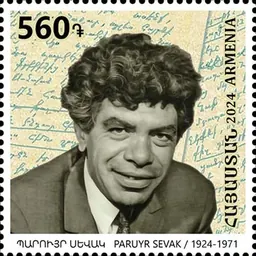



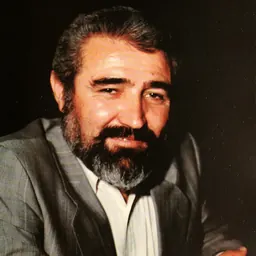
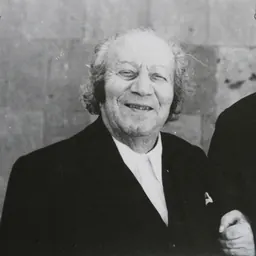
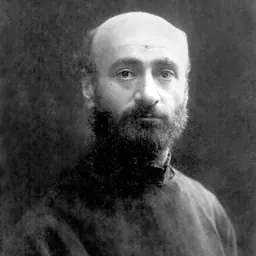
Related people
Same field, nearest in time


Contemporaries
People whose lives overlapped Hamo Sahyan's
Frequently asked questions
Who was Hamo Sahyan?
Armenian poet and translator (1914–1993)
When was Hamo Sahyan born?
Hamo Sahyan was born on 14 April 1914 in Lor.
When did Hamo Sahyan die?
Hamo Sahyan died on 16 July 1993 in Yerevan.
What was Hamo Sahyan's occupation?
Hamo Sahyan was a poet and translator.
What nationality was Hamo Sahyan?
Hamo Sahyan was Russian and Armenian.
Sources & further reading
Cite this page
APA: Biography.guide. (2026). Hamo Sahyan. https://biography.guide/hamo-sahyan/
MLA: "Hamo Sahyan." Biography.guide, https://biography.guide/hamo-sahyan/.
Chicago: "Hamo Sahyan." Biography.guide. https://biography.guide/hamo-sahyan/.
Data last updated: 2026-09-25 · Spot an error? Report a correction.
Page generated 2026-09-27 05:12 UTC