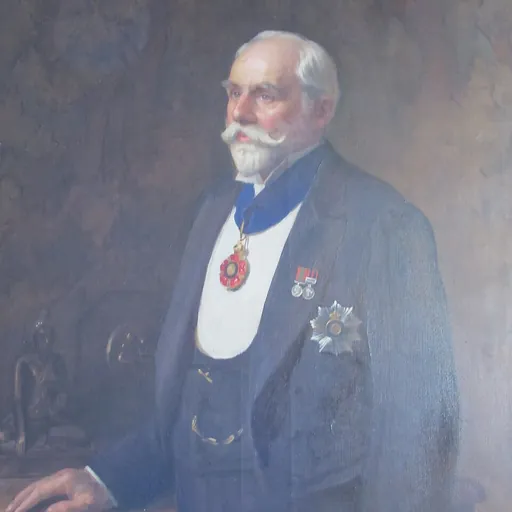
About Guilford Lindsey Molesworth
Lived 1828 – 1925 (aged 96). Guilford Lindsey Molesworth was a civil engineer and engineer.
Sir Guilford Lindsey Molesworth (1828–1925) was an English civil engineer.
Early years and family Molesworth was born in Millbrook, Hampshire, the son of John Edward Nassau Molesworth, Vicar of Rochdale. The elder Molesworth was a great-grandson of Robert Molesworth, 1st Viscount Molesworth. Sir Guildford's great niece was Margaret Patricia Molesworth (1904–1985), the grandmother of Sophie, Duchess of Edinburgh. Molesworth and his four brothers - William, solicitor John, George and Rennell - were educated at the King's School, Canterbury where he found football "a great attraction". He then attended the College for Civil Engineers at Putney, apprenticed under Mr Dockray in the London and North Western Railway, and under Sir William Fairbairn at Manchester.
Career in England, India and Ceylon He became a chief assistant engineer of the London, Brighton and South Coast Railway, but soon resigned to conduct the constructions at the Royal Arsenal, Woolwich, during the Crimean War. He received the Watt Medal and the Manby premium in 1858 from the Institution of Civil Engineers for his paper on Conversion of Wood by Machinery. He returned to London for a number of years, worked at his profession, then went to Ceylon in 1859 and in 1862 became chief engineer of the government railways in Ceylon. From 1871 to 1889 he lived in India and was consulting engineer to the Indian government with regard to State railways. He was made a Knight Commander of the Order of the Indian Empire (KCIE) by Queen Victoria in 1888, the year she elevated her Indian manservant, Abdul Karim, to the position of Munshi. He received medals from the British Government for his services during the Afghan War and the Burma War, and was president of the Institution of Civil Engineers in 1904.
Gauge
Molesworth was consulted on a number of occasions on the suitability of adopting a narrow gauge rather than a broad one. He was generally against the narrow gauge as he regarded the cost savings as illusory. His broad gauge line to Kandy was meant to prove that the gauge was practicable in steep mountains.
Don’t just read it —
keep it.
Full-length biographies made to live with: read them, listen on the way to work, watch them tonight.
- E-book
- Audio
- Video
Instant download · yours to keep · every purchase keeps this site free
Important facts
People in Guilford Lindsey Molesworth's life
Named in this biography and alive at the same time

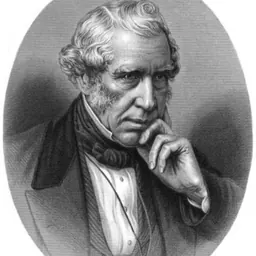

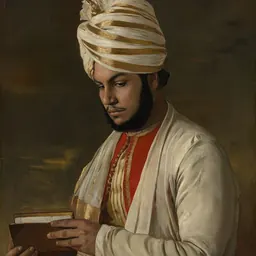
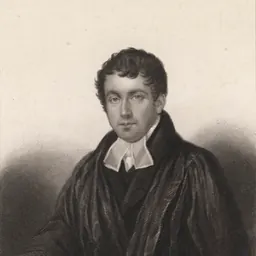

Related people
Same field, nearest in time
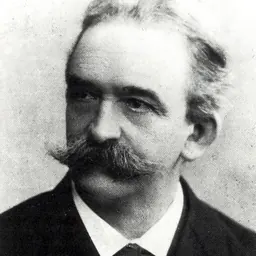

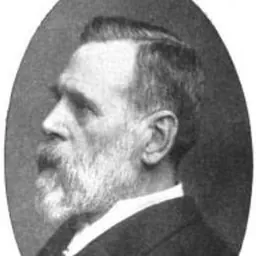
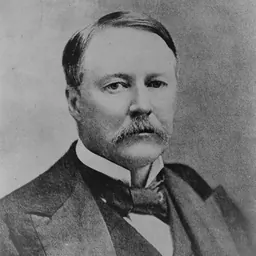


Contemporaries
People whose lives overlapped Guilford Lindsey Molesworth's





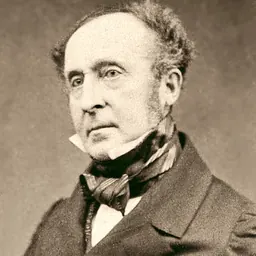
Frequently asked questions
Who was Guilford Lindsey Molesworth?
civil engineer from Britain
When was Guilford Lindsey Molesworth born?
Guilford Lindsey Molesworth was born on 3 May 1828.
When did Guilford Lindsey Molesworth die?
Guilford Lindsey Molesworth died on 21 January 1925.
What was Guilford Lindsey Molesworth's occupation?
Guilford Lindsey Molesworth was a civil engineer and engineer.
What nationality was Guilford Lindsey Molesworth?
Guilford Lindsey Molesworth's recorded nationality: English (people).
Sources & further reading
· Wikipedia: Guilford Lindsey Molesworth
· DBpedia: Guilford Lindsey Molesworth
Cite this page
APA: Biography.guide. (2026). Guilford Lindsey Molesworth. https://biography.guide/guilford-lindsey-molesworth/
MLA: "Guilford Lindsey Molesworth." Biography.guide, https://biography.guide/guilford-lindsey-molesworth/.
Chicago: "Guilford Lindsey Molesworth." Biography.guide. https://biography.guide/guilford-lindsey-molesworth/.
Data last updated: 2026-09-22 · Spot an error? Report a correction.
Portrait: Wikimedia Commons · author & licence
Page generated 2026-09-27 05:04 UTC