
About Gonzague de Reynold
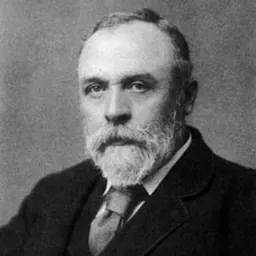
Lived 1880 – 1970 (aged 89). Gonzague de Reynold was a Swiss historian, writer, university teacher, poet, environmentalist and literary scholar.
Gonzague de Reynold (15 June 1880 – 9 April 1970) was a Swiss writer, historian, and right-wing political activist. Over the course of his six-decade career, he wrote more than thirty books outlining his traditionalist Catholic and Swiss nationalist worldview.
De Reynold won the Schiller Prize in 1955. With René de Weck and Léon Savary, he formed the troika of Fribourg writers of the early twentieth century.
Life A member of the minor Fribourgeois nobility, de Reynold was born at his family's sixteenth-century chateau in Cressier. He studied at Collège Saint-Michel, the Sorbonne, and the Institut Catholique de Paris before returning to Switzerland to teach philosophy and French literature at the University of Bern and the University of Fribourg. His work was part of the literature event in the art competition at the 1924 Summer Olympics.
Consistently "sceptical of liberal democracy and scathing about modernity in all its forms", de Reynold devoted his life to the promotion of Swiss nationalist and right-wing, traditionalist Catholic causes. In letters, he described longtime Portuguese dictator António de Oliveira Salazar as a friend and paid a personal visit to Benito Mussolini in 1933.
Although mostly active in Swiss affairs, in de Reynold's view his Fribourgeois, Swiss, Catholic, and European identities were inextricably linked, and he devoted two decades of his career to international affairs in service of this belief. He served as the Swiss delegate to and rapporteur of the International Committee on Intellectual Cooperation, a body of the League of Nations and precursor to UNESCO, from its inception in 1922 to its demise in 1939. Along with other prominent Catholics at the League, including Oskar Halecki and Secretaries-General Eric Drummond and Joseph Avenol, de Reynold used his position to promote the interests and values of the Holy See and the Catholic Church, in opposition to the more prevalent secular tendencies within the international organisation.
Don’t just read it —
keep it.
Full-length biographies made to live with: read them, listen on the way to work, watch them tonight.
- E-book
- Audio
- Video
Instant download · yours to keep · every purchase keeps this site free
Important facts
People in Gonzague de Reynold's life
Named in this biography and alive at the same time


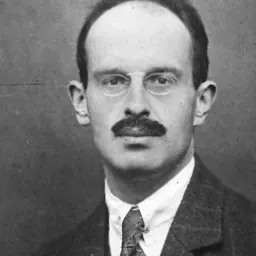

Related people
Same field, nearest in time
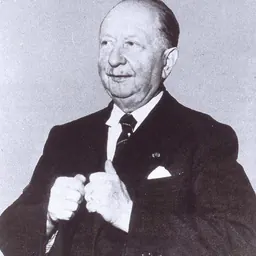
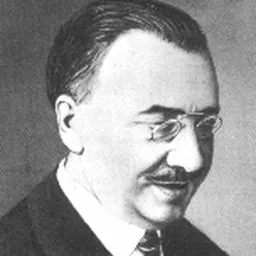
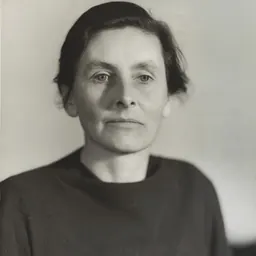
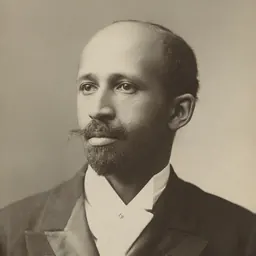
Contemporaries
People whose lives overlapped Gonzague de Reynold's

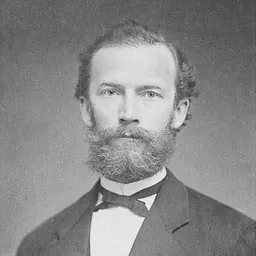

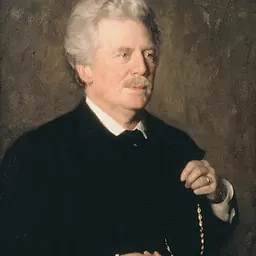
Frequently asked questions
Who was Gonzague de Reynold?
Swiss writer and historian (1880–1970)
When was Gonzague de Reynold born?
Gonzague de Reynold was born on 15 July 1880 in Cressier, Fribourg.
When did Gonzague de Reynold die?
Gonzague de Reynold died on 9 April 1970 in Fribourg.
What was Gonzague de Reynold's occupation?
Gonzague de Reynold was a historian, writer, university teacher, poet, environmentalist and literary scholar.
What nationality was Gonzague de Reynold?
Gonzague de Reynold was Swiss.
Sources & further reading
· Wikipedia: Gonzague de Reynold
· DBpedia: Gonzague de Reynold
Cite this page
APA: Biography.guide. (2026). Gonzague de Reynold. https://biography.guide/gonzague-de-reynold/
MLA: "Gonzague de Reynold." Biography.guide, https://biography.guide/gonzague-de-reynold/.
Chicago: "Gonzague de Reynold." Biography.guide. https://biography.guide/gonzague-de-reynold/.
Data last updated: 2026-09-20 · Spot an error? Report a correction.
Page generated 2026-09-27 05:28 UTC