
About Gísli Pálsson
Born 1949. Gísli Pálsson is an Icelandic university teacher, writer and anthropologist.
Gísli Pálsson is an Icelandic anthropologist and academic. He is a Professor Emeritus of Anthropology at the University of Iceland, formerly a professor at the University of Oslo.
Pálsson has worked in environmental anthropology, fishing communities, extinction studies, and arctic cultures. He is the author or editor of numerous books, including The Last of Its Kind: The Search for the Great Auk and the Discovery of Extinction (2024), The Human Age: How We Created the Anthropocene Epoch and Caused the Climate Crisis (2020), Anthropology and The New Genetic (2007), and Nature, Culture, and Society: Anthropological Perspectives on Life (2016). He is the recipient of the Rosenstiel Award in Oceanographic Science from the University of Miami.
Pálsson is a Fellow of the Royal Anthropological Institute of Great Britain and Ireland and, formerly, Swedish Collegium for Advanced Study (SCAS). He authored the guest editorial titled "Anthropologies of Extinction" for Anthropology Today in 2023.
Education Born on 22 December 1949, Pálsson grew up in the Westman Islands. He earned his bachelor's degree in Social Science from the University of Iceland in June 1972. He pursued his M.A. (Economics) in Social Anthropology at the University of Manchester in 1974, and obtained his Ph.D. in Biological Sciences from the same university in July 1982, under the supervision of Tim Ingold. and held a concurrent appointment as Professor II in the Department of Anthropology at the University of Oslo.
Pálsson has conducted fieldwork in various locations, such as Iceland, northern Canada, the Cape Verde Islands, and the US Virgin Islands. Furthermore, he has focused on the field of genomic anthropology, conducting research on Inuit populations in Nunavut and Greenland, as well as Icelandic groups.
Ethnography In his early research, partly with E. Paul Durrenberger at Iowa, he explored the concepts of personal enskilment and success in Icelandic fishing, investigating how individuals actively engage with their environment and acquire skills beyond mere knowledge acquisition. His work emphasized the importance of considering the whole person, master-apprentice relationships, and the broader community in understanding the complexities of skills acquisition within the Icelandic fishing context. He has also investigated the complex relationship between humans and the environment in his book Nature, Culture, and Society: Anthropological Perspectives on Life and evaluated the limitations of a dualist paradigm in understanding environmental dynamics. In addition, he has looked into the migration history and population structure of Inuit populations in Greenland and Canada, with Agnar Helgason. By analyzing mtDNA control-region sequences, this research uncovered the prevalence of specific haplotypes within Inuit populations, which has significant implications for the understanding of ancestral origins. It further challenged the assumption of exclusive Thule ancestry in the Inuit and suggested a history of interactions and interbreeding with pre-existing Dorset populations. He has also studied the genetic, genealogical, and medical databases constructed for Iceland's population and their implications within the domestic context. Moreover, his research has examined the use of modern biotechnology and bioinformatics for commercial, medical, and scientific purposes, while further assessing the diverse responses and criticisms these developments have received, emphasizing the imperative of understanding moral debates and providing insights for informed public decision-making.
Environmental anthropology Palsson's work in the field of environmental anthropology has explored geosocialities, revealing the intricate connections between planetary processes, volcanic activities, living organisms, species histories, and dissolved mineral compounds. His research has unveiled the vitality of non-life entities, as evidenced by the phenomena observed in Icelandic volcanoes. Moreover, his research has shed light on the topic of sustainability transitions, emphasizing the profound implications of the advent of the Anthropocene epoch. Recognizing the changing human condition in the context of global environmental change, he has highlighted the need for innovative approaches and adaptations in the humanities and social sciences.
Genomic anthropology Pálsson's research has also focused on the field of genomic anthropology. In the domains of anthropology and personal genomics, he has evaluated the implications of services like deCODEme and 23andMe, emphasizing the collaboration between consumers and experts in shaping personal genomic information. Furthermore, he has contributed to understanding the intersection of genetics and anthropology and highlighted the importance of engaging with local notions of personhood and belonging in genomic studies, specifically in Nunavut and Greenland. He also proposed that exploring the human genome fosters interdisciplinary connections and challenges the nature-culture opposition.
Another aspect of the prominence of Pálsson's work is the depiction of slavery in race and culture. He analyzed the life of Hans Jonathan in The Man Who Stole Himself, which received the Vinson Sutlive Book Prize in Historical Anthropology administered by the College of William & Mary and was listed as one of the Times Literary Supplement Books of the Year in 2017.
Awards and honors 1995 and 2023 – Research Fellow, Swedish Collegium for Advanced Study in the Social Sciences (SCASSS) 1997 – The Cultural Prize for research, Vátryggingafélag Íslands, Reykjavík 2006 – Honorary Fellow, Royal Anthropological Institute of Great Britain and Ireland 2015–2016 – Fellow, Center for Advanced Study (CAS), Oslo 2017 – Times Literary Supplement Books of the Year, The Man Who Stole Himself
Don’t just read it —
keep it.
Full-length biographies made to live with: read them, listen on the way to work, watch them tonight.
- E-book
- Audio
- Video
Instant download · yours to keep · every purchase keeps this site free
Important facts
People in Gísli Pálsson's life
Named in this biography and alive at the same time
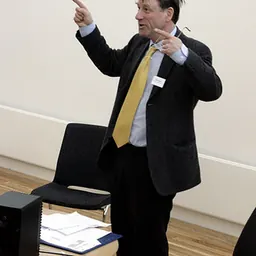

Related people
Same field, nearest in time
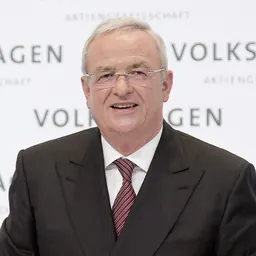
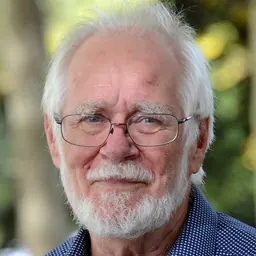
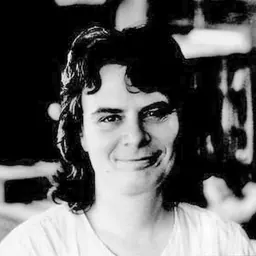

Contemporaries
People whose lives overlapped Gísli Pálsson's




Frequently asked questions
Who is Gísli Pálsson?
Icelandic scholar
When was Gísli Pálsson born?
Gísli Pálsson was born in 1949 in Vestmannaeyjar.
What is Gísli Pálsson's occupation?
Gísli Pálsson is a university teacher, writer and anthropologist.
What nationality is Gísli Pálsson?
Gísli Pálsson is Icelandic.
Sources & further reading
Cite this page
APA: Biography.guide. (2026). Gísli Pálsson. https://biography.guide/gisli-palsson/
MLA: "Gísli Pálsson." Biography.guide, https://biography.guide/gisli-palsson/.
Chicago: "Gísli Pálsson." Biography.guide. https://biography.guide/gisli-palsson/.
Data last updated: 2026-09-20 · Spot an error? Report a correction.
Page generated 2026-09-27 05:03 UTC