
About George Olsen
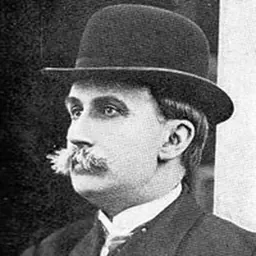
Lived 1893 – 1971 (aged 78). George Olsen was an American musician, bandleader and conductor.
George Edward Olsen Sr. (March 18, 1893 – March 18, 1971) He then made the cross-country transition to Broadway, appearing in Kid Boots, the Ziegfeld Follies of 1924, Ziegfeld Follies of 1925, and Good News (1927).
George Olsen and his orchestra were in Eddie Cantor's 1928 Broadway hit Whoopee!, and in the 1930 movie version. In the Follies George met a singer, Ethel Shutta, who sings and dances memorably in Whoopee!, and they married, appearing together in nightclubs and on radio. They had two children, George Jr. and Charles; following a divorce, Olsen opened a restaurant in Paramus, New Jersey. Olsen and Shutta were heard on the Oldsmobile Program on CBS radio in 1933. He also was an orchestra leader for The Jack Benny Program on radio.
In 1924, Olsen signed with the Victor Talking Machine Company and remained one of Victor's most popular bands until 1933 when he joined Columbia Records. He stayed with Columbia through January, 1934. He recorded a single session in 1938 for Decca, and one final date for the rare Varsity label in 1940.
Olsen's bands produced few stars. Singer-saxophonist Fred MacMurray passed through in 1930 on his way to eventual movie stardom, recording a vocal on I'm in the Market for You. Olsen's long-time alto saxist and singer, Fran Frey, with his distinctive, reedy bass-baritone, was perhaps the best known Olsenite until he left in 1933 for a career as a music director in radio.
In 1936, Olsen became leader of Orville Knapp's band after Knapp died in a plane crash. Olsen was chosen to lead the band by Knapp's widow. Morale problems plagued the group, and in 1938, after many musicians had already left, the group disbanded.
A resident of Paramus, New Jersey, Olsen ran a popular local restaurant there on Paramus Road for many years before he died there on March 18, 1971. According to John S. Wilson in The New York Times, reviewing a retrospective of Olsen's recording "George Olsen and His Music" on RCA Victor, in 1968, Olsen had a restaurant in Paramus, New Jersey, called "George Olsen's". Wilson noted that "Olsen is there every day greeting guests at lunch and dinner... In the background, the original George Olsen records of the Twenties play softly.
After his divorce from Shutta, Olsen married Claralee Pilcer.
Discography (partial) "Beale Street Blues" (1924) "Biminy" (1924) "Everybody Loves My Baby" (1925) "He's The Hottest Man in Town" (1924) "My Best Girl" (1924) "My Papa Doesn't Two-Time No Time" (1924) "Nancy" (1924) "Put Away A Little Ray Of Golden Sunshine For A Rainy Day" (1924) "Sax-o-phun" (1924) "The Slave of Love" (1924) "You'll Never Get To Heaven With Those Eyes" (1924) "Horses" (1926) "Lullaby of the Leaves" (1932)
Don’t just read it —
keep it.
Full-length biographies made to live with: read them, listen on the way to work, watch them tonight.
- E-book
- Audio
- Video
Instant download · yours to keep · every purchase keeps this site free
Important facts
People in George Olsen's life
Named in this biography and alive at the same time




Related people
Same field, nearest in time
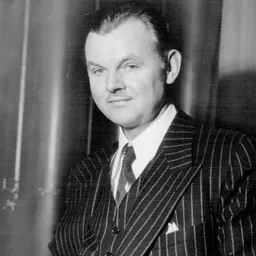



Contemporaries
People whose lives overlapped George Olsen's
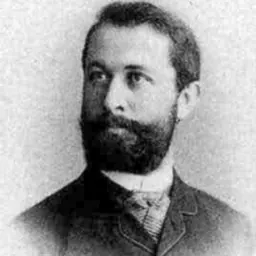

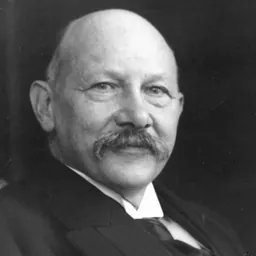
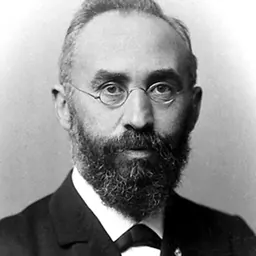

Frequently asked questions
Who was George Olsen?
American bandleader (1893-1971)
When was George Olsen born?
George Olsen was born on 18 March 1893 in Portland.
When did George Olsen die?
George Olsen died on 18 March 1971 in Paramus.
What was George Olsen's occupation?
George Olsen was a musician, bandleader and conductor.
What nationality was George Olsen?
George Olsen was American.
Sources & further reading
Cite this page
APA: Biography.guide. (2026). George Olsen. https://biography.guide/george-olsen/
MLA: "George Olsen." Biography.guide, https://biography.guide/george-olsen/.
Chicago: "George Olsen." Biography.guide. https://biography.guide/george-olsen/.
Data last updated: 2026-09-26 · Spot an error? Report a correction.
Page generated 2026-09-27 05:14 UTC