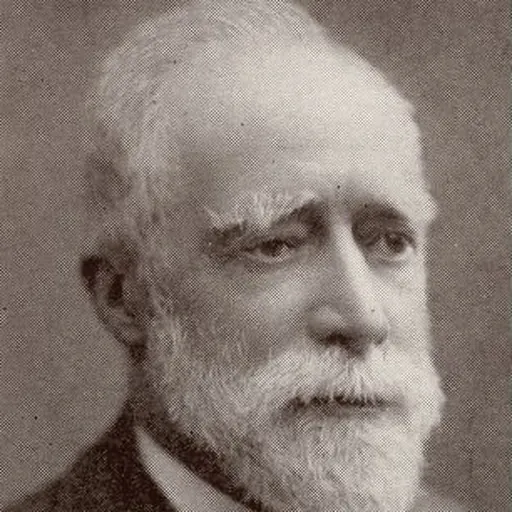
About George Corson
Lived 1829 – 1910 (aged 80–81). George Corson was a British architect.
George Corson (1829–1910) was a Scottish architect active in Leeds, West Yorkshire, England.
Background Corson was born in Dumfries, where he was articled to Walter Newall before moving to Leeds in 1849 to work with his brother William Reid Corson who was working there with Edward La Trobe Bateman. His brother left Leeds in 1860, leaving Corson in charge of the practice.
In Leeds, Corson was president of the Leeds and Yorkshire Architectural Association by 1898.
Works Corson was responsible for many buildings in Leeds including: the Grand Theatre (1877–78), with his assistant James Robinson Watson – Grade II* listed the municipal buildings (1878–84) – Grade II* listed, now housing the Leeds Central Library.
an extension (1891–92) to George Gilbert Scott's Grade I listed Leeds General Infirmary Apsley House (formerly Concourse House) (1903) – originally a drapers and haberdashery warehouse for Crowe & Co and now occupied by Sky Sports many large houses in Headingley including the Grade II* listed Spenfield St Edmund's Church, Roundhay, Leeds, designed 1873. Bewerley Street School, Bewerley Street, Dewsbury Road, Leeds, designed 1872. St Silas National School, Goodman Street, Hunslet, designed 1872. Additions and alterations to Ripon Grammar School, designed 1875. Leeds School of Medicine, Park Street, inaugurated 1865. the warehouse (1859) at the textile manufacturing premises of Francis Lupton in Wellington Street Leeds, the plans (June 1870) for the Lupton family's Newton Hall/Newton Park Estate in Potternewton, and the 1860 Victorian wing of the Lupton family's Beechwood Estate, Roundhay; known as Corson House.
Roundhay Park and Lawnswood Cemetery Corson won a competition for the landscaping of Roundhay Park in 1873, and in 1874 designed the layout and many of the buildings of Lawnswood cemetery, where he himself was buried in 1910. His gravestone, a Celtic cross with five bosses, is Grade II listed, one of only four listed memorials at Lawnswood.
Don’t just read it —
keep it.
Full-length biographies made to live with: read them, listen on the way to work, watch them tonight.
- E-book
- Audio
- Video
Instant download · yours to keep · every purchase keeps this site free
Important facts
People in George Corson's life
Named in this biography and alive at the same time
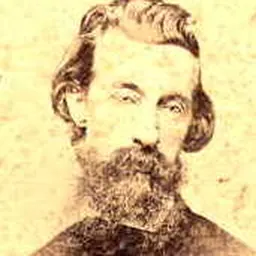
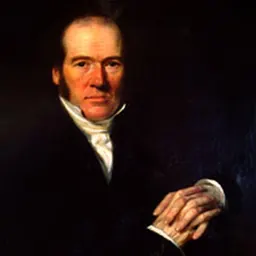

Related people
Same field, nearest in time
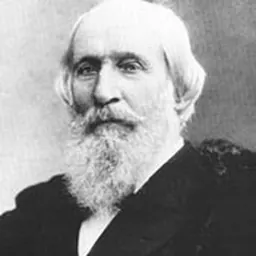

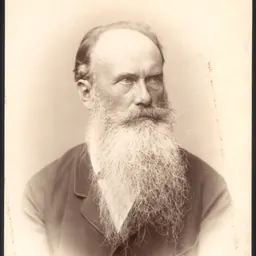


Contemporaries
People whose lives overlapped George Corson's



Frequently asked questions
Who was George Corson?
British architect
When was George Corson born?
George Corson was born in 1829 in Dumfries.
When did George Corson die?
George Corson died in 1910.
What was George Corson's occupation?
George Corson was an architect.
What nationality was George Corson?
George Corson was British.
Sources & further reading
Cite this page
APA: Biography.guide. (2026). George Corson. https://biography.guide/george-corson/
MLA: "George Corson." Biography.guide, https://biography.guide/george-corson/.
Chicago: "George Corson." Biography.guide. https://biography.guide/george-corson/.
Data last updated: 2026-09-22 · Spot an error? Report a correction.
Portrait: Wikimedia Commons · author & licence
Page generated 2026-09-27 05:02 UTC