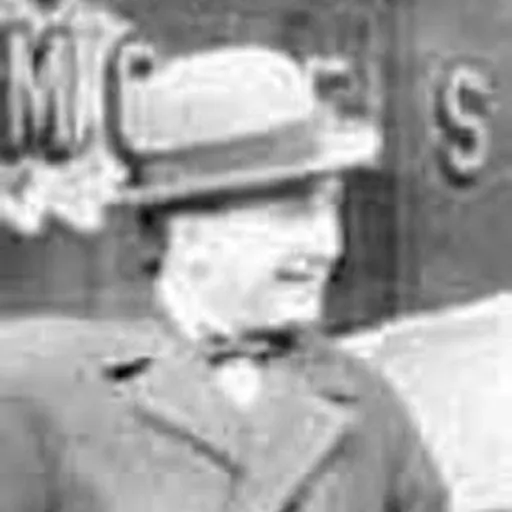
About Gabriel Grovlez
Lived 1879 – 1944 (aged 65). Gabriel Grovlez was a French conductor, composer, music educator, university teacher, music critic and musicologist.
Gabriel Marie Grovlez (4 April 1879 – 20 October 1944) was a French composer, conductor, pianist, and music critic.
Early life and education Grovlez was born in Lille in 1879. His mother – the child of one of Chopin's students – was his first piano teacher. Grovlez attended the Conservatoire de Paris, where he studied with Gabriel Fauré, Louis Diémer, André Gedalge, Descombes, Kaiser and Lavignac.
Career Grovlez toured Europe as an accompanist to Henri Marteau, violinist,
From 1914 to 1933, he was the director of the Opéra de Paris ("Societé Nationale de l'Opéra"), He also wrote reviews for Paris music journals including Excelsior (1916–17) and L'Art musical (1937–39).
Grovlez died in Paris in 1944, at the age of 65. He wrote around 50 songs, described by Graham Johnson and Richard Stokes as often having "an elegant and sometimes whimsical effect" in performance. Good examples of his vocal writing include Trois Mélodies sur des poèmes de Jacques Heugel; Paroles à l'absente, setting poems by G. Jean-Aubry (1918); and Guitares et mandolines (1913), setting a work by Camille Saint-Saëns. He also wrote music for children, including the popular L'Almanach aux images for piano.
Selected works Stage Cœur de rubis, Légende féérique (opera) in 3 acts (1906), libretto by Gabriel Montoya Maïmouna, fantasy-ballet in 2 scenes (1916), libretto by P. André Gérard La Vrai arbre de Robinson, ballet in 1 act (1921) Le Marquis de Carabas, "conte lyrique" in 3 acts (1926), libretto by R. Coolus La Princesse au jardin, ballet in 1 act (1943), libretto by Émile Vuillermoz
Orchestra Dans le jardin (1907), tone poem for soprano, female choir and orchestra La Vengeance des fleurs (1910) Le Reposoir des amants (1914)
Chamber music Sonata for violin and piano (1908) Divertissement for flute and piano (1912) Concertino for flute or clarinet and piano Lamento et tarentelle for clarinet and piano (1923) Romance et scherzo for flute and piano (1927) Sarabande et allegro for oboe and piano (1929) Sicilienne et allegro giocoso for bassoon and piano (1930) Romance, scherzo et finale for viola and piano (1932) Sonata for cello and piano (1936) Romance et scherzo for flute and viola
Piano Au jardin de l'enfance, 6 pieces after L'Art d'être grand-père by Victor Hugo (1907). Contains: La Sieste; Chose du soir; Chanson de grand-père; Chanson d'ancêtre; Chanson pour faire danser en rond les petits enfants; Pepita. 3 Improvisations sur Londres (3 Impressions of London) (1910). Contains: ''Westminster Abbey; The Park; Soir de dimanche sur les bords de la Tamise L'Almanach aux images, 8 Pieces after poems of Tristan Klingsor (1911). Contains: Les Marionnettes; Berceuse de la poupée; La Sarabande; Chanson du chasseur; Les Ånes; Le Pastour; Chanson de l'escarpolette; Petites litanies de Jésus. Trois Pièces (1913). Contains: Évocation; Barcarolle; Scherzo Fancies (1915). Contains: Sérénade; Nocturne; Petite valse; Berceuse; Fileuse; Rêverie; Cake Walk. Trois Valses romantiques (1917) Deux Études de difficulté transcendante (1919) Impressions, 2 pieces (1934)
Vocal La Chambre blanche, 10 Songs on poems of Henry Bataille (1903) La Flûte for voice and piano (1907); words by José-Maria de Heredia Sagesse, 5 Poems of Paul Verlaine for high voice and piano (1910) Trois Mélodies sur des poèmes de Jean Dominique for voice and piano (1912) Guitares et mandolines for voice and piano (1913); words by Camille Saint-Saëns Les Mélancolies passionnées, 8 Songs on poems of Charles Guérin (1924) Trois Ballades françaises for voice and piano on poems of Paul Fort (1927)
Don’t just read it —
keep it.
Full-length biographies made to live with: read them, listen on the way to work, watch them tonight.
- E-book
- Audio
- Video
Instant download · yours to keep · every purchase keeps this site free
Important facts
People in Gabriel Grovlez's life
Named in this biography and alive at the same time




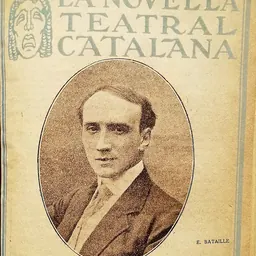
Related people
Same field, nearest in time

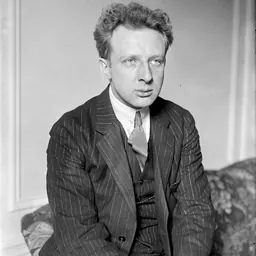
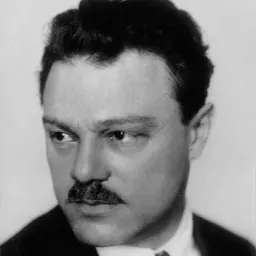

Contemporaries
People whose lives overlapped Gabriel Grovlez's
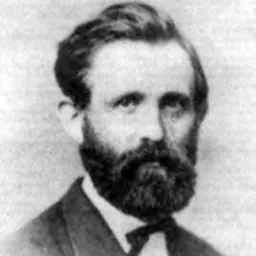

Frequently asked questions
Who was Gabriel Grovlez?
eminent French composer and conductor (1879–1944)
When was Gabriel Grovlez born?
Gabriel Grovlez was born on 4 April 1879 in Lille.
When did Gabriel Grovlez die?
Gabriel Grovlez died on 20 October 1944 in Paris.
What was Gabriel Grovlez's occupation?
Gabriel Grovlez was a conductor, composer, music educator, university teacher, music critic and musicologist.
What nationality was Gabriel Grovlez?
Gabriel Grovlez was French.
Sources & further reading
Cite this page
APA: Biography.guide. (2026). Gabriel Grovlez. https://biography.guide/gabriel-grovlez/
MLA: "Gabriel Grovlez." Biography.guide, https://biography.guide/gabriel-grovlez/.
Chicago: "Gabriel Grovlez." Biography.guide. https://biography.guide/gabriel-grovlez/.
Data last updated: 2026-09-23 · Spot an error? Report a correction.
Portrait: Wikimedia Commons · author & licence
Page generated 2026-09-27 05:07 UTC