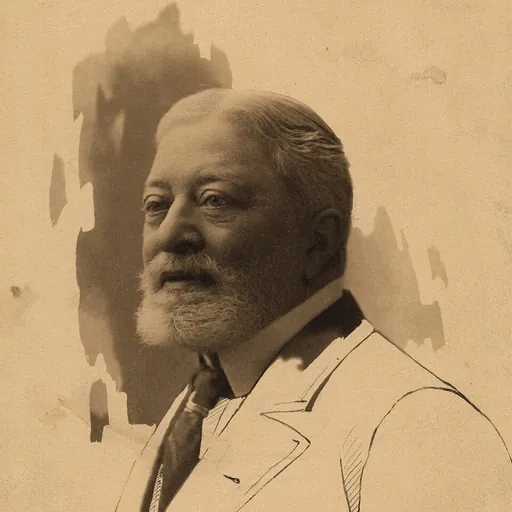
Francesco Paolo Tosti
Italian, later British composer and music teacher
About Francesco Paolo Tosti
Lived 1846 – 1916 (aged 70). Francesco Paolo Tosti was an Italian and British composer, musicologist, music educator, singer and opera singer.
Sir Francesco Paolo Tosti KCVO (9 April 1846, Ortona, Abruzzo2 December 1916, Rome) was an Italian composer and music teacher. Today, he is remembered mostly for his light-hearted songs, which are popular among vocal students.
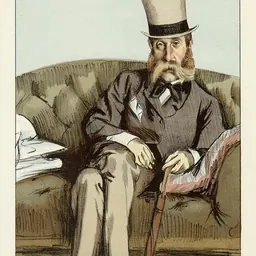
Biography "For ever and for ever". Caricature by Ape published in Vanity Fair in 1885
Francesco Paolo Tosti received most of his music education in his native Ortona, Italy, as well as at the conservatory in Naples. Tosti began studying at the Royal College of San Pietro a Majella in Naples at the age of eleven.
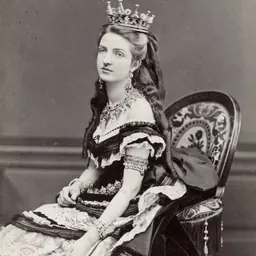
Once recovered from his illness, Tosti moved to Ancona, where his poverty was such that for weeks at a time he subsisted on nothing but oranges and stale bread. His travels brought him to Rome, where his fortunes turned. He met the pianist and composer Giovanni Sgambati, who became his patron. Sgambati arranged for Tosti to give a concert at the Sala Dante which the Princess Margherita of Savoy (who would become Queen of Italy in 1878) attended. Impressed with his performance, she appointed him as her singing professor. She later appointed him curator of the Musical Archives of Italy at the Court. A memorial plaque on his former home at 12 Mandeville Place, Marylebone (now the Mandeville Hotel) was unveiled on 12 June 1996.
In 1913 he returned to Italy to spend his last years there. He died in Rome on 2 December 1916.
Works
Tosti is remembered for his light, expressive songs, which are characterised by natural, singable melodies and sweet sentimentality. He is also known for his editions of Italian folk songs entitled .
His style became very popular during the Belle Époque and is often known as salon music. There is, however, much evidence (albeit fleeting) of a more serious composer particularly in the Canti popolari Abruzzesi, particularly in the introduction to "No. 8 First Waltz".
His most famous works are "'A vucchella" (lyrics by the italian poet Gabriele D'Annunzio), "Serenata" (lyrics: Cesareo), "Good-bye!" (lyrics: George Whyte-Melville) which is sometimes performed in Italian as "Addio" (lyrics: Rizzelli), and the popular Neapolitan song, "Marechiare", the lyrics of which are by the prominent Neapolitan dialect poet, Salvatore Di Giacomo. "Malia", "Ancora" and "Non t'amo piu" were and remain popular concert pieces.
Tosti wrote well for the voice, allowing, indeed encouraging, interpretation and embellishment from operatic singers. Most artists, therefore, specialising in the classical Italian repertoire have performed and recorded Tosti songs; yet Tosti never composed opera. Notable examples on record include Alessandro Moreschi (the only castrato ever recorded) singing "Ideale", Mattia Battistini singing "Ancora", Nellie Melba singing "Mattinata" and Enrico Caruso singing "A vuchella" and "L'alba separa dalla luce l'ombra".
Songs
'A vucchella Adieu, My Dear (1887, text by Thomas Carlyle) Amour! Ancora! Aprile Ave Maria Chanson de l'Adieu Chitarrata Abruzzese Donna, vorrei morir È' morto Pulcinella! For ever and for ever! Good-Bye! (1880) Ideale Il pescatore canta Il segreto L'alba separa dalla luce l'ombra L'ultima canzone L'ultimo bacio La Mia Canzone La Rinnovazione La serenata Lontano dagli occhi Luna d'estate Lungi M'amasti mai? Malìa Marechiare My love and I Ninon Non mi guardare! Non t'amo più! O falce di luna calante Oblio! Oh! quanto io t'amereit! Parted Patti chiari! Penso Pierrot's Lament Plaintes d'Amour (1876) Pour un baiser Povera mamma! Preghiera Preghiera (Alla mente confusa) Quattro canzoni di Amaranta Lasciami, lascia ch' io respiri L'alba separa dalla luce l'ombra In van preghi Che dici, o parola del saggio Ride bene chi ride l'ultimo Ridonami la calma Sogno T'amo Ancora! Tormento Tristezza Vorrei Vorrei morire!
Don’t just read it —
keep it.
Full-length biographies made to live with: read them, listen on the way to work, watch them tonight.
- E-book
- Audio
- Video
Instant download · yours to keep · every purchase keeps this site free
Important facts
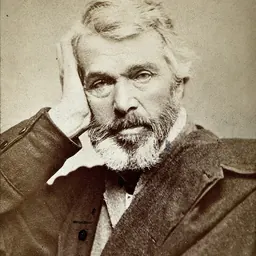
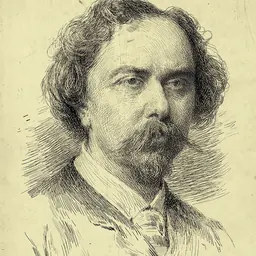
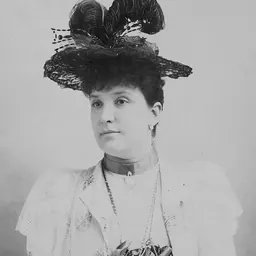
People in Francesco Paolo Tosti's life
Named in this biography and alive at the same time

Related people
Same field, nearest in time


Contemporaries
People whose lives overlapped Francesco Paolo Tosti's


Frequently asked questions
Who was Francesco Paolo Tosti?
Italian, later British composer and music teacher (1846–1916)
When was Francesco Paolo Tosti born?
Francesco Paolo Tosti was born on 9 April 1846 in Ortona.
When did Francesco Paolo Tosti die?
Francesco Paolo Tosti died on 2 December 1916 in Rome.
What was Francesco Paolo Tosti's occupation?
Francesco Paolo Tosti was a composer, musicologist, music educator, singer and opera singer.
What nationality was Francesco Paolo Tosti?
Francesco Paolo Tosti was Italian and British.
Sources & further reading
· Wikipedia: Francesco Paolo Tosti
Cite this page
APA: Biography.guide. (2026). Francesco Paolo Tosti. https://biography.guide/francesco-paolo-tosti/
MLA: "Francesco Paolo Tosti." Biography.guide, https://biography.guide/francesco-paolo-tosti/.
Chicago: "Francesco Paolo Tosti." Biography.guide. https://biography.guide/francesco-paolo-tosti/.
Data last updated: 2026-09-20 · Spot an error? Report a correction.
Portrait: Wikimedia Commons · author & licence
Page generated 2026-09-27 04:57 UTC