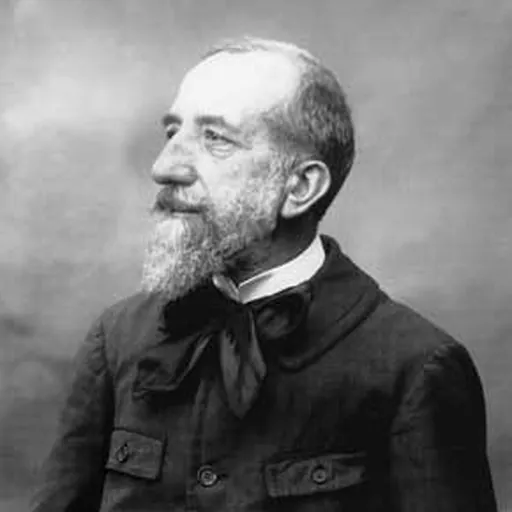
About Federico Zandomeneghi
Lived 1841 – 1917 (aged 76). Federico Zandomeneghi was an Italian painter.
Federico Zandomeneghi (; June 2, 1841 – December 31, 1917) was an Italian Impressionist painter.
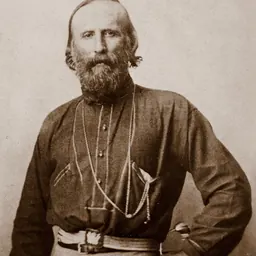
Biography Federico Zandomeneghi was born in Venice. His father Pietro and grandfather Luigi were neoclassic sculptors. The latter completed the monument to Titian found in the Frari of Venice. As a young man, he preferred painting to sculpture, enrolling in 1856 first in the Accademia di Belle Arti in Venice, and then in the Academy of Fine Arts of Milan. In 1859, to avoid conscription into the Austrian army, he fled Venice. By the next year in 1860, he tried to join with the forces of Giuseppe Garibaldi (1807–1882) in his Expedition of the Thousand. This made it uncomfortable for him to reside in Venice, leading to a brief incarceration, and in 1862, he moved to Florence for 5 years where he frequented the Caffè Michelangiolo. There he met a number of the artists known as the Macchiaioli, including Signorini, Martorelli, Giovanni Fattori and Giuseppe Abbati, and he joined them in painting landscapes outdoors. Painting outside of the studio, "en plein air", was at that time an innovative approach, allowing for a new vividness and spontaneity in the rendering of light.
By 1866, Zandomeneghi had returned to Venice. In 1871 Pompeo Molmenti wrote glowing assessments of three young Venetian painters: Guglielmo Ciardi, Alessandro Zezzos, and Zandomeneghi. In 1872, he would travel to Rome and paint one of his masterworks; I poverini sui gradini dell'Ara Coeli.
In 1874, he went to Paris, where he spent nearly the rest of his life. He quickly made the acquaintance of the Impressionists, who had just had their first group exhibition. Zandomeneghi, whose style of painting was similar to theirs, would participate in four of their later exhibitions, in 1879, 1880, 1881, and 1886. Like his close friend Edgar Degas he was primarily a figure painter, although Zandomeneghi's work was more sentimental in character than Degas'. He also admired the work of Mary Cassatt and Pierre-Auguste Renoir, and his many paintings of women in their domestic routines follow their example. To supplement the meager returns from the sale of his paintings, Zandomeneghi found work drawing illustrations for fashion magazines.
He took up working in pastels in the early 1890s, and became especially adept in this medium. At about this time his reputation and his fortunes were enhanced when the art dealer Durand-Ruel showed Zandomeneghi's work in the United States. From then on he enjoyed continuing modest success until his death in Paris in 1917.
Gallery
Don’t just read it —
keep it.
Full-length biographies made to live with: read them, listen on the way to work, watch them tonight.
- E-book
- Audio
- Video
Instant download · yours to keep · every purchase keeps this site free
Important facts
People in Federico Zandomeneghi's life
Named in this biography and alive at the same time



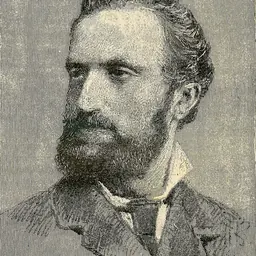
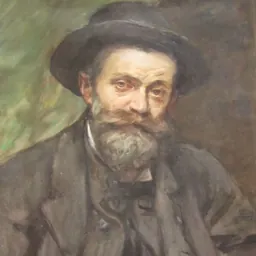
Related people
Same field, nearest in time
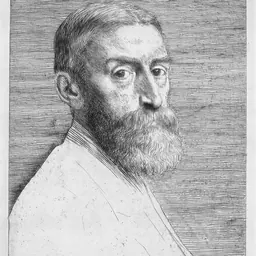
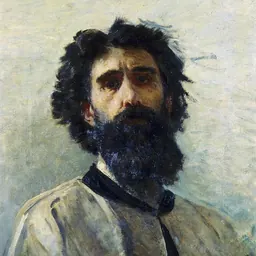

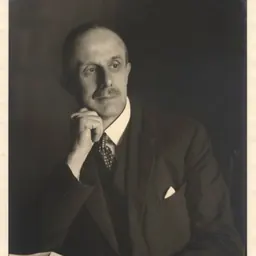
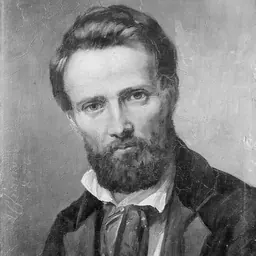
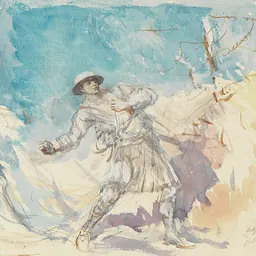
Contemporaries
People whose lives overlapped Federico Zandomeneghi's

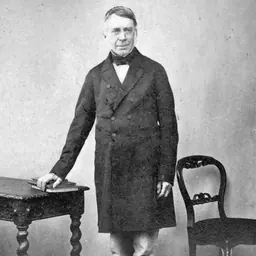

Frequently asked questions
Who was Federico Zandomeneghi?
Italian painter (1841-1917)
When was Federico Zandomeneghi born?
Federico Zandomeneghi was born on 2 June 1841 in Venice.
When did Federico Zandomeneghi die?
Federico Zandomeneghi died on 31 December 1917 in Paris.
What was Federico Zandomeneghi's occupation?
Federico Zandomeneghi was a painter.
What nationality was Federico Zandomeneghi?
Federico Zandomeneghi was Italian.
Sources & further reading
· Wikipedia: Federico Zandomeneghi
· DBpedia: Federico Zandomeneghi
Cite this page
APA: Biography.guide. (2026). Federico Zandomeneghi. https://biography.guide/federico-zandomeneghi/
MLA: "Federico Zandomeneghi." Biography.guide, https://biography.guide/federico-zandomeneghi/.
Chicago: "Federico Zandomeneghi." Biography.guide. https://biography.guide/federico-zandomeneghi/.
Data last updated: 2026-09-20 · Spot an error? Report a correction.
Portrait: Wikimedia Commons · author & licence
Page generated 2026-09-27 04:57 UTC