
About Élie Lescot
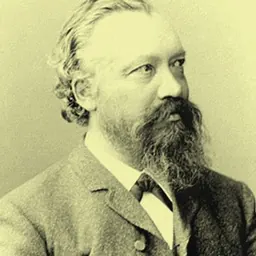
Lived 1883 – 1974 (aged 90). Élie Lescot was a Haitian pharmacist, politician and diplomat.
Antoine Louis Léocardie Élie Lescot (; December 9, 1883 – October 20, 1974) was the President of Haiti from May 15, 1941 to January 11, 1946. He was a member of the country's mixed-race elite. He used the political climate of World War II to sustain his power and ties to the United States of America, Haiti's powerful northern neighbor. His administration presided over a period of economic downturn and harsh political repression of dissidents. He was the last Haitian head of state to have been born in the 19th century.
Early life Lescot was born in Saint-Louis-du-Nord to a middle-class mixed-race family, descended from free persons of color in the colonial era. He traveled to Port-au-Prince to study pharmacy after completing his secondary education in Cap-Haïtien. He settled in Port-de-Paix to work in the export-import business.
After his first wife died in 1911, Lescot entered politics. He was elected to the Chamber of Deputies two years later. After a four-year stay in France during the United States occupation of Haiti (1915 to 1934), he returned and held posts in the Louis Borno and Sténio Vincent administrations. Four years later he was named ambassador to the neighboring Dominican Republic, where he forged an alliance with President Rafael Trujillo. He moved to Washington, D.C., after being appointed ambassador to the United States.
Wartime election His close political and economic ties to the United States helped lay the groundwork for his ascendancy to Haiti's presidency, and he received the State Department's tacit backing for his campaign to succeed Sténio Vincent in 1941. Prominent members of the Chamber of Deputies opposed his candidacy, arguing Haiti needed a black president from a majority African ancestry. Taking the advantage of Trujillo's influence, Lescot was said to buy his way into power. similar to Borno, which also got seen as a fascist. By 1946, his attempts to muzzle the opposition press sparked fierce student demonstrations; a revolt broke out in Port-au-Prince. Black-empowerment noirists, Marxists, and populist leaders joined forces in opposition. Crowds protested outside the National Palace, workers went on strike, and the homes of authorities were ransacked. Lescot's mulatto-dominated government was highly resented by Haiti's predominantly black military Garde. A three-person military junta took power in his place and pledged to organize elections. In the immediate aftermath of Lescot's exile, an independent radio and print press flourished and long-repressed dissident groups expressed optimism about Haiti's future. Dumarsais Estimé eventually succeeded Lescot as head of the republic, becoming Haiti's first black president since the US occupation.
Don’t just read it —
keep it.
Full-length biographies made to live with: read them, listen on the way to work, watch them tonight.
- E-book
- Audio
- Video
Instant download · yours to keep · every purchase keeps this site free
Important facts
Family & relationships
People in Élie Lescot's life
Named in this biography and alive at the same time
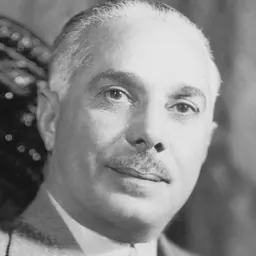


Related people
Same field, nearest in time
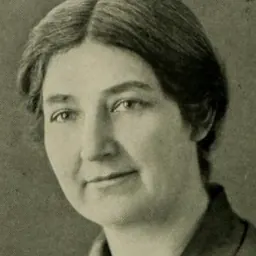




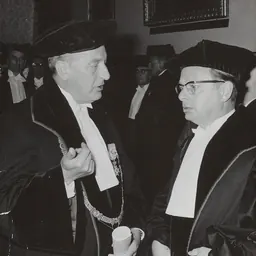
Contemporaries
People whose lives overlapped Élie Lescot's

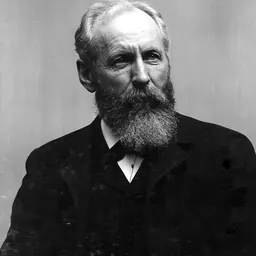

Frequently asked questions
Who was Élie Lescot?
President of Haiti (1883-1974)
When was Élie Lescot born?
Élie Lescot was born on 9 December 1883 in Saint-Louis-du-Nord.
When did Élie Lescot die?
Élie Lescot died on 20 October 1974 in Laboule.
What was Élie Lescot's occupation?
Élie Lescot was a pharmacist, politician and diplomat.
What nationality was Élie Lescot?
Élie Lescot was Haitian.
Sources & further reading
Cite this page
APA: Biography.guide. (2026). Élie Lescot. https://biography.guide/elie-lescot/
MLA: "Élie Lescot." Biography.guide, https://biography.guide/elie-lescot/.
Chicago: "Élie Lescot." Biography.guide. https://biography.guide/elie-lescot/.
Data last updated: 2026-09-26 · Spot an error? Report a correction.
Page generated 2026-09-27 05:15 UTC