
Edward H. Armstrong
Mayor of Daytona Beach, Florida
About Edward H. Armstrong
Lived 1880 – 1938 (aged 57). Edward H. Armstrong was an American.
Edward H. Armstrong (July 23, 1880 – January 2, 1938) was an American politician who served five terms as the Mayor of Daytona Beach, Florida, during the 1920s and 1930s. His tenure was defined by the complexities of the Great Depression and the Jim Crow era, including pervasive racial segregation and poll taxes.
Armstrong was noted for maintaining a strong political coalition that included support from Black voters—an unusual occurrence in the segregated South—which he secured by directing municipal aid and infrastructure improvements toward Black communities. Often described as a political game changer, Armstrong has remained a central figure in Daytona Beach’s history for his assertive leadership style and his role in the city's early 20th-century development.
Early life
Edward Howard Armstrong was born in St. Louis, Missouri and moved to Daytona, Florida in 1900 to work as a salesman for the Ralston Purina Company Flour Mill. He later opened up a grocery store called the Armstrong Grocery Company. By 1927, he owned several grocery stores throughout the east central Florida area.
Political career
On October 6, 1925, the soon to be consolidated city of Daytona Beach held its first municipal election and H. F. Brass was elected mayor. In 1926, the city of Daytona Beach was officially created from the merger of the city of Daytona and the towns of Daytona Beach and Seabreeze. Armstrong entered the Daytona Beach municipal election in 1927 as a candidate for mayor and had competition from three other candidates. With a local reputation as a successful businessman, and a well organized campaign, where he was able to gain the support of black voters via a biracial political coalition, he won the election. He was sworn into office in 1928 for his first term which lasted until 1929. He was defeated for re-election in 1929. In 1930, he made a political comeback by winning the mayor's office with 43% of the white vote and 82% of the black vote. During the 1933 election black voters were being purposely delayed at polls, preventing them from voting. Armstrong managed to convince Florida's Governor David Sholtz to mobilize the National Guard and keep the polls open until 9:30pm. This enabled about 550 black voters to vote later than the original poll closing time of 6:00pm, which assisted Armstrong in winning the 1933 "military election". In 1935, Daytona Beach created polling places in black neighborhoods which reduced the obstruction of black voters that had occurred during the previous election. Armstrong obtained a landslide victory with 91% of the black vote and 54% of the white vote, securing the mayor's office once again. In 1937, he was as politically strong as ever during his career as he won the election by a five-to-one margin with 91% of the black vote and 54% of the white vote. However, his administration (called "The Armstrong Machine") was able to accomplish many positive changes, including the award of New Deal funding for municipal projects that included upgrading city waterworks, public docks, the bus system, the municipal airport, and the building of the Oceanfront Park complex (which originally included a large beachfront park that had several small rectangular pavilions, octagonal kiosks, a bathhouse, coquina rock veneered shops and stores, concessions and game rooms, and two coquina rock veneered pedestrian underpasses). The surviving parts of the original park are the Daytona Beach Coquina Clock Tower, Daytona Beach Bandshell and the Edward H. Armstrong Monument. Sholtz appointed former city commissioner, Harry Wilcox, as mayor. But, Wilcox could not assume office because the Daytona Beach City Hall building was locked and barricaded. Two hundred National Guardsmen were ordered to Daytona Beach to install new officials appointed by Sholtz, and to confiscate the city's financial records. Approximately one hundred local policeman armed with riot guns and heavily armed city employees and supporters barricaded themselves inside the city hall building to protect Mayor Irene Armstrong and other city officials. Many city records were hauled away in garbage trucks and destroyed by city employees during this time.
A crowd of more than two thousand people gathered outside the building. It seemed an armed confrontation was about to occur. However, a temporary restraining order was issued by Circuit Court Judge Herbert Frederick that prevented the newly appointed officials from entering the building. On January 4, 1937, the Florida Supreme Court ruled to uphold the restraining order, and, on a technicality, vacated Governor Sholtz's orders to remove Daytona Beach city officials.
After a 5-day ordeal, the National Guardsmen and the crowds left the area. This incident, which made national headlines, is now known in local lore as the “Battle of Daytona Beach”. The ruling, in addition to Governor Sholtz's term ending and new Governor Fred P. Cone taking office and having no interest in challenging the court's decision allowed for Edward H. Armstrong, and the other city officials, to be reinstated into their former offices on March 4, 1937.
Monument
Located between the Daytona Beach Coquina Clock Tower and the Daytona Beach Bandshell in Oceanfront Park is a rather inconspicuous rectangular shaped concrete monument encased with a coquina rock veneer and three large roughly cut coquina rocks (one resting on the top and one on each of its sides) that is sitting on a concrete slab. This monument was built by the Works Progress Administration workers in 1938 to honor the man that was most responsible for the building of the Oceanfront Park complex. The plaque reads:
Edward H. Armstrong
July 23, 1880 - January 2, 1938
Works Progress Administration (WPA) workers built this monument in 1938 to recognize five-term Daytona Beach Mayor Edward H. Armstrong, an old-fashioned political boss who was one of the most colorful and controversial figures in the city's history. Armstrong's administration acquired New Deal funding and oversaw construction of major infrastructure improvements including the Oceanfront Park complex (which includes the Coquina Clock Tower and Bandshell), new waterworks, post office, bus system and municipal airport, which aided Daytona Beach's recovery from the Great Depression. During an era when most blacks in the South were disenfranchised, Armstrong encouraged Daytona Beach's large black citizenry to vote. The Armstrong administration provided numerous jobs and services for all citizens, regardless of race, and helped the city acquire the moniker of the "World's Most Famous Beach."
Plaque sponsored by the NAWCC - Chapter 154 - Daytona Beach, Florida
Don’t just read it —
keep it.
Full-length biographies made to live with: read them, listen on the way to work, watch them tonight.
- E-book
- Audio
- Video
Instant download · yours to keep · every purchase keeps this site free
Important facts
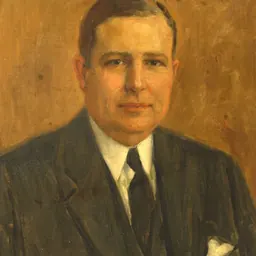
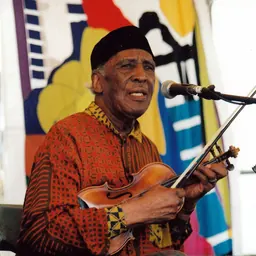
People in Edward H. Armstrong's life
Named in this biography and alive at the same time



Contemporaries
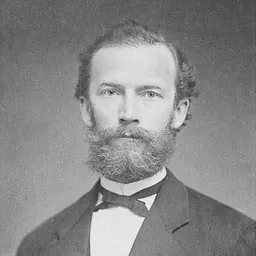
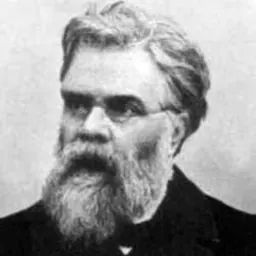
People whose lives overlapped Edward H. Armstrong's



Frequently asked questions
Who was Edward H. Armstrong?
mayor of Daytona Beach, Florida
When was Edward H. Armstrong born?
Edward H. Armstrong was born on 23 July 1880 in St. Louis.
When did Edward H. Armstrong die?
Edward H. Armstrong died on 2 January 1938 in Jacksonville, FL.
What nationality was Edward H. Armstrong?
Edward H. Armstrong was American.
Sources & further reading
· Wikipedia: Edward H. Armstrong
· DBpedia: Edward H. Armstrong
Cite this page
APA: Biography.guide. (2026). Edward H. Armstrong. https://biography.guide/edward-h-armstrong/
MLA: "Edward H. Armstrong." Biography.guide, https://biography.guide/edward-h-armstrong/.
Chicago: "Edward H. Armstrong." Biography.guide. https://biography.guide/edward-h-armstrong/.
Data last updated: 2026-09-22 · Spot an error? Report a correction.
Page generated 2026-09-27 05:30 UTC