
About Dora Pejačević
Lived 1885 – 1923 (aged 37). Dora Pejačević was an Austrian composer, violinist and pianist.
Countess Maria Theodora Paulina "Dora" Pejačević (; 10 September 1885 – 5 March 1923) was a Croatian composer, pianist and violinist and one of the first composers to introduce the orchestral song to Croatian music. Her Symphony in F-sharp minor is considered by scholars to be the first modern symphony in Croatian music. Pejačević is noted for her vocal compositions, piano miniatures, and string quartets,
In her early career, Pejačević’s primary themes were highly representative of the Romantic period, but this would change after her experience working as a paramedic in the First World War after which her works reflected the philosophic movement of nihilism and discussed motifs of death, isolation, and futility of war. In one of her diaries, she commented on 470 books she had read in the period from 1902 to 1921, which covered fields of literature, philosophy, music, religion, history, and natural sciences. The couple soon moved to Munich and had their first child, which proved to be fatal for Pejacevic.
Her life is the subject of the fictionalized Croatian biographical film Countess Dora (1993), directed by Zvonimir Berković and starring Alma Prica and Rade Šerbedžija.
List of works Vocal compositions Lieder "Ein Lied", Op. 11 (text: Paul Wilhelm; 1900) "Warum?", Op. 13 (text: Dora Pejačević; 1901) "Ave Maria", Op. 16, for voice, violin and organ, (1903) Sieben Lieder, Op. 23 (text: ; 1907; dedicated to Eva van Osten, Melanie Páiffy-Almásy, Julia Culp) "Sicheres Merkmal" "Es hat gleich einem Diebe" "Taut erst Blauveilchen" "Es jagen sich Mond und Sonne" "Du bist der helle Frühlingsmorgen" "In den Blättern wühlt" "Es war einmal" Zwei Lieder, Op. 27 (Text: Wilhelmine von Wickenburg-Almasy; Ernst Strauss; 1909) "Ich schleiche meine Straßen" "Verweht" Vier Lieder, Op. 30 (Text: Anna Ritter; 1911; dedicated to Marianne Konradsheim) "Ein Schrei" "Wie ein Rausch" "Ich glaub', lieber Schatz" "Traumglück" Verwandlung for voice, violin and organ, Op. 37a (text: Karl Kraus; 1915; dedicated to Sidonie Nádherny von Borutin) Mädchengestalten, Op. 42 (text: Rainer Maria Rilke 1916) "Als du mich einst gefunden hast" "Viel Fähren sind auf den Flüssen" "Ich bin eine Waise" "Ich war ein Kind und träumte viel" "An eine Falte", Op. 46 (text: Karl Kraus; 1918; dedicated to Sidonie Nádherny von Borutin) Drei Gesänge, Op. 53 (text: Friedrich Nietzsche; 1919–1920) "Venedig" "Vereinsamt" "Der Einsamste" Zwei Lieder, Op. 55 (Text: Karl Henckell; Ricarda Huch; 1920; dedicated to Rosa Lumbe-Mladota and Juza Lumbe) "Zu dir!" "Um bei dir zu sein" Tri dječje pjesme (Three children's songs), Op. 56 (text: Zmaj Jovan Jovanović; 1921) "Majčica, moj anđeo" (Mommy, my angel) "Dijete i baka" (Child and grandmother) "Mali Radojica" (Little Radojica)
With orchestral accompaniment Verwandlung, Op. 37b (text: Karl Kraus; 1915) Liebeslied, Op. 39 (text: Rainer Maria Rilke; 1915) Zwei Schmetterlingslieder, Op. 52 (text: Karl Henckell; 1920) "Goldne Sterne, blaue Glöckchen" "Schwebe, du Schmetterling"
Compositions for solo piano Berceuse, Op. 2 (1897) Gondellied, Op. 4 (In Erinnerung an die gemütlichen Tage in Našice von Dora, Našice, 25 July 1898) Chanson sans paroles, Op. 5, (1898) Papillon, Op. 6 (1898) Menuette, Op. 7 (1898) Impromptu, Op. 9a (1899) Chanson sans paroles, Op. 10 (1900; dedicated to baroness Else Szentkereszty) Albumblatt, Op. 12 (1901; lost) Trauermarsch, Op. 14 (1902) Sechs Phantasiestücke, Op. 17 (1903) "Sehnsucht" "Leid" "Frage" "Klage" "Bitte" "Wahn" (2 versions: A and B) Blumenleben – acht Klavierstücke nach der Blütenzeit im Jahresablauf komponiert, Op. 19 (1904–1905) "Schneeglöckchen" "Veilchen" "Maiglöckchen" "Vergißmeinnicht" "Rose" "Rote Nelken" "Lilien" "Chrysanthemen" Berceuse, Op. 20 (1906; dedicated to her nephew, Count Nikola Pejačević) Valse de concert, Op. 21 (1906) Erinnerung, Op. 24 (1908; dedicated to Marie Therese Schall-Riaucour) Walzer-Capricen, Op. 28 (1910; dedicated to her professor Percy Sherwood) "Moderato" "Grazioso" "Im Laendler-tempo" "Wiegend" "Lento" "Tempo giusto" "Allegretto" "Grazioso, allegramente" "Moderato" Vier Klavierstücke, Op. 32a (1912; dedicated to pianist Alice Ripper, who premiered them in Stockholm in 1917) (lost) "Libelle" "Papillon" "Abendgedanke" Vertige, Valse-Boston, (May 24, 1906; Romantic Salon Style) Impromptu, Op. 32b (1912; dedicated to pianist Alice Ripper) Sonata in B-flat minor, Op. 36 (1914; dedicated to Anny von Lange) "Con fuoco non troppo allegro" "Andante con molta espressione" "Allegro risoluto" Zwei Intermezzi, Op. 38 (1915; dedicated to Olga Schulz-Granitz) "Ruhig und innig" "Langsam und ausdrucksvoll" Zwei Klavierskizzen, Op. 44 (1918; dedicated to Anny von Lange) "An dich!" "Vor deinem Bild" Blütenwirbel, Op. 45 (1918; 2 versions: A and B; dedicated to Sidonie Nádherny von Borutin) Capriccio, Op. 47 (1919; dedicated to pianist Alice Ripper) Zwei Nocturnos, Op. 50 (1918; 1920) "Sehr ruhig, mit innigem Ausdruck" (Janowitz 20–21 Juli 1918; dedicated to pianist Alice Ripper) "Leicht bewegt und ferträumt" Humoreske und Caprice, Op. 54 (1920) "Humoreske", allegretto vivo "Caprice", vivace grazioso Sonata in A-flat major, Op. 57 (in one movement; 1921)
Chamber compositions Rêverie for violin and piano, Op. 3 (1897) Canzonetta in D major, for violin and piano, Op. 8 (1899; her first printed composition; dedicated to Stefi Geyer) Impromptu, for piano quartet, Op. 9b (1903; arrangement of Op. 9a) Trio in D major, Op. 15 for violin, cello and piano (1902) Menuett in A major, Op. 18, for violin and piano (1904; dedicated to Jaroslav Kocian) Romanze in F major, Op. 22, for violin and piano (1907) Quartet in D minor, Op. 25 for violin, viola, cello and piano (1908) Sonata in D major, Frühlings-Sonate, Op. 26 for violin and piano (1909) Trio in C major, Op. 29 for violin, cello and piano (1910) String Quartet in F major, Op. 31 (1911; lost) Elegie in E-flat major for violin and piano, Op. 34 (1913; dedicated to Johannes Nádherny-Borutin) Sonata in E minor, Op. 35 for cello and piano (1913; dedicated to Olga and Ernst Schulz) Piano Quintet in B minor, Op. 40 for 2 violins, viola, violoncello and piano, (1915–1918) Sonata in B-flat minor Slawische Sonate for violin and piano, Op. 43 (1917; dedicated to violinist Zlatko Baloković) Méditation for violin and piano, Op. 51 (1919; dedicated to Viteszlav Novák) String Quartet in C major, Op. 58 (1922)
Orchestral compositions Piano Concerto in G minor, Op. 33 (1913) Symphony in F-sharp minor for large orchestra, Op. 41 (1916 – 1917, rev. 1920; dedicated to her mother baroness Lilla Vay de Vaya) Phantasie concertante in D minor for piano and orchestra, Op. 48 (1919; dedicated to pianist Alice Ripper) Ouverture in D minor for large orchestra, Op. 49 (1919)
Songs for voice and orchestra (1915–1920) Verwandlung for voice, violin and orchestra, Op. 37b (text: Karl Kraus) Liebeslied, Op. 39, (text: Rainer Maria Rilke; dedicated to her sister Gabrielle Kochanovsky) Zwei Schmetterlingslieder, Op. 52 (text: Karl Henckell) No. 1, "Gold'ne Sterne, blaue Glöckchen" No. 2, "Schwebe du Schmetterling, schwebe vorbei"
Recordings Symphony in F-sharp minor, Op. 41; Phantasie Concertante in D minor, Op. 48 for Piano & Orchestra (CPO CD#777-418-2) Piano Trio, Op. 29; Cello Sonata, Op. 35 (Oliver Triendl, Andrej Bielow, Christian Poltera. CPO 777-419-2) Piano Quintet, op.40; Piano Quartet, Op. 25; String Quartet, Op. 58; Impromptu, Op. 9 (Oliver Triendl, Quatuor Sine Nomine. CPO 777-421-2) [2 CDs] String Quartet in C major, Op. 58 together with String Sextet by Boris Papandopulo (CD #5558910) Violin Sonata No.1 in D major, Op. 26 together with works by Kunc, Boris Papandopulo and J. Š. Slavenski (CD #5872221) Lieder, Ein Lied, Op. 11; Warum, Op. 13; 7 Lieder, Op. 23; 2 Lieder, Op. 27; 4 Lieder, Op. 30; Verwandlung, Op. 37; Liebeslied, Op. 39; Mädchengestalten, Op. 42; An eine Falte, Op. 46; 2 Schmetterlingslieder, Op. 52; 3 Gesänge, Op. 53; 2 Lieder, Op. 55 (Ingeborg Danz, Cord Garben. CPO 777 422-2 (2012) Vertige, Valse-Boston (20th Century Foxtrots Volume 3. Catalogue Number GP854) Piano Concerto, Op. 33; Symphony, Op. 41; Peter Donohoe (piano), BBC Symphony Orchestra, conducted by Sakari Oramo, Chandos CHSA 5299 (2022)
In popular culture In the Croatian pseudo-biographical film Countess Dora (1993) she is portrayed by Alma Prica. Dora, a Croatian national selection for the Eurovision Song Contest, is named for Dora Pejačević.
Don’t just read it —
keep it.
Full-length biographies made to live with: read them, listen on the way to work, watch them tonight.
- E-book
- Audio
- Video
Instant download · yours to keep · every purchase keeps this site free
Important facts
People in Dora Pejačević's life
Named in this biography and alive at the same time

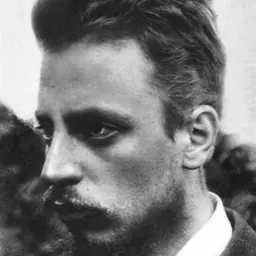
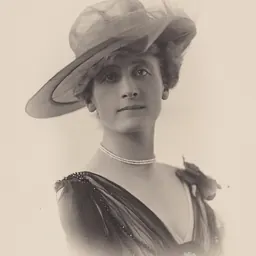


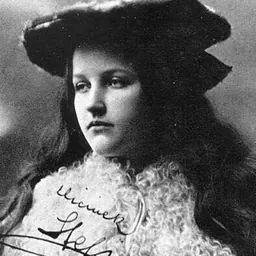
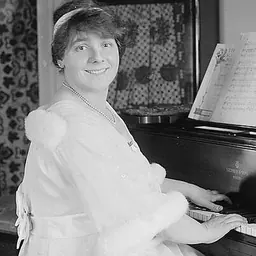

Related people
Same field, nearest in time




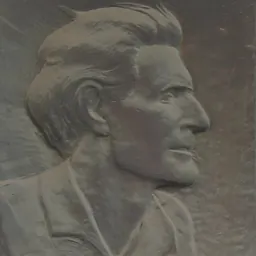
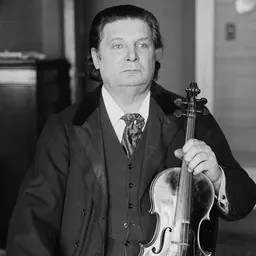
Contemporaries
People whose lives overlapped Dora Pejačević's
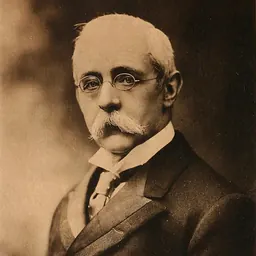
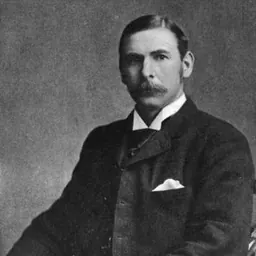


Frequently asked questions
Who was Dora Pejačević?
Croatian composer (1885–1923)
When was Dora Pejačević born?
Dora Pejačević was born on 10 September 1885 in Budapest.
When did Dora Pejačević die?
Dora Pejačević died on 5 March 1923 in Munich.
What was Dora Pejačević's occupation?
Dora Pejačević was a composer, violinist and pianist.
What nationality was Dora Pejačević?
Dora Pejačević was Austrian.
Sources & further reading
Cite this page
APA: Biography.guide. (2026). Dora Pejačević. https://biography.guide/dora-pejacevic/
MLA: "Dora Pejačević." Biography.guide, https://biography.guide/dora-pejacevic/.
Chicago: "Dora Pejačević." Biography.guide. https://biography.guide/dora-pejacevic/.
Data last updated: 2026-09-20 · Spot an error? Report a correction.
Page generated 2026-09-27 05:19 UTC