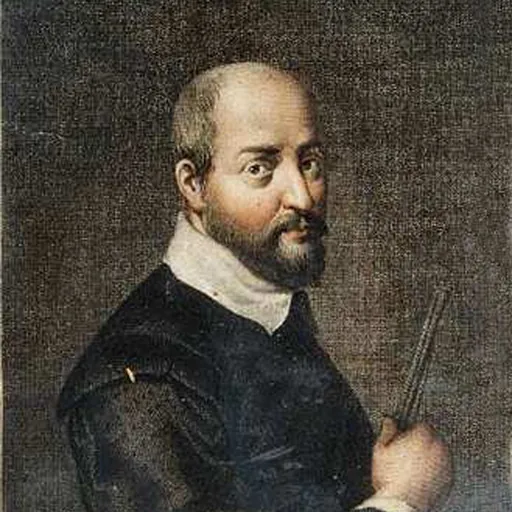
About Domenico Passignano
Lived 1559 – 1638 (aged 78–79). Domenico Passignano was an Italian painter, architect and draftsperson.
Domenico Passignano (1559 – 17 May 1638), born Domenico Cresti or Crespi, was an Italian painter of a late-Renaissance or Counter-Maniera (Counter-Mannerism) style that emerged in Florence towards the end of the 16th century.
Biography
Cresti was born in Passignano, currently a frazione of Barberino Tavarnelle about 30 km south of Florence, and was educated by the local Vallombrosan monks. He started his works in the stylized Tuscan manner, working with Giovanni Battista Naldini and Girolamo Macchietti. After travelling from Rome to Venice (1581–1589), he came under the influence of Tintoretto's style. He had travelled to Venice as an assistant to Federico Zuccari, who had employed him previously in the completion of Giorgio Vasari's The Last Judgment on the ceiling of the dome of Florence Cathedral.
He was known to paint with great speed; however, as he used less paint in order to work quickly, most of his works have been severely damaged by time. As a result of this gift, he was nicknamed Passa Ognuno ("[He] Passes Everyone") – a possible play upon the name of his birthplace.
In Florence, he painted frescoes of the Translation and Funeral of Saint Antoninus (1589) for the Cappella Salviati in San Marco and Preaching of John the Baptist (1590) for San Michele Visdomini. He painted a Nativity (1594) for Lucca's Duomo di San Martino. Other works by Passignano can be found in the church of Sant'Andrea della Valle (Barberini Chapel), the Basilica of Santa Maria Maggiore (Baptistery ceilings) and Santa Maria in Vallicella (altarpiece of the Chapel of the Annunciation) in Rome, San Frediano in Pisa, in the Uffizi Gallery, and his Our Lady of the Jacobins (1630) in the Besançon Cathedral. In addition, he painted famous portraits of Galileo and Michelangelo. He also painted frescoes for the Vallumbrosan Badia di Passignano in his hometown.
Among his pupils were the brothers Valore and Domenico Casini, Pietro Sorri, Cesare Dandini, and Pietro Ricchi.
Passignano died at Florence in 1638.
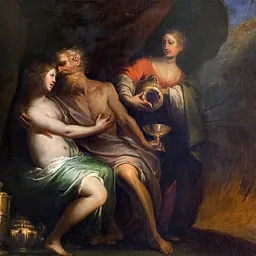
Selected works Ganymede and Jupiter, University Oklahoma Museum of Art The Allegory of Chastity, Wedding Banquet of Grand Duke Ferdinand I de Medici, Bathers at San Niccolò, 1600
Sources & References
Don’t just read it —
keep it.
Full-length biographies made to live with: read them, listen on the way to work, watch them tonight.
- E-book
- Audio
- Video
Instant download · yours to keep · every purchase keeps this site free
Important facts
more
Domenico Bassignano, Domenico Cresti Passignano, Domenico Pasignani, Cavalier Domenico Passignani, Domenico Cresti Passignani, Cavalier Domenico Passignano, domenico da passignano, dom. cresti, pasignani, Cavalier Passignani, Pasignano, Posignano, Dom. Pasignano, Cav. Passignani, Passignani, Parignano, Dominique Passignani, eigentlich Domenico Cresti Passignano, domencio passigPeople in Domenico Passignano's life
Named in this biography and alive at the same time
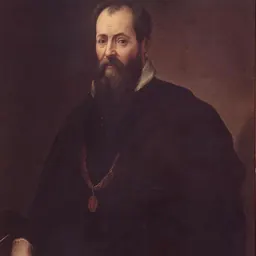

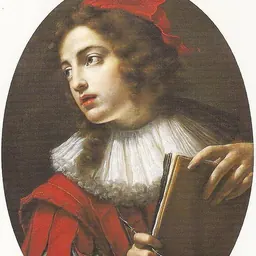

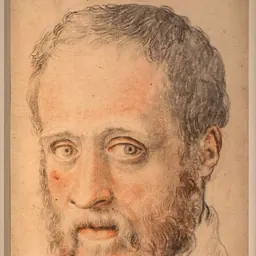


Related people
Same field, nearest in time


Contemporaries
People whose lives overlapped Domenico Passignano's




Frequently asked questions
Who was Domenico Passignano?
painter from Italy (1559–1638)
When was Domenico Passignano born?
Domenico Passignano was born in 1559 in Tavarnelle Val di Pesa.
When did Domenico Passignano die?
Domenico Passignano died on 17 May 1638 in Florence.
What was Domenico Passignano's occupation?
Domenico Passignano was a painter, architect and draftsperson.
What nationality was Domenico Passignano?
Domenico Passignano was Italian.
Sources & further reading
· Wikipedia: Domenico Passignano
· DBpedia: Domenico Passignano
Cite this page
APA: Biography.guide. (2026). Domenico Passignano. https://biography.guide/domenico-passignano/
MLA: "Domenico Passignano." Biography.guide, https://biography.guide/domenico-passignano/.
Chicago: "Domenico Passignano." Biography.guide. https://biography.guide/domenico-passignano/.
Data last updated: 2026-09-20 · Spot an error? Report a correction.
Page generated 2026-09-27 05:10 UTC