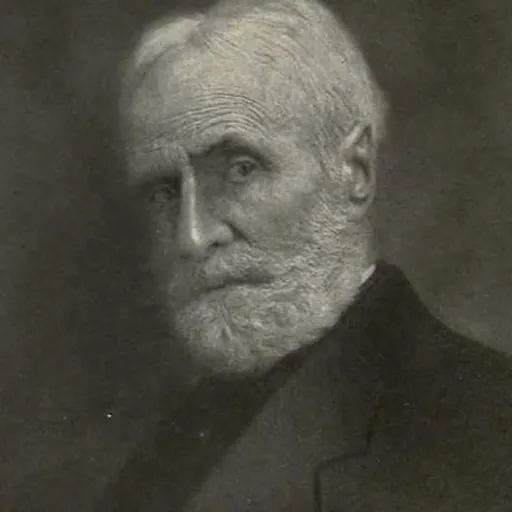
About Benjamin Paul Blood
Lived 1832 – 1919 (aged 86). Benjamin Paul Blood was an American philosopher and poet.
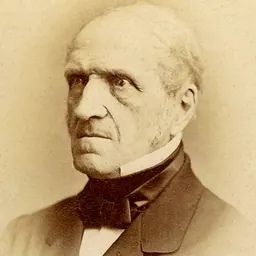
Benjamin Paul Blood (November 21, 1832 – January 15, 1919) was an American philosopher, mystic and poet. His idiosyncratic work explored his development of his pluralist philosophy, culminating in the posthumously published book Pluriverse.
Biography Blood was born in Amsterdam, New York. His father, John Blood, was a prosperous landowner. Blood was known as an intelligent man but an unfocused one. Initially, his writing consisted of letters, either to local newspapers or to friends such as James Hutchison Stirling, Alfred Tennyson and William James. Ralph Barton Perry wrote of Blood:He was born in 1832 and lived for eighty-six years. During that time he wrote much, but unsystematically. His favorite form of publication was letters to newspapers, mainly local newspapers with a small circulation. These letters "dealt with an astonishing diversity of subjects, from local petty politics or the tricks of spiritualist mediums to principles of industry and finance and profundities of metaphysics."
Early books included The Philosophy of Justice Between God and Man (1851) and Optimism: The Lesson of Ages (1860), a Christian mystical vision of the pursuit of happiness from Blood's distinctly American perspective; on the title page of the book, Blood described it as "A compendium of democratic theology, designed to illustrate necessities whereby all things are as they are, and to reconcile the discontents of men with the perfect love and power of ever-present God." During his lifetime he was best known for his poetry, which included The Bride of the Iconoclast, Justice, and The Colonnades. According to Christopher Nelson, Blood was a direct influence on William James' The Varieties of Religious Experience as well on James's concept of Sciousness, prime reality consciousness without a sense of self.
After experiencing the anesthetic nitrous oxide during a dental operation, Blood concluded that the gas had opened his mind to new ideas and continued experimenting with it. In 1874, he published a 37-page pamphlet, The Anesthetic Revelation and the Gist of Philosophy.
He married twice; to Mary Sayles, and following her death, to Harriet Lefferts. He had six children from the first marriage, and a daughter from the second. Blood died in Amsterdam, New York. His final work, Pluriverse, was published posthumously.
Selected bibliography
Optimism: The Lesson of Ages, 1860 The Anaesthetic Revelation and the Gist of Philosophy, 1874 Pluriverse: An Essay in the Philosophy of Pluralism, 1920 (posthumous)
Don’t just read it —
keep it.
Full-length biographies made to live with: read them, listen on the way to work, watch them tonight.
- E-book
- Audio
- Video
Instant download · yours to keep · every purchase keeps this site free
Important facts
People in Benjamin Paul Blood's life
Named in this biography and alive at the same time





Related people
Same field, nearest in time

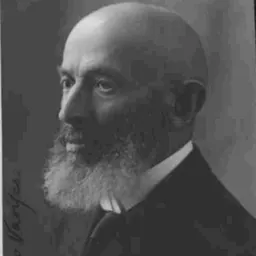
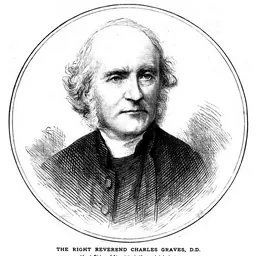


Contemporaries
People whose lives overlapped Benjamin Paul Blood's

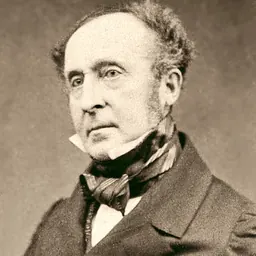
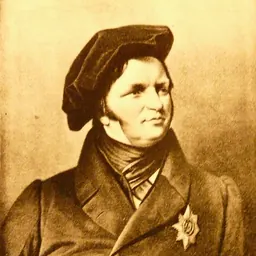

Frequently asked questions
Who was Benjamin Paul Blood?
American poet and philosopher
When was Benjamin Paul Blood born?
Benjamin Paul Blood was born on 21 November 1832 in Amsterdam.
When did Benjamin Paul Blood die?
Benjamin Paul Blood died on 15 January 1919.
What was Benjamin Paul Blood's occupation?
Benjamin Paul Blood was a philosopher and poet.
What nationality was Benjamin Paul Blood?
Benjamin Paul Blood was American.
Sources & further reading
· Wikipedia: Benjamin Paul Blood
· DBpedia: Benjamin Paul Blood
Cite this page
APA: Biography.guide. (2026). Benjamin Paul Blood. https://biography.guide/benjamin-paul-blood/
MLA: "Benjamin Paul Blood." Biography.guide, https://biography.guide/benjamin-paul-blood/.
Chicago: "Benjamin Paul Blood." Biography.guide. https://biography.guide/benjamin-paul-blood/.
Data last updated: 2026-09-22 · Spot an error? Report a correction.
Portrait: Wikimedia Commons · author & licence
Page generated 2026-09-27 05:03 UTC