
Alfred Lawrence, 1st Baron Trevethin
British Baron and Lord Chief Justice
About Alfred Lawrence, 1st Baron Trevethin
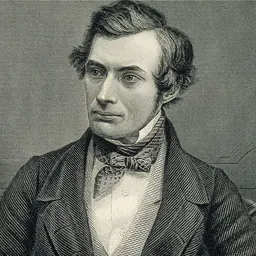
Lived 1843 – 1936 (aged 92). Alfred Lawrence, 1st Baron Trevethin was a British politician, judge and barrister.
Alfred Tristram Lawrence, 1st Baron Trevethin, PC (24 November 1843 – 3 August 1936) was a British lawyer and judge. He served as Lord Chief Justice of England and Wales from 1921 to 1922. He is best remembered for the questionable manner in which he became Lord Chief Justice, under a plan devised by David Lloyd George.
Biography Lawrence was the eldest son of David Lawrence, a surgeon, of Pontypool, Monmouthshire, and Elizabeth, daughter of Charles Morgan Williams. He had originally intended to follow his father into medicine, but became interested in law after witnessing a property case in which his family had an interest.
He was educated at Trinity Hall, Cambridge, where he took a First in Law, and was called to the Bar, Middle Temple, in 1869. He established a successful legal practice although he did not become a Queen's Counsel until 1897, when he was 54. Lawrence was recorder for the Royal Borough of Windsor from 1885 to 1904, when he was appointed a Judge of the High Court of Justice (King's Bench Division) and knighted. He was styled Mr Justice A.T. Lawrence.
In 1912, he established the legality of the Football League's retain-and-transfer system with his judgement in the Kingaby case. Former Aston Villa player Herbert Kingaby had brought legal proceedings against his old club for preventing him from playing. Erroneous strategy by Kingaby's counsel resulted in the suit being dismissed.
Lord Chief Justice In 1921, the Earl of Reading, the Lord Chief Justice, was appointed Viceroy of India. There existed a convention that the Attorney-General had the right of reverter to the post if a vacancy arose but David Lloyd George was unwilling to part with the services of Sir Gordon Hewart. Hewart, on the other hand, had long desired the post, and had turned down offers to become Chief Secretary for Ireland and Home Secretary to preserve his rights. A compromise was struck that a stop-gap Lord Chief Justice would be appointed until Lloyd George could dispense with his services.
Both Lawrence and Mr Justice Darling competed for the post; Darling went so far as to write to Lloyd George to ask for the post. In the end, Lawrence was chosen, and in April 1921, aged 77, he was made Lord Chief Justice of England. He was sworn of the Privy Council at the same time and in August of the same year he was raised to the peerage as Baron Trevethin, of Blaengawney in the County of Monmouth. On his appointment, Lawrence gave Lloyd George a signed but undated letter of resignation.
The arrangement caused much controversy. The judges were so incensed that they refused to attend Lord Reading's farewell ceremony. Lord Birkenhead, the Lord Chancellor, complained that the plan was illegal and "would make the Lord Chief Justice a transient figure subject to removal at the will of the government of the day and the creature of political exigency". Darling, who had written to Lloyd George to ask for the appointment "even for ten minutes", was said to have remarked that he supposed he was not old enough (Darling was then aged 71).
Lawrence remained Lord Chief Justice until March 1922, when he resigned, to be succeeded by Hewart. He reputedly learned of his "resignation" when reading a newspaper on a train to London on his way to court. By the time he resigned, it was said that he was so deaf that he could no longer follow cases properly.
Later years and family Lord Trevethin died in August 1936, aged 92. A keen angler in later life, he suffered a seizure
Don’t just read it —
keep it.
Full-length biographies made to live with: read them, listen on the way to work, watch them tonight.
- E-book
- Audio
- Video
Instant download · yours to keep · every purchase keeps this site free
Important facts
People in Alfred Lawrence, 1st Baron Trevethin's life
Named in this biography and alive at the same time

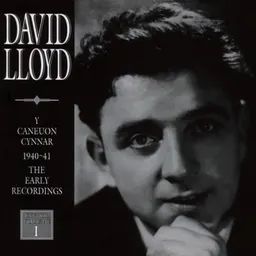
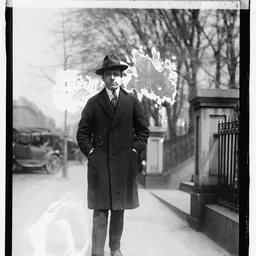

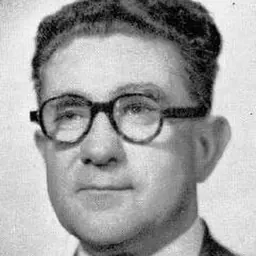

Related people
Same field, nearest in time


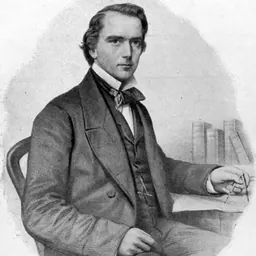



Contemporaries
People whose lives overlapped Alfred Lawrence, 1st Baron Trevethin's

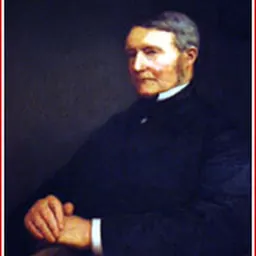
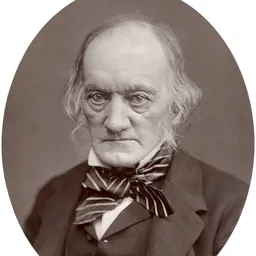
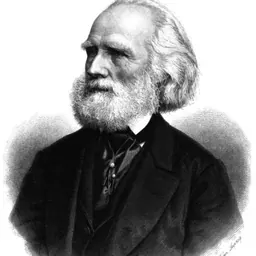
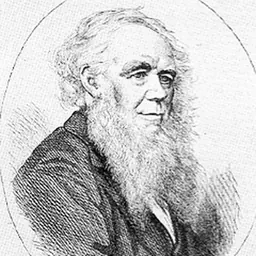
Frequently asked questions
Who was Alfred Lawrence, 1st Baron Trevethin?
British Baron and Lord Chief Justice (1843–1936)
When was Alfred Lawrence, 1st Baron Trevethin born?
Alfred Lawrence, 1st Baron Trevethin was born on 24 November 1843 in Pontypool.
When did Alfred Lawrence, 1st Baron Trevethin die?
Alfred Lawrence, 1st Baron Trevethin died on 3 August 1936 in Builth Wells.
What was Alfred Lawrence, 1st Baron Trevethin's occupation?
Alfred Lawrence, 1st Baron Trevethin was a politician, judge and barrister.
What nationality was Alfred Lawrence, 1st Baron Trevethin?
Alfred Lawrence, 1st Baron Trevethin was British.
Sources & further reading
· Wikipedia: Alfred Lawrence, 1st Baron Trevethin
· DBpedia: Alfred Lawrence, 1st Baron Trevethin
Cite this page
APA: Biography.guide. (2026). Alfred Lawrence, 1st Baron Trevethin. https://biography.guide/alfred-lawrence-1st-baron-trevethin/
MLA: "Alfred Lawrence, 1st Baron Trevethin." Biography.guide, https://biography.guide/alfred-lawrence-1st-baron-trevethin/.
Chicago: "Alfred Lawrence, 1st Baron Trevethin." Biography.guide. https://biography.guide/alfred-lawrence-1st-baron-trevethin/.
Data last updated: 2026-09-26 · Spot an error? Report a correction.
Page generated 2026-09-27 05:13 UTC