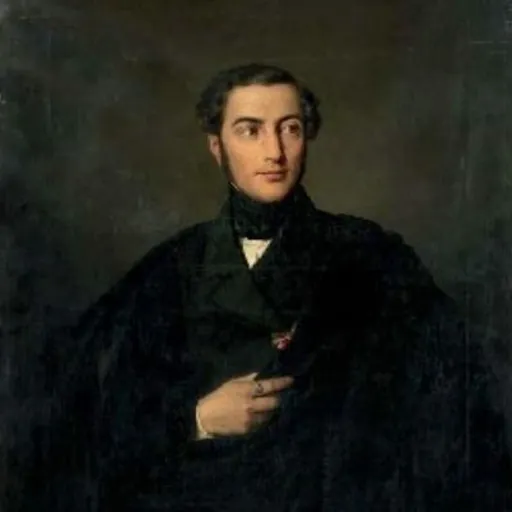
About Alberto Cavos
Lived 1800 – 1863 (aged 62). Alberto Cavos was a Russian and Italian architect.
Alberto Katerinovich Cavos (; – ) the theatre burnt down in 1811; restoration was interrupted by the death of its supervisor, Jean-François Thomas de Thomon, in 1813, and slowly dragged until 1818. Cavos dedicated ten years to this project; the theatre reopened as Saint Petersburg's main opera stage in 1836. built in the same period by Joseph Bové. Nevertheless, the theatre retained its Italian company and became a home stage for Marius Petipa ballet and operated until 1886, when it was rebuilt it into the Saint Petersburg Conservatory.
Mariinsky Theatre (Saint Petersburg)
In 1847–1848 Cavos designed and built a wooden Equestrian Circus Theatre in Saint Petersburg, on a square now known as Theatre Square. The Circus opened on January 20, 1849, and soon became a home stage for the Russian opera company that returned from Moscow in 1850. Nine years later, on January 26, 1859, the Circus burnt down; Alexander II ordered Cavos to rebuild the theatre "with all the improvements that had been needed to be made when the circus building was turned into a theatre.The Czar further orders that the Architect preserve the interior decoration as it used to be". Cavos retained the Romanesque facade of the Circus, but completely redesigned the interiors, replacing the old circular arena with a horseshoe-shapes "Italian" opera hall. The new theatre opened in October 1860 as Imperial Mariinsky Theatre, named after Empress Maria Alexandrovna, and immediately became Saint Petersburg's principal opera stage.
Bolshoi Theatre (Moscow)
On March 11, 1853, Bolshoi Theatre in Moscow was destroyed by fire that left only exterior wall standing. Cavos secured the contract to rebuild the theatre and substantially expanded and altered Bove's original plan, creating Bolshoi as it was known before closing down for restoration in 2005. Despite the economic downturn that accompanied the disastrous Crimean War, the work rushed through, especially after the death of Tsar Nicholas I – according to Alexander Benois, to reopen the theatre in time for his successor's coronation.
Henry Sutherland Edwards, contemporary British journalist, praised Cavos as being "not only an architect, but also an acoustician, if we may use the term ... he understands what does not appear to be understood in London...". According to Edwards, Cavos ridiculed the idea that acoustical properties of a building cannot be ensured by design; he deliberately designed, built and outfitted his theatres for sound. "It (the Bolshoi) is constructed as a musical instrument", commented Cavos. Ivan Rerberg, who restored Bolshoi in 1920–1932, bitterly commented on the architect's decision to close and fill with earth the original groundfloor galleries that housed cloakrooms before the 1853 fire. but when Cavos died, at Peterhof, the job was awarded to Charles Garnier. Apart from theatres, Cavos is credited with design of dozens of buildings in Saint Petersburg and its suburbs. Most of these buildings were subsequently expanded and rebuilt, losing their original architectural trim.
The private life of Alberto Cavos and his family has been made public by his grandson, Alexander Benois. According to Benois, Cavos was overwhelmed by lucrative contracts and quickly made a fortune that allowed him, in addition to Saint Petersburg lifestyle, to keep a luxurious home on the Grand Canal in Venice and amass a vast collection of art there. After his death these treasures were brought to Saint Petersburg and split between his numerous heirs. She and Alberto had four children. Alberto Cavos married Xenia, his second wife, when she was only 17; they had three children. However, his extramarital adventures destroyed the marriage; in the end, Alberto Cavos bequeathed his business interests to his new mistress, having nearly ruined his legitimate wife and children. Among these children, Caesar Cavos (1824–1883) also became a notable Saint Petersburg architect and businessman; Constantin Cavos (1826–1890) was a diplomat in Imperial Russian service; Camilla Cavos (1828–1891) married Nicholas Benois (then a junior partner of Alberto Cavos) and gave birth to nine siblings of the Benois family, including Albert Benois (1852–1936), Leon Benois (1856–1928), Alexander Benois (1870–1960) and Yekaterina Benois who married Eugene Lanceray (Sr.) and became the mother of Eugene Lanceray and Zinaida Serebriakova. Sir Peter Ustinov was Leon Benois's grandson.
Don’t just read it —
keep it.
Full-length biographies made to live with: read them, listen on the way to work, watch them tonight.
- E-book
- Audio
- Video
Instant download · yours to keep · every purchase keeps this site free
Important facts
People in Alberto Cavos's life
Named in this biography and alive at the same time

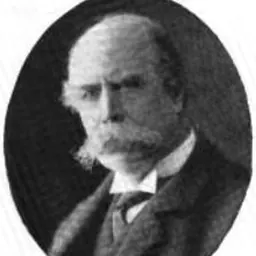


Related people
Same field, nearest in time

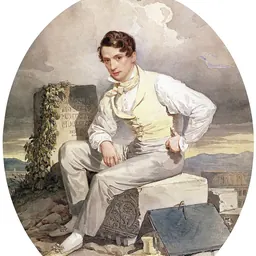
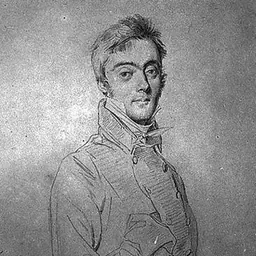
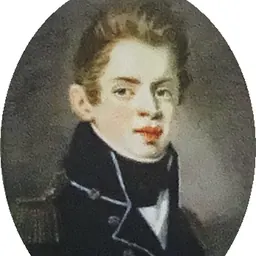

Contemporaries
People whose lives overlapped Alberto Cavos's





Frequently asked questions
Who was Alberto Cavos?
Russian architect (1800–1863)
When was Alberto Cavos born?
Alberto Cavos was born on 12 December 1800 in Saint Petersburg.
When did Alberto Cavos die?
Alberto Cavos died on 22 May 1863 in Peterhof.
What was Alberto Cavos's occupation?
Alberto Cavos was an architect.
What nationality was Alberto Cavos?
Alberto Cavos was Russian and Italian.
Sources & further reading
Cite this page
APA: Biography.guide. (2026). Alberto Cavos. https://biography.guide/alberto-cavos/
MLA: "Alberto Cavos." Biography.guide, https://biography.guide/alberto-cavos/.
Chicago: "Alberto Cavos." Biography.guide. https://biography.guide/alberto-cavos/.
Data last updated: 2026-09-21 · Spot an error? Report a correction.
Portrait: Wikimedia Commons · author & licence
Page generated 2026-09-27 04:59 UTC