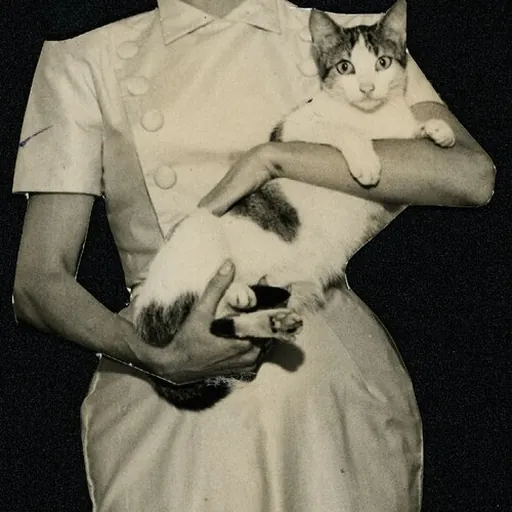
About Zezé Macedo
Lived 1916 – 1999 (aged 83). Zezé Macedo was a Brazilian actor, writer and poet.
Zezé Macedo (6 May 1916 – 8 October 1999) was a Brazilian comedienne and actress in radio, cinema and television, being the female record holder in Brazil for film appearances, having made over 100 films. She also published four books of poetry.
Early life Maria José de Macedo was born in Silva Jardim in the Brazilian state of Rio de Janeiro on 6 May 1916. Her stepfather, Columbano Santos, was a notary and the local mayor as well as being a great supporter of the theatre. Her theatrical debut was at the age of four. As she could not read, she memorized the lines by listening to them read by her stepfather. At the age of fifteen, she married a mechanic and electrician, Alcides Manhães, giving up being an actress and moving to Niterói. They had a son who died at just one year of age when he fell from his paternal grandmother's lap and fractured his skull. Upon learning of her son's death, she gave a huge cry and was then silent for a long time, suffering shock. When she spoke again her voice had changed: it was completely hoarse and would remain that way for the rest of her life. The couple broke up shortly after their son's death and Macedo started working as a clerk at her stepfather's office.
Radio and television Through her stepfather's connections, she began to read her poems on the Grande Jornal Fluminense, a show broadcast on Sundays by Rádio Tamoio. In 1944, she wrote and read stories of Brazil's participation in World War II. She became the secretary of the scriptwriter Dias Gomes and the actor Rodolfo Mayer for three years and, at the same time, gradually began to appear on radio shows, in plays and reading poems. In 1954, she published her first book of poetry, Coração Profano (Profane Heart), which was a great success. She would go on to publish three more books of poetry. Replacing another actress in a recording when the actress did not turn up, she came to the attention of the screenwriter and actor, Paulo Porto, who gave her the opportunity to start appearing on television. Her first performance was in the comedy programme Mesa Quadrada (1953), a satire of the football programmes on television. Macedo was thin and short with big eyes and a mocking expression, and this led to her nearly always being subsequently chosen for comedy roles, frequently as a maid, despite her wish to play more dramatic roles in television soap operas.
Cinema Through her poetry and appearances on radio and television she came to the attention of the screenwriter and director, Watson Macedo, and appeared in the films Warning to the Sailors (1950) and The Oil is Ours (O Petróleo É Nosso– 1954). From then on, Zezé Macedo became a strong presence in the cinema, acting for several production companies and still mainly playing humorous roles. Among the films she participated in were De Vento em Popa (1957), directed by Carlos Manga, in which she plays an opera singer, escaping from the role of a maid for a change; O Homem do Sputnik (1959), considered by moviegoers as one of the best chanchadas, a type of film that satirised Hollywood movies, and Esse Milhão É Meu (1959). In these three films, she played alongside the comedy actor Oscarito, who insisted that she perform with him. She also worked with the actor Grande Otelo. However, although she performed in many chanchadas, she never had a starring role. Natal da Portela Maria Elisa O Casamento dos Trapalhões D. Marieta O Diabo na Cama Prostitute 1986 As Sete Vampiras Rina 1985
1984 Os Bons Tempos Voltaram: Vamos… Grandma 1983 Etéia Etéia 1980 Ele, Ela, Quem? Madame Grignac 1979 A Virgem Camuflada Spinster 1978 O Erótico Virgem Eulália
As Eróticas Profissionais Tosca
Sete Mulheres Para Um Homem Só Dudu Gordos e Magros Virgin Mary Pedro Bó, o Caçador de Cangaceiros Maria Feiosa
Com as Calças na Mão Dying O Monstro de Santa Teresa Spinster
As Loucuras de um Sedutor Margarida
Robin Hood, o Trapalhão da Floresta Organist Onanias o Poderoso Machão Cibele Oh Que Delícia de Patrão Crazy As Mulheres Que Fazem Diferente Widow
Tati Dona Aurora Os Mansos Old Como É Boa Nossa Empregada Maid Mais ou Menos Virgem Adélia 1972 Salve-se Quem Puder - Rally da Juventude Client 1970 Os Monstros de Babaloo Family woman 1969 Macunaíma Mother 1966 As Cariocas Jealous woman 1965
1964
1962 Três Colegas de Batina Caixa Econômica's employee
Minervina Vem Aí Melita Cala a Boca, Etelvina Pancrácia Virou Bagunça Biluca
Dona Xepa Camila Esse Milhão é Meu Augusta O Homem do Sputnik Cleci
O Camelô da Rua Larga Possidônia
E o Espetáculo Continua Prudência É de Chuá! Biluca A Grande Vedete Fifina
De Vento em Popa Madame Frou-Frou
Rio Fantasia Pension maid Rico Ri à Toa Maid
Garotas e Samba Inocência Tem Boi na Linha
Carnaval em Marte Justina Sinfonia Carioca Faustina
1954 O Petróleo é Nosso Young girl with the phone 1950 Aviso aos navegantes Young girl
Television
Don’t just read it —
keep it.
Full-length biographies made to live with: read them, listen on the way to work, watch them tonight.
- E-book
- Audio
- Video
Instant download · yours to keep · every purchase keeps this site free
Important facts
People in Zezé Macedo's life
Named in this biography and alive at the same time








Related people
Same field, nearest in time




Contemporaries
People whose lives overlapped Zezé Macedo's



Frequently asked questions
Who was Zezé Macedo?
Brazilian actress (1916-1999)
When was Zezé Macedo born?
Zezé Macedo was born on 6 May 1916 in Silva Jardim.
When did Zezé Macedo die?
Zezé Macedo died on 8 October 1999 in Botafogo.
What was Zezé Macedo's occupation?
Zezé Macedo was an actor, writer and poet.
What nationality was Zezé Macedo?
Zezé Macedo was Brazilian.
Sources & further reading
Cite this page
APA: Biography.guide. (2026). Zezé Macedo. https://biography.guide/zeze-macedo/
MLA: "Zezé Macedo." Biography.guide, https://biography.guide/zeze-macedo/.
Chicago: "Zezé Macedo." Biography.guide. https://biography.guide/zeze-macedo/.
Data last updated: 2026-09-22 · Spot an error? Report a correction.
Portrait: Wikimedia Commons · author & licence
Page generated 2026-09-27 04:59 UTC