
About Wiremu Tāmihana
Lived 1806 – 1866 (aged 59–60). Wiremu Tāmihana was a journalist.
Wiremu Tamihana Tarapipipi Te Waharoa ( – 27 December 1866), generally known as Wiremu Tamihana or by his English name William Thompson, was a leader of the Ngāti Hauā Māori iwi in nineteenth century New Zealand, and is sometimes known as the kingmaker for his role in the Māori King Movement.
Early life Tarapipipi Te Waharoa was born around 1805 at Tamahere on the Horotiu plains, the son of the Māori chief Te Waharoa and Rangi Te Wiwini. His father was the leader of the tribe Ngāti Hauā, which settled the area along the Waikato River near Horotiu as far east as the Kaimai Ranges. In his youth he fought in several expeditions that took place in the Taranaki and Waikato as part of the Musket Wars. He was still from time to time engaged in outbreaks of intertribal warfare, particularly against Te Arawa tribes; during one raid in the Rotorua region, he intervened to ensure the safety of two missionaries during the destruction of the CMS station at Ohinemutu by the Te Arawa tribe Ngāti Whakaue, with whom Ngāti Hauā was fighting. The conflict at this time led to Brown abandoning the CMS station at Matamata and shifting to Tuaranga but he continued to influence Tarapipipi with his Christian teachings. The devout Tamihana named the settlement after Beroea, an ancient city mentioned in the Bible and had the Ten Commandments displayed around the village. Afterwards, up until the 1850s more Ngati Haua members followed Tamihana to Peria.
Māori King Movement In the late 1850s, Tamihana was largely responsible for the establishment of the Māori King Movement, which aimed to unify rebel Māori by setting up a kingship in opposition to the British government. He was able to persuade several iwi to join the movement, and Potatau Te Wherowhero of Ngāti Mahuta to take on the role of first King. Tamihana provided a statement of laws, based on the Bible. Although the movement was seen by many Pākehā and the government as rebellion, Tamihana intended that the Māori King would be in alliance with Queen Victoria. Tamihana became a diplomat and publicist for the movement, founding a Māori language newspaper for it. In 1861 Governor Thomas Gore Browne issued a declaration demanding Māori submission to the British Crown. Tamihana wrote to him explaining that the King Movement was not in conflict with the Queen but refused to swear the oath of allegiance. He expressed concern that the Governor seemed intent on war but failed to see the implications of rebellion. Later, he wrote a series of 14 threatening letters to Grey who realised that Tamihana was backed by the fierce Rewi Maniapoto. When war did break out, after the killing of 7 British soldiers in a time of peace in Taranaki and the attempted murder of Gorst, a government agent at Te Awamutu, Tamihana remained in favour of negotiation, but others within the King Movement, such as Rewi Maniapoto preferred to fight. Throughout the Invasion of the Waikato Tamihana attempted to negotiate with government forces, to little effect. In May 1865 MP George Graham met Tamihana at Peria and negotiated for him to formally surrender. On 27 May Tamihana surrendered to Carey at Tamahere. Many in Tamihana's tribe joined the Hauhau movement of their dissatisfaction of the land confiscation and surrender.
Following Tamihana's surrender Peria was deserted as many of his tribe joined the Hauhaus. Tamihana's influence had waned in favour of the more radical Rewi Maniapoto. He spoke with government officials in an attempt to convince them that the threat of a Maori rebellion was unfounded, but to little avail. George Grey attempted to meet with Tamihana on several occasions but Tamihana refused, partly out of fear of arrest. On 1 May 1866 Tamihana met with Grey in Hamilton. Tamihana expressed his dissatisfaction with how most of the Ngati Haua lands were confiscated whilst the more rebellious and violent Ngati Maniapoto had kept most of their lands — Grey dismissed these concerns and called for Tamihana to testify before the Maori Affairs Committee. On 13 July Tamihana travelled from Kerepihi to Wellington aboard HMS Esk. Tamihana spoke before parliament on 3 August and presented a petition calling for the return of Ngati Haua lands and for his name to be cleared of the accusation he had joined the Hauhaus — the petition was rejected by parliament. Tamihana returned to the Waikato and promoted pacifism, urging Maori to lay down arms and abandoning his stance on not selling or leasing his lands to the Crown.
Later life and legacy
On 24 December 1866 Tamihana—his health deteriorating—invited Josiah Clifton Firth to hear his parting words. Tamihana died on the 27th. In 1867 Firth called a meeting at Peria for Maori and unveiled an obelisk dedicated to Tamihana. The obelisk had both a Maori and English transcription:
CMS missionary John Alexander Wilson wrote positively of Tamihana when recounting a visit he had to Peria in June 1861.
Tamihana continues to be recognised today, with the NZ Herald naming him one of the 10 greatest New Zealanders of the past 150 years and the new main connector road between SH21 (Airport Road) and Devine Road running along the public reserve in the heart of Tamahere bears his name : Wiremu Tamihana Drive.
In 2022 a pou and information board about Tamihana was unveiled in Bruntwood.
Don’t just read it —
keep it.
Full-length biographies made to live with: read them, listen on the way to work, watch them tonight.
- E-book
- Audio
- Video
Instant download · yours to keep · every purchase keeps this site free
Important facts
People in Wiremu Tāmihana's life
Named in this biography and alive at the same time
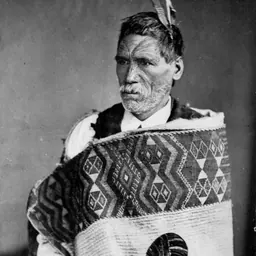


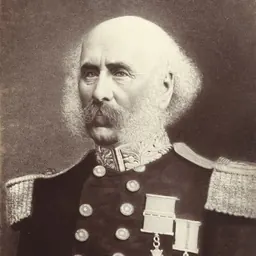
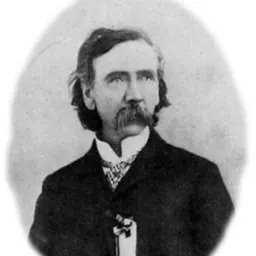
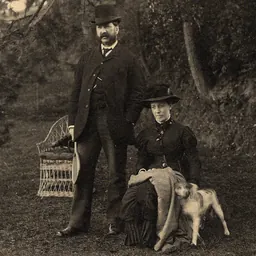

Related people
Same field, nearest in time

Contemporaries
People whose lives overlapped Wiremu Tāmihana's





Frequently asked questions
Who was Wiremu Tāmihana?
Leader of the Ngāti Hauā Māori iwi (1806–1866)
When was Wiremu Tāmihana born?
Wiremu Tāmihana was born in 1806.
When did Wiremu Tāmihana die?
Wiremu Tāmihana died on 1 December 1866.
What was Wiremu Tāmihana's occupation?
Wiremu Tāmihana was a journalist.
What nationality was Wiremu Tāmihana?
Wiremu Tāmihana's recorded nationality: Māori people.
Sources & further reading
Cite this page
APA: Biography.guide. (2026). Wiremu Tāmihana. https://biography.guide/wiremu-tamihana/
MLA: "Wiremu Tāmihana." Biography.guide, https://biography.guide/wiremu-tamihana/.
Chicago: "Wiremu Tāmihana." Biography.guide. https://biography.guide/wiremu-tamihana/.
Data last updated: 2026-09-20 · Spot an error? Report a correction.
Page generated 2026-09-27 05:28 UTC