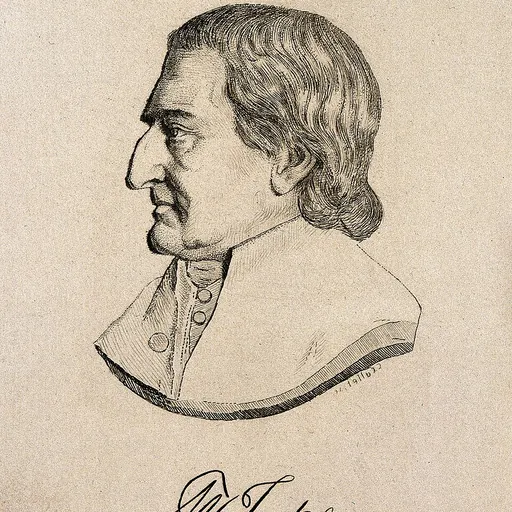
About William Tuke
Lived 1732 – 1822 (aged 89–90). William Tuke was a British businessperson.
William Tuke (24 March 1732 – 6 December 1822), an English tradesman, philanthropist and Quaker, earned fame for promoting more humane custody and care for people with mental disorders, using what he called gentler methods that came to be known as moral treatment. He played a big part in founding The Retreat at Lamel Hill, York, for treating mental-health needs. He and his wife Esther Maud backed strict adherence to Quaker principles. He was an abolitionist, a patron of the Bible Society, and an opponent of the East India Company's inhumane practices.
Early life William Tuke was born on 24 March 1732 in York into a prominent Quaker family. His father Samuel was a stuff-weaver and shopkeeper, who died when Tuke was 16. His mother Ann died seven years later. Tuke attended boarding school for two or three years, after which he pursued further studies under clergymen. At age 14, he began an apprenticeship at his aunt's wholesale tea business, which he inherited on her death in 1746.
Family life Tuke married Elizabeth Hoyland in 1754 and fathered four children. After Elizabeth died giving birth to their fifth child, Tuke met and married Esther Maud in 1765. Tuke and his wife were deeply involved in the Religious Society of Friends and advocated stricter adherence to Quaker principles. For five decades, he travelled to London for the Yearly Meeting, serving as clerk there in 1783. Meanwhile, Tuke remained involved in the family business alongside his eldest son and business partner, Henry.
The Retreat In 1791, William Tuke was moved by an incident involving Hannah Mills, a melancholic Quaker widow, who died unexpectedly at York Lunatic Asylum. Although her cause of death was unclear, mistreatment was suspected and the managers had forbidden Mills from having visitors. Tuke's daughter Ann proposed founding a mental institution run by Quakers for their own members. At a Society of Friends meeting in March 1792, Tuke presented a plan for those who "laboured under that most afflictive dispensation — the loss of reason." However, the proposal met with significant opposition. Some members felt such a move was unnecessary, while others saw it as overstepping the jurisdiction of a Quaker community. The small minority of supporters included Tuke's son, Henry, and the grammarian Lindley Murray. However, it eventually became famous worldwide as a model for more humane, psychologically based approaches. The last was run by Tuke's second wife Esther until her death in 1794. The Tuke family continued to run it until 1812, by which time 500 students had passed through. Tuke campaigned against the slave trade and supported the abolitionist William Wilberforce in the 1806 Yorkshire parliamentary election. He also supported the African Institution, which sought to create a viable, civilized refuge for freed slaves in Sierra Leone.
Towards the end of his career, a resurgence of patient abuse at York Asylum prompted Tuke to take to the local press and demand urgent reform. Tuke provided evidence to the Select Committee on Madhouses in May 1815, which led to further inquiries and passage of the County Asylums Act in 1828. His daughter Sarah Tuke Grubb founded a school in Ireland.
Michel Foucault in his work Madness and Civilization discusses the advent of new types of detention by comparing and contrasting the accomplishments of William Tuke and Philippe Pinel in their respective countries.
Don’t just read it —
keep it.
Full-length biographies made to live with: read them, listen on the way to work, watch them tonight.
- E-book
- Audio
- Video
Instant download · yours to keep · every purchase keeps this site free
Important facts
People in William Tuke's life
Named in this biography and alive at the same time


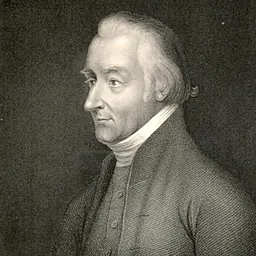
Related people
Same field, nearest in time
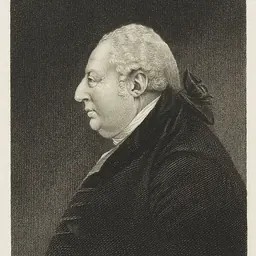

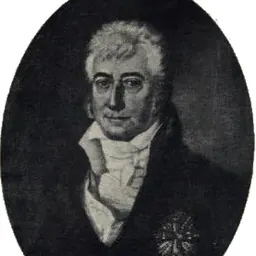


Contemporaries
People whose lives overlapped William Tuke's





Frequently asked questions
Who was William Tuke?
English businessman and philanthropist (1732-1822)
When was William Tuke born?
William Tuke was born on 24 March 1732 in York.
When did William Tuke die?
William Tuke died in 1822.
What was William Tuke's occupation?
William Tuke was a businessperson.
What nationality was William Tuke?
William Tuke was British.
Sources & further reading
Cite this page
APA: Biography.guide. (2026). William Tuke. https://biography.guide/william-tuke/
MLA: "William Tuke." Biography.guide, https://biography.guide/william-tuke/.
Chicago: "William Tuke." Biography.guide. https://biography.guide/william-tuke/.
Data last updated: 2026-09-21 · Spot an error? Report a correction.
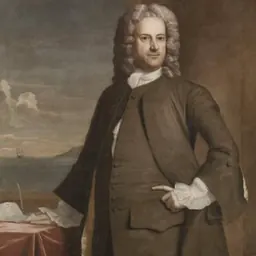
Portrait: Wikimedia Commons · author & licence
Page generated 2026-09-27 04:59 UTC