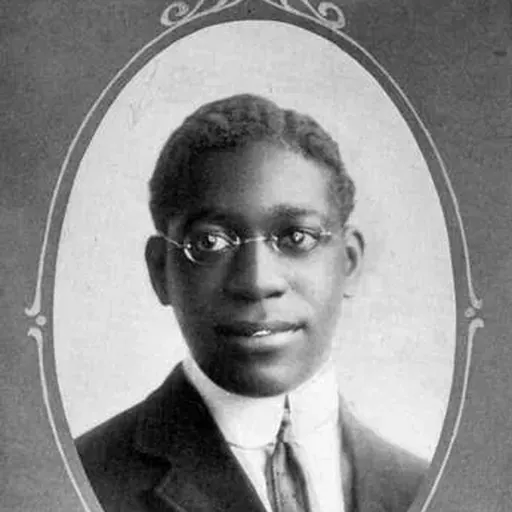
About William L. Patterson
Lived 1891 – 1980 (aged 88). William L. Patterson was an activist, lawyer and jurist.
William Lorenzo Patterson (August 27, 1891 – March 5, 1980) was an African-American leader in the Communist Party USA and head of the International Labor Defense, a group offering legal representation to communists, trade unionists, and African Americans in cases involving alleged racial or political persecution. He was perhaps best known for submitting a petition to the UN in 1951, accusing the U.S. government of complicity in genocide against black people.
Early life
William Lorenzo Patterson was born August 27, 1891, in San Francisco, California. His father, James Edward Patterson, originally hailed from the island of St. Vincent, in the British West Indies. After graduation, Patterson supported himself by working as a laborer in railroad dining cars and on boats that sailed along the Pacific coast. She was a left-wing activist with a long association with the poet Langston Hughes. On March 15, 1943, the Pattersons had their only child, MaryLouise Patterson, in Chicago, IL.
Political activism
One of Patterson's New York friends was the radical political activist Richard B. Moore, who persuaded Patterson to put his legal skills to work in defense of the Italian immigrant anarchists Sacco and Vanzetti. They had been convicted of murder in a controversial and highly politicized Massachusetts trial.
Patterson joined the Workers (Communist) Party in 1943, and became head of the International Labor Defense (ILD), a communist legal advocacy organization.
He was also active in the Civil Rights Congress, which succeeded the ILD. In 1951, he went to a United Nations meeting in Paris and presented a petition titled We Charge Genocide; it accused the U.S. federal government of complicity in genocide for failing to pass legislation or prosecute persons responsible for lynching, most of whose victims were black men. Paul Robeson submitted the same petition to the UN in New York City. After Patterson returned from Paris, the U.S. Department of State revoked his passport and barred him from further travel abroad.
In 1971, he published his autobiography, The Man Who Cried Genocide.
Death and legacy On March 5, 1980, after a prolonged illness, William Patterson died at Union Hospital in the Bronx. He was 88.
Patterson's papers, prefaced by a brief biography, are housed at Howard University.
Don’t just read it —
keep it.
Full-length biographies made to live with: read them, listen on the way to work, watch them tonight.
- E-book
- Audio
- Video
Instant download · yours to keep · every purchase keeps this site free
Important facts
People in William L. Patterson's life
Named in this biography and alive at the same time
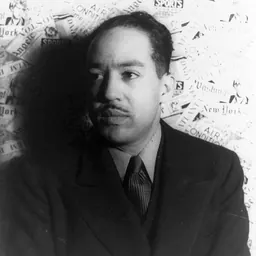
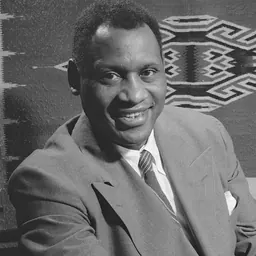

Related people
Same field, nearest in time


Contemporaries
People whose lives overlapped William L. Patterson's

Frequently asked questions
Who was William L. Patterson?
American leader in the Communist Party and head of the International Labor Defense (1891-1980)
When was William L. Patterson born?
William L. Patterson was born on 27 August 1891.
When did William L. Patterson die?
William L. Patterson died on 5 March 1980.
What was William L. Patterson's occupation?
William L. Patterson was an activist, lawyer and jurist.
Sources & further reading
· Wikipedia: William L. Patterson
· DBpedia: William L. Patterson
Cite this page
APA: Biography.guide. (2026). William L. Patterson. https://biography.guide/william-l-patterson/
MLA: "William L. Patterson." Biography.guide, https://biography.guide/william-l-patterson/.
Chicago: "William L. Patterson." Biography.guide. https://biography.guide/william-l-patterson/.
Data last updated: 2026-09-22 · Spot an error? Report a correction.
Portrait: Wikimedia Commons · author & licence
Page generated 2026-09-27 05:02 UTC