
William Forster
English preacher, Quaker elder and abolitionist
About William Forster
Lived 1784 – 1854 (aged 69). William Forster was a British abolitionist and abolitionism in the United Kingdom.
Biography Forster was born in 1784. He initially trained as a land agent with his mother's brother in Sheffield, but he then started to tour England and Scotland as a minister. He visited the Hebrides in 1812 and Ireland in 1813–14.
Doctrinal differences within the Quakers were created by the views of Elias Hicks of New York. Forster highlighted the issue in 1820. Prominent English evangelical Quakers which included Elizabeth Robson, Forster and Anna Braithwaite, decided to travel to the United States to denounce Hicks' views between 1821 and 1827.
Meanwhile, following the Reform Act, William Wilberforce was able to get anti-slavery legislation through parliament. In 1838 legislation replaced slavery with apprenticeship. As a result, in August 1838 800,000 people in the British Empire became nominally free.
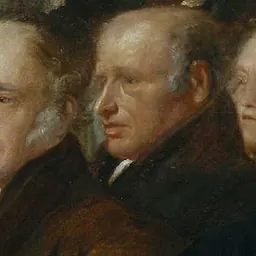
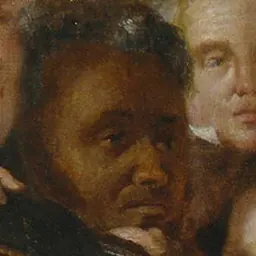
A picture was commissioned showing William Forster as a member of the new British and Foreign Anti-Slavery Society which was formed in 1839 at an important international convention in June 1840. The small extract shown here includes only Samuel Gurney—a banker and fellow Quaker—Forster, and William Allen. The group did not manage to heal the divide immediately but it was resolved by 1848.
Forster and his wife visited France in July 1845 at the invitation of the French to try to establish links with the French abolitionists. They found activity in Paris, but were disappointed to find that there was little activity in the country in general.
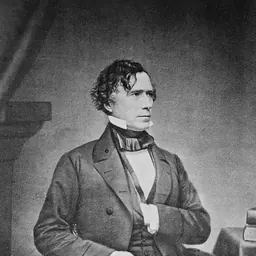
Final journey Forster's grave in 2008 behind the Friends Meeting house in Friendsville. In 1849 the yearly meeting of the Quakers requested that Forster visit the rulers of the Christian nations. Forster visited many of the European rulers to forward the abolitionists' cause, but it was in 1853 that he and three others visited the American president, Franklin Pierce, and journeyed to spread the message to the governors of the southern American states, eventually meeting thirteen of them.
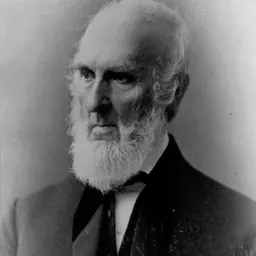
The Fireside poet, John Greenleaf Whittier, wrote a poem in William's memory; on Forster's first visit to America he had visited the home of Whittier's parents. Forster's son William Edward Forster was an MP who campaigned for universal education.
Works Memoirs of William Forster: In Two Volumes, William Forster, Benjamin Seebohn, 1865
Don’t just read it —
keep it.
Full-length biographies made to live with: read them, listen on the way to work, watch them tonight.
- E-book
- Audio
- Video
Instant download · yours to keep · every purchase keeps this site free
Important facts
Family & relationships
People in William Forster's life
Named in this biography and alive at the same time



Related people
Same field, nearest in time
Contemporaries
People whose lives overlapped William Forster's




Frequently asked questions
Who was William Forster?
English preacher, Quaker elder and abolitionist
When was William Forster born?
William Forster was born on 23 March 1784 in Tottenham.
When did William Forster die?
William Forster died on 27 January 1854 in Friendsville.
What was William Forster's occupation?
William Forster was an abolitionist and abolitionism in the United Kingdom.
What nationality was William Forster?
William Forster was British.
Sources & further reading
· DBpedia: William Forster (philanthropist)
Cite this page
APA: Biography.guide. (2026). William Forster. https://biography.guide/william-forster-abolitionist/
MLA: "William Forster." Biography.guide, https://biography.guide/william-forster-abolitionist/.
Chicago: "William Forster." Biography.guide. https://biography.guide/william-forster-abolitionist/.
Data last updated: 2026-09-22 · Spot an error? Report a correction.
Page generated 2026-09-27 05:20 UTC