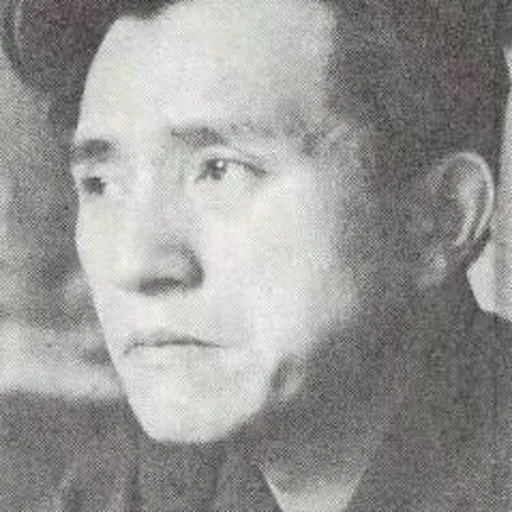
About Tsutomu Mizukami
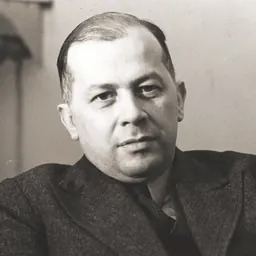
Lived 1919 – 2004 (aged 85). Tsutomu Mizukami was a Japanese novelist, writer and screenwriter.
, also known as Tsutomu Minakami, was a Japanese writer of novels, biographies, and plays. Mizukami's major works include The Temple of the Wild Geese, Kiga kaikyō and Bamboo Dolls of Echizen. His writings earned him, among other awards, the Tanizaki Prize and the Naoki Prize.
Biography Mizukami was born in Wakasa, Fukui Prefecture, to a poor family. In 1929, he became a novice in a Zen temple in Kyoto, moving between the branch temples. Disillusioned by the conduct of the temple's head priest, he left the temple in 1936, the same year in which he finished Middle School.
Mizukami entered Ritsumeikan University in 1937, but unable to keep up with his schedule while working, he withdrew already half a year later. After World War II, during which he worked in a variety of jobs, he studied under writer Kōji Uno, and in 1948 published the autobiographical novel Furaipan no uta (lit. "Song of the frying pan"). The novel was a moderate success, but the attention received fell short of Mizukami's expectations. As a result, but also due to a divorce and his daughter's illness, he did not publish again before 1959. His novels Kiri to kage (lit. "Fog and shadow", 1959) and Umi no kiba (lit. "The sea's fangs", 1960), the latter of which centered on Minamata disease, started his career as a writer of detective stories which incorporated social themes. He followed this with Kiga kaikyō (lit. "Starvation straits", 1962), Gobanchō Yūgirirō (lit. "The Yūgiri brothel at Gobanchō", 1962) and Bamboo Dolls of Echizen (1963).
Mizukami was a member of the Japan Art Academy and was honoured as a Person of Cultural Merit in 1986.
Works (selected) 1948: Furaipan no uta 1959: Kiri to kage 1959: Umi no kiba 1961: The Temple of the Wild Geese (Gan no tera) 1962: Kiga kaikyō 1962: Gobanchō Yūgirirō 1963: Bamboo Dolls of Echizen (Echizen take ningyo) 1971: Uno Kōji 1975: Ikkyū 1977: Teradomari 1979: Kinkaku enjō 1984: Ryōkan 2002: Utsutake no fue
Adaptations (selected) 1962: Temple of Wild Geese, dir. Yūzō Kawashima 1963: Bamboo Doll of Echizen, dir. Kōzaburō Yoshimura 1965: A Fugitive from the Past, dir. Tomu Uchida (based on Kiga kaikyō) 1983: Hakujasho, dir. Shunya Itō 2022: The Zen Diary, dir. Yuji Nakae
Translations
Don’t just read it —
keep it.
Full-length biographies made to live with: read them, listen on the way to work, watch them tonight.
- E-book
- Audio
- Video
Instant download · yours to keep · every purchase keeps this site free
Important facts
People in Tsutomu Mizukami's life
Named in this biography and alive at the same time




Related people
Same field, nearest in time


Contemporaries
People whose lives overlapped Tsutomu Mizukami's




Frequently asked questions
Who was Tsutomu Mizukami?
Japanese writer (1919-2004)
When was Tsutomu Mizukami born?
Tsutomu Mizukami was born on 8 March 1919 in Wakasa.
When did Tsutomu Mizukami die?
Tsutomu Mizukami died on 8 September 2004 in Tōmi-shi.
What was Tsutomu Mizukami's occupation?
Tsutomu Mizukami was a novelist, writer and screenwriter.
What nationality was Tsutomu Mizukami?
Tsutomu Mizukami was Japanese.
Sources & further reading
Cite this page
APA: Biography.guide. (2026). Tsutomu Mizukami. https://biography.guide/tsutomu-mizukami/
MLA: "Tsutomu Mizukami." Biography.guide, https://biography.guide/tsutomu-mizukami/.
Chicago: "Tsutomu Mizukami." Biography.guide. https://biography.guide/tsutomu-mizukami/.
Data last updated: 2026-09-22 · Spot an error? Report a correction.
Portrait: Wikimedia Commons · author & licence
Page generated 2026-09-27 05:03 UTC