
About Teofil Lenartowicz
Lived 1822 – 1893 (aged 70). Teofil Lenartowicz was a Russian and Polish poet, translator, writer, sculptor and ethnographer.
Teofil Aleksander Lenartowicz (27 February 1822 in Warsaw – 3 February 1893 in Florence) was a Polish ethnographer, sculptor, poet and Romantic conspirator. Linked to Bohemians among Warsaw intellectuals, Lenartowicz was associated with Oskar Kolberg and Roman Zmorski in the anti-Tsarist independence movement, and participated in the Greater Poland Uprising of 1848 during his stay in Kraków. While in exile he taught Slavic literature at the University of Bologna, composed patriotic and religious poems, as well as lyrical and historical epics based on the folklore of his beloved region of Mazowsze. He did portrait-sculptures, and designed tombstones.
Early life and family Teofil Aleksander came from the master mason family of Lenartowicz Pobóg coat of arms. He was the son of Karol and Maria née Kwasieborska Cholewa coat of arms.
While in Florence, Italy in 1861, he married painter Zofia Szymanowska, with whom he had one son. Their son John (Jan) died shortly after his birth in 1867, and was buried in Attigliano, Italy.
The best-known of his poems is "The Golden Cup" ("Złoty kubek", 1853), based on a traditional Polish Christmas carol, in which an orphaned girl asks the heavenly goldsmith to make her a golden cup from golden apples and leaves fallen from the golden . The cup is to be decorated with engravings depicting the idealized Polish countryside. Because of its symbolism of transcendent light, the poem can be interpreted in different ways, including as advice on art-making. It was favorably received by Norwid, as well as by Maria Pawlikowska-Jasnorzewska, who wrote a poem, "Lenartowicz," about the concept of his "Golden Cup".
He published two collections of poetry: Lirenka and Zachwycenie (Rapture, 1855).
Poland's eminent poet Czesław Miłosz described Lenartowicz longer poems "Zachwycenie" ("Rapture") and "Błogosławiona" ("The Blessed One"), both published in 1855, as having a "curious treatment of religious themes." The heaven encountered by a departing soul is expected to look just like a village in Poland.
Between 1888 and 1893, Lenartowicz was an honorary member of the Poznań Society of the Friends of Science, according to Bolesław Erzepki in 1896.
Death Lenartowicz died on 3 February 1893 in Florence, and his remains were brought from Italy to Poland and interred in the Crypt of the Distinguished in the St. Stanislaus Church at Skałka in Kraków.
Don’t just read it —
keep it.
Full-length biographies made to live with: read them, listen on the way to work, watch them tonight.
- E-book
- Audio
- Video
Instant download · yours to keep · every purchase keeps this site free
Important facts
People in Teofil Lenartowicz's life
Named in this biography and alive at the same time


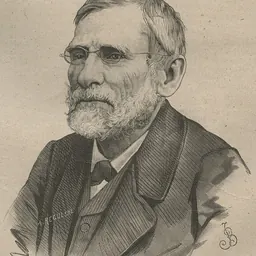
Related people
Same field, nearest in time
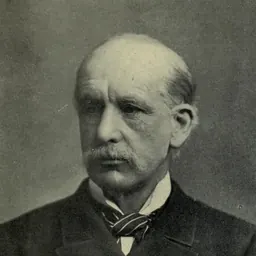
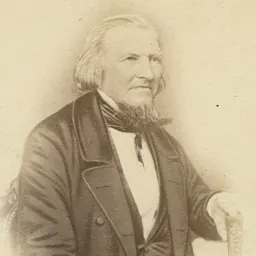

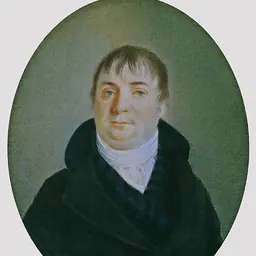
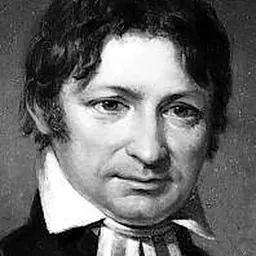
Contemporaries
People whose lives overlapped Teofil Lenartowicz's

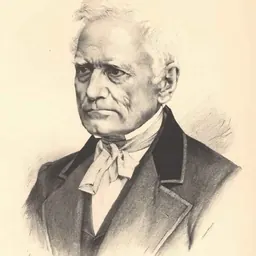
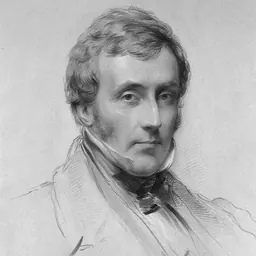

Frequently asked questions
Who was Teofil Lenartowicz?
poet and writer (1822–1893)
When was Teofil Lenartowicz born?
Teofil Lenartowicz was born on 27 February 1822 in Warsaw.
When did Teofil Lenartowicz die?
Teofil Lenartowicz died on 3 February 1893 in Florence.
What was Teofil Lenartowicz's occupation?
Teofil Lenartowicz was a poet, translator, writer, sculptor and ethnographer.
What nationality was Teofil Lenartowicz?
Teofil Lenartowicz was Russian and Polish.
Sources & further reading
· Wikipedia: Teofil Lenartowicz
Cite this page
APA: Biography.guide. (2026). Teofil Lenartowicz. https://biography.guide/teofil-lenartowicz/
MLA: "Teofil Lenartowicz." Biography.guide, https://biography.guide/teofil-lenartowicz/.
Chicago: "Teofil Lenartowicz." Biography.guide. https://biography.guide/teofil-lenartowicz/.
Data last updated: 2026-09-20 · Spot an error? Report a correction.
Page generated 2026-09-27 05:31 UTC