
Sulayman al-Baruni
Berber Ibadi scholar, poet, statesman and a prominent figure in the history of Libya
About Sulayman al-Baruni
Lived 1872 – 1940 (aged 67–68). Sulayman al-Baruni was a Libyan journalist, politician, poet, writer and theologian.
Sulayman al-Baruni (; – 1 May 1940) was a Libyan Ibadi scholar, poet, statesman and a prominent figure in the history of Libya.
Early life and studies Al-Baruni was born in the Jabal Nafusa in what was then the vilayet of Tripolitania, part of the Ottoman Empire, around 1870. He was born to an influential Berber family that belonged to the Ibadi sect of Islam. His father, Abd Allah al-Baruni, was a jurist, poet and theologian. In 1887, he started his studies at the University of Ez-Zitouna in Tunisia, where among his teachers were the reformists, and Uthman al-Makki. Al-Nakhli, a critic of colonialism and Sufism, had the great influence on the young Sulayman. In 1893, after six years of studies, he entered the Al-Azhar University, where he studied for three years. He was getting exposed to more anti-colonial movements while in his stay in Egypt. He also became familiar with Mustafa Kamil's ideas and held him in high regard. After ending his studies in the al-Azhar, he went to the M'zab valley to study under the prominent Mozabite Ibadi scholar Muhammad ibn Yusuf Atfayyash, who taught him Arabic studies, theology, and traditional Ibadi literature.
Career In Cairo he founded a newspaper and later a printing press. During the reign of Abdul Hamid II, he was arrested several times by the Ottoman authorities on the accusation that he was planning to re-establish an Ibadi imamate or emirate in the Jabal Nefusa. In the general election of 1908, following the Young Turk Revolution, al-Baruni was elected to the Chamber of Deputies as the member for the Jabal Gharbi.
Following the outbreak of the Italo-Turkish War in 1911, al-Baruni immediately began recruiting Berbers to resist the invasion. He played a leading role at the Congress of Aziziyya, a meeting of important Tripolitanian leaders, in late October 1912, following the Ottoman capitulation. He eventually sought an understanding with the Italians in the hopes of creating an autonomous Ibadi principality centred on the Jabal Nefusa and Marsa Zuaga. At minimum he hoped the Berbers would receive special privileges in the new Italian Libya. What remained of Berber resistance in Tripolitania was crushed at the Battle of Al-Asaba'a on 23 March 1913. Al-Baruni and several other leaders who had been connected with the Ottomans, went into voluntary exile in French Tunisia. Italy sent Count Carlo Sforza to Tunisia to persuade the exiles to return. Al-Baruni was the first to be convinced, suggesting to the other that they should return to Tripolitania in exchange for an agreement from Italy that they could retain the position in Tripolitanian society and that their past resistance would not be held against them. Al-Baruni seems even to have been promised Berber autonomy. The Italians also asked him to write a monograph on the Jabal Gharbi. None of these territories were under actual Ottoman control at the time, but the Ottomans were actively working to organise the war against Italy in Tripolitania. In November 1918, al-Baruni was one of four local notables elected to represent the Tripolitanian Republic that was proclaimed in the aftermath of the Ottoman surrender.
By September 1921, as a result of the Italian policy of divide and conquer, there was a civil war in Libya between the Berbers, who increasingly looked to Italy for protection, and the Arabs. Among the Berbers, al-Baruni was widely blamed for this state of affairs. He went into his final exile in November 1921. He traveled to France, Egypt, Turkey and Mecca before settling in Oman. There he was appointed finance minister. After his death, his daughter, Za'ima bint Sulayman, gathered some of his papers and published them at Tripoli in 1964 under the title Safahat khalida min al-jihad li'l-mujahid al-Libi Sulayman al-Baruni.
In popular culture
The Libyan television series, El Zaiman, starring the Moroccan actor Rabie Kati as Sulayman al-Baruni and the Libyan actor Saleh El Qarad as Bashir Saadawi, aired on Salam TV in Ramadan 2020.
Don’t just read it —
keep it.
Full-length biographies made to live with: read them, listen on the way to work, watch them tonight.
- E-book
- Audio
- Video
Instant download · yours to keep · every purchase keeps this site free
Important facts
People in Sulayman al-Baruni's life
Named in this biography and alive at the same time
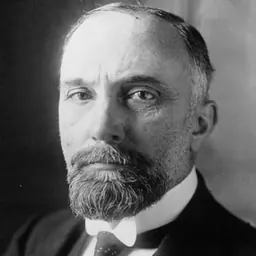

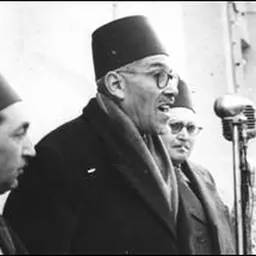
Related people
Same field, nearest in time
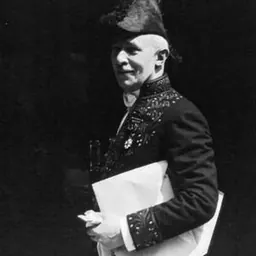
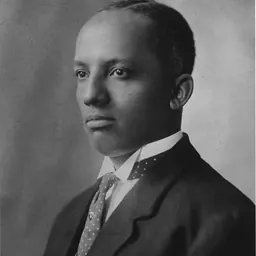
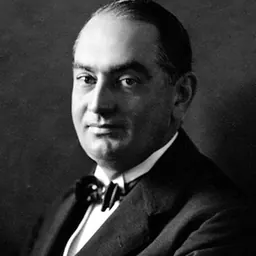

Contemporaries
People whose lives overlapped Sulayman al-Baruni's

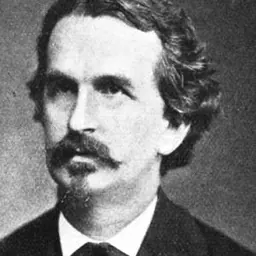
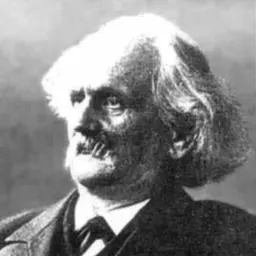

Frequently asked questions
Who was Sulayman al-Baruni?
Berber Ibadi scholar, poet, statesman and a prominent figure in the history of Libya
When was Sulayman al-Baruni born?
Sulayman al-Baruni was born in 1872 in Jadu.
When did Sulayman al-Baruni die?
Sulayman al-Baruni died in 1940 in Mumbai.
What was Sulayman al-Baruni's occupation?
Sulayman al-Baruni was a journalist, politician, poet, writer and theologian.
What nationality was Sulayman al-Baruni?
Sulayman al-Baruni was Libyan.
Sources & further reading
· Wikipedia: Sulayman al-Baruni
Cite this page
APA: Biography.guide. (2026). Sulayman al-Baruni. https://biography.guide/sulayman-al-baruni/
MLA: "Sulayman al-Baruni." Biography.guide, https://biography.guide/sulayman-al-baruni/.
Chicago: "Sulayman al-Baruni." Biography.guide. https://biography.guide/sulayman-al-baruni/.
Data last updated: 2026-09-22 · Spot an error? Report a correction.
Page generated 2026-09-27 05:24 UTC