
Stephan Endlicher
Austrian botanist, linguist and numismatist
About Stephan Endlicher
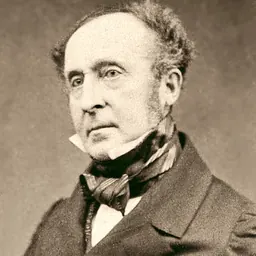
Lived 1804 – 1849 (aged 44). Stephan Endlicher was an Austrian botanist, pteridologist, bryologist, archaeologist, sinologist and numismatist.
Stephan Friedrich Ladislaus Endlicher, also known as Endlicher István László (24 June 1804 – 28 March 1849), was an Austrian botanist, numismatist and Sinologist. He was a director of the Botanical Garden of Vienna.
Biography Endlicher studied theology and received minor orders. In 1828 he was appointed to the Austrian National Library to reorganize its manuscript collection. Concurrently he studied natural history, in particular botany, and East-Asian languages.
In 1836, Endlicher was appointed keeper of the court cabinet of natural history,
In 1842, he was elected as a member of the American Philosophical Society.
As a known liberal, Endlicher was asked to act as mediator during the revolution of 1848, but eventually was forced to leave Vienna for a time. In 1848 he also became a member of the Frankfurt Parliament and the assembly at Kremsier (Kroměříž).
Works Endlicher made valuable contributions to the science of old German and classic literature, and pointed out new sources of Hungarian history, publishing Fragmenta Theotisca Versionis antiquissimae Evangelii Matthaei (edited with Hoffmann von Fallersleben, 1834), an edition of two poems of Priscian (1828), and Anonymi Belæ Regis Notarii de Gestis Hungarorum Liber (1827). His linguistic publications comprise Analecta Grammatica (with Eichenfeld, 1836), and Anfangsgründe der chinesischen Grammatik (Foundations of Chinese grammar; 1845).
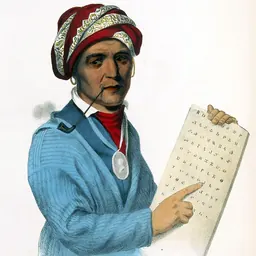
Endlicher described many new plant genera, including the genus Sequoia, and also its only extant species Sequoia sempervirens (California coast redwood). Although Endlicher never offered an explanation for the name, later writers speculated that he must have been inspired by the achievements of the American Cherokee Indian linguist Sequoyah. John Davis credited Endlicher with naming the new species of Sierra redwood Sequoyah gigantea in 1847, the present day Sequoiadendron giganteum (California giant redwood), to honor Sequoyah's invention of the Cherokee syllabary. Recent scholarship supports this hypothesis; Endlicher appears to have combined the Latin sequi (meaning to follow) with his admiration of Sequoyah and coined "Sequoia" because the number of seeds per cone in the newly classified genus fell in mathematical sequence with the other four genera in the suborder.
Endlicher System
Endlicher's system for plant classification is laid out as follows in his Genera Plantarum, with a hierarchy of Regio, Sectio, Cohors, Classis, Ordo, with further subdivisions (and finally Genus), using a sequential numbering system, as shown for some taxa;
Outline Thallophyta Protophyta Hysterophyta Cormophyta Acrobrya Amphibrya Acramphibrya
Conspectus Regio I. THALLOPHYTA Sectio I. Protophyta Classis I. Algae Ordo I. Diatomaceae I. Diatomeae a. Frustulieae (Gen. 1–12) b. Hydrolineae (Gen. 13–18) II. Dermidieae a. Micrasterieae (Gen. 19–21) b. Echinelleae (Gen. 22–24) Ordo II. Nostochinae Ordo III. Confervaceae Ordo IV. Characeae Ordo V. Ulvaceae Ordo VI. Floridae Ordo VII. Fucaceae Classis II. Lichenes Sectio II. Hysterophyta Classis III. Fungi Regio II. CORMOPHYTA Sectio III. Acrobrya Cohors I. Anophyta Classis IV. Hepitacea Classis V. Musci Cohors II. Protophyta Classis VI. Equiseta Classis VII. Filices Classis VIII. Hydropterides Classis IX. Selagines Classis X. Zamiae Cohors II. Hysterophyta Classis XI. Rhizanthaea Sectio IV. Amphibrya Classis 12. Glumaceae Classis 13. Enantioblastae Classis 14. Helobiae Classis 15. Coronariae Ordo 51. Juncaceae Ordo 52. Philydreae Ordo 53. Melanthaceae Ordo 54. Pontederaceae Ordo 55. Liliaceae Ordo 56. Smilaceae Ordo 57. Dioscoreae Ordo 58. Taccaceae Classis 16. Artorhizae Classis 17. Ensatae Classis 18. Gynandrae Classis 19. Scitamineae Classis 20. Fluviales Classis 21. Spadiciflorae Classis 22. Principes. Sectio IV. Acramphibrya Cohors I. Gymnosperma Classis 23. Coniferae Cohors II. Apetalae Classis 24. Piperitae Aquaticae Juliflorae Oleraceae Thymeleae Classis 29. Serpentariae Cohors III. Gamopetala Plumbagines Classis 32. Campanulinae Contortae Tubiflorae Classis 31. Aggregatae Caprifolia Kuculiferae Personatae Petalantheae Classis 39. Bicornes Cohors IV. Dialypetala Classis 40. Discanthae Classis 41. Corniculatae Polycarpicae Rhoeades Nelumbea Parietales Peponiferae Opuntiae Caryophyllinae Classis 49. Columniferae Guttiferae Hesperides Acera Classis 54. Polygalinae Frangulaceae Tricoccae Terebinthinae Gruinales Classis 59. Calycifiorae Myrtiflorae Rosiflorae Classis 62. Leguminosae
Important works Flora Brasiliensis Genera Plantarum Secundum Ordines Naturales Disposita (1836–50) Synopsis Coniferarum (1847); often shortened as "Syn. Conif." Die Medicinal-Pflanzen der österreichischen Pharmakopöe: ein Handbuch für Ärzte und Apotheker. Gerold, Wien 1842 Enumeratio plantarum quas in Novae Hollandiae ora austro-occidentali ad fluvium Cygnorum et in sinu Regis Georgii collegit Carolus Liber Baro de Hügel Prodromus Florae Norfolkicae (Flora of Norfolk Island), available online at Project Gutenberg ebooks Stirplum Australisicum
Tribute The genus Endlicheria of the family Lauraceae and the genus Endlichera of the family Rubiaceae (now synonym of Emmeorhiza) were named in his honour. Both plant genera occur in Tropical America.
The African fish Polypterus endlicherii Heckel, 1847 was named in honor of Endlicher, who apparently discovered the species in the fish collection at the Naturhistorisches Museum (Vienna).
Don’t just read it —
keep it.
Full-length biographies made to live with: read them, listen on the way to work, watch them tonight.
- E-book
- Audio
- Video
Instant download · yours to keep · every purchase keeps this site free
Important facts
People in Stephan Endlicher's life
Named in this biography and alive at the same time
Related people
Same field, nearest in time



Contemporaries
People whose lives overlapped Stephan Endlicher's






Frequently asked questions
Who was Stephan Endlicher?
Austrian botanist, linguist and numismatist (1804–1849)
When was Stephan Endlicher born?
Stephan Endlicher was born on 24 June 1804 in Bratislava.
When did Stephan Endlicher die?
Stephan Endlicher died on 28 March 1849 in Vienna.
What was Stephan Endlicher's occupation?
Stephan Endlicher was a botanist, pteridologist, bryologist, archaeologist, sinologist and numismatist.
What nationality was Stephan Endlicher?
Stephan Endlicher was Austrian.
Sources & further reading
· Wikipedia: Stephan Endlicher
Cite this page
APA: Biography.guide. (2026). Stephan Endlicher. https://biography.guide/stephan-endlicher/
MLA: "Stephan Endlicher." Biography.guide, https://biography.guide/stephan-endlicher/.
Chicago: "Stephan Endlicher." Biography.guide. https://biography.guide/stephan-endlicher/.
Data last updated: 2026-09-20 · Spot an error? Report a correction.
Page generated 2026-09-27 05:29 UTC